First spacecraft to enter the atmosphere of a gas giant
United States of America
Space Exploration
Planetary Science
Astrophysics
3 min read
Updated By: History Editorial Network (HEN)
Published:
Updated:
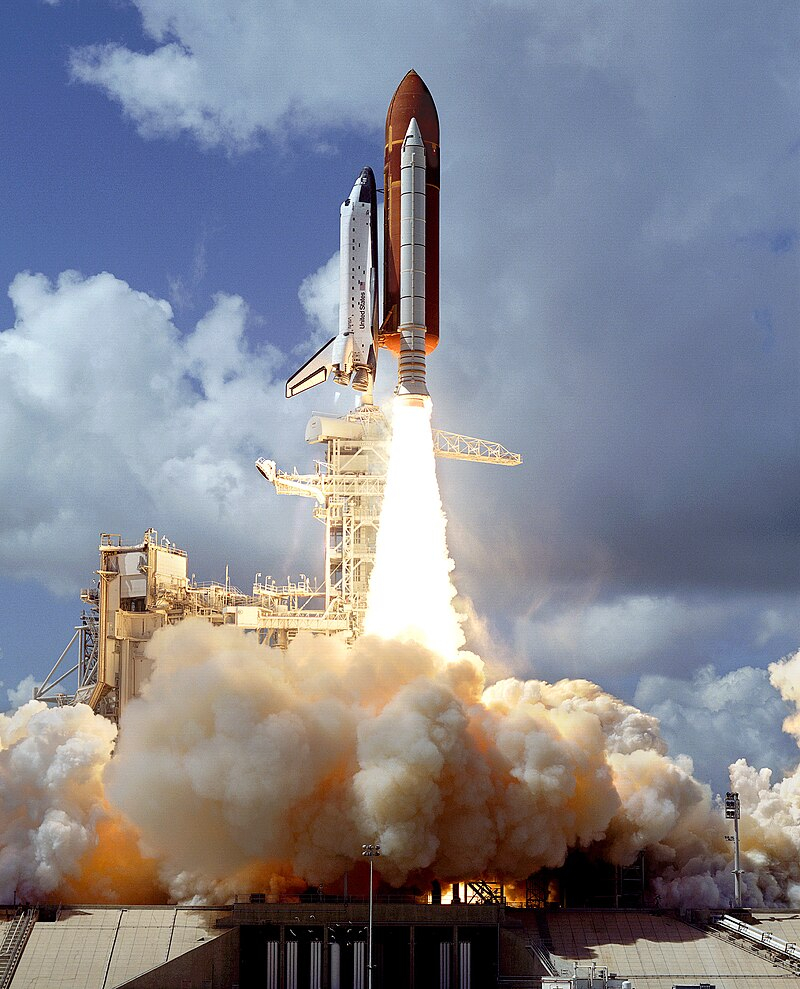
The Galileo spacecraft, launched by NASA, marked a pivotal advancement in space exploration by becoming the first spacecraft to enter the atmosphere of a gas giant, specifically Jupiter. This mission was designed to study the planet's composition, atmosphere, and magnetic field, providing invaluable data about the largest planet in our solar system. The atmospheric entry probe was a critical component of the Galileo mission, which aimed to enhance our understanding of gas giants and their formation. The probe descended through Jupiter's thick atmosphere, transmitting data back to the orbiter before succumbing to the extreme conditions of the planet's atmosphere. This event not only demonstrated the capabilities of modern engineering and technology but also opened new avenues for research into the characteristics of gas giants, which are fundamentally different from terrestrial planets. The data collected from this mission has contributed to our knowledge of atmospheric dynamics, weather patterns, and the potential for understanding other gas giants beyond our solar system.
#mooflife
#MomentOfLife
#Galileo
#Jupiter
#GasGiant
#SpaceExploration
#Nasa
Primary Reference
Galileo (spacecraft)

Explore the Life Moments of
 AI Twin