First automatic sample return from the Moon
Mare Fecunditatis, Moon; Kazakhstan (landing)
Space Exploration
Lunar Missions
Soviet Space Program
3 min read
Updated By: History Editorial Network (HEN)
Published:
Updated:
In September 1970, the Soviet Union’s Luna 16 mission became the first robotic spacecraft to collect samples from the Moon and return them safely to Earth. Launched on 12/09/1970, the mission demonstrated that automated systems could perform complex tasks such as landing, drilling, and returning material from another celestial body without human presence.
Luna 16 successfully landed on the Moon on 20/09/1970 in the Mare Fecunditatis, also known as the Sea of Fertility. Shortly after touchdown, the spacecraft deployed an automatic drilling mechanism that penetrated approximately 35 centimeters into the lunar surface. Within about an hour, it collected 101 grams of lunar soil and stored the sample in a sealed return capsule.
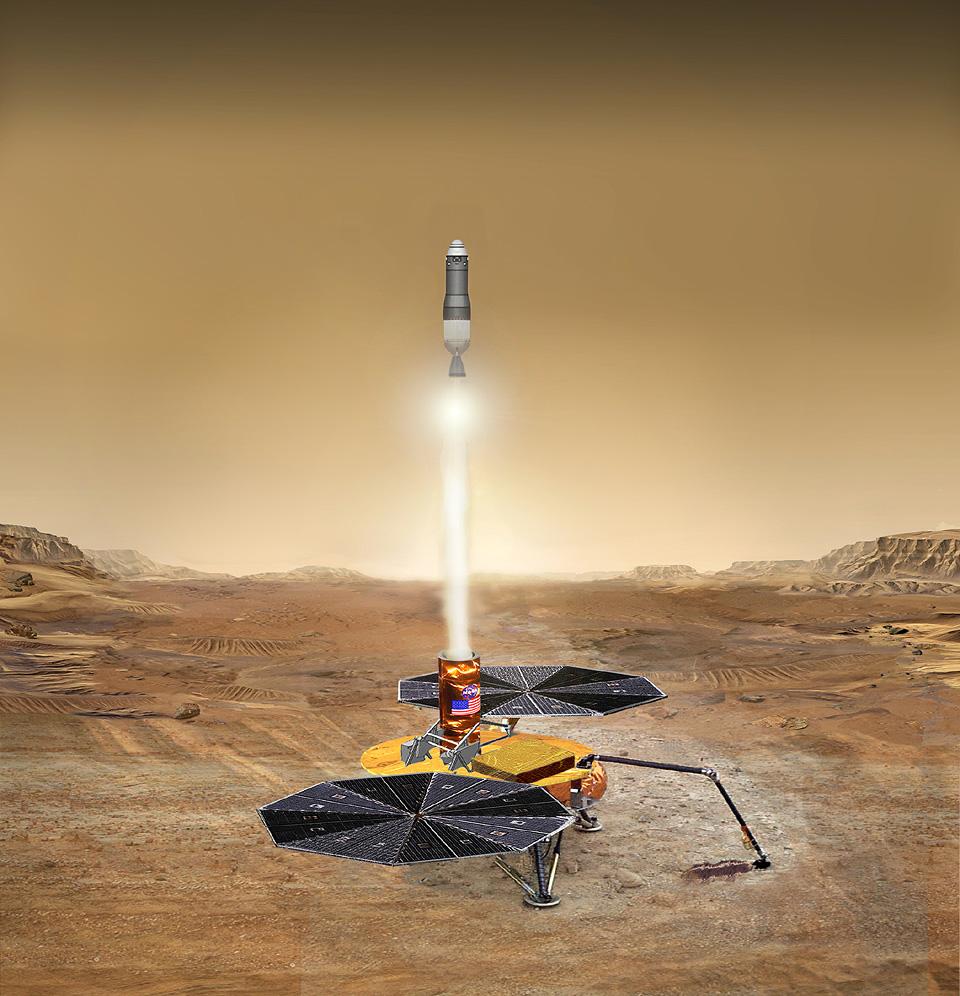
On 21/09/1970, the ascent stage of Luna 16 launched from the Moon’s surface, carrying the collected material back toward Earth. The return capsule reentered Earth’s atmosphere and landed safely in Kazakhstan on 24/09/1970. The recovered samples were then analyzed, providing direct information about the composition of the Moon’s surface.
The Luna 16 mission marked the first successful automated sample return from another celestial body. It demonstrated the feasibility of robotic exploration and sample retrieval, influencing future missions that relied on similar techniques, including later lunar and planetary sample return missions.
#mooflife
#MomentOfLife
#Luna16
#AutomaticSampleReturn
#MoonExploration
#UssrSpaceMissions
#LunarSoilSamples
Primary Reference
Luna 16

Explore the Life Moments of
 AI Twin