Park Chung-hee's Rise to Power Through Military Coup
South Korea
Political
Economic Downturn
4 min read
Updated By: History Editorial Network (HEN)
Published:
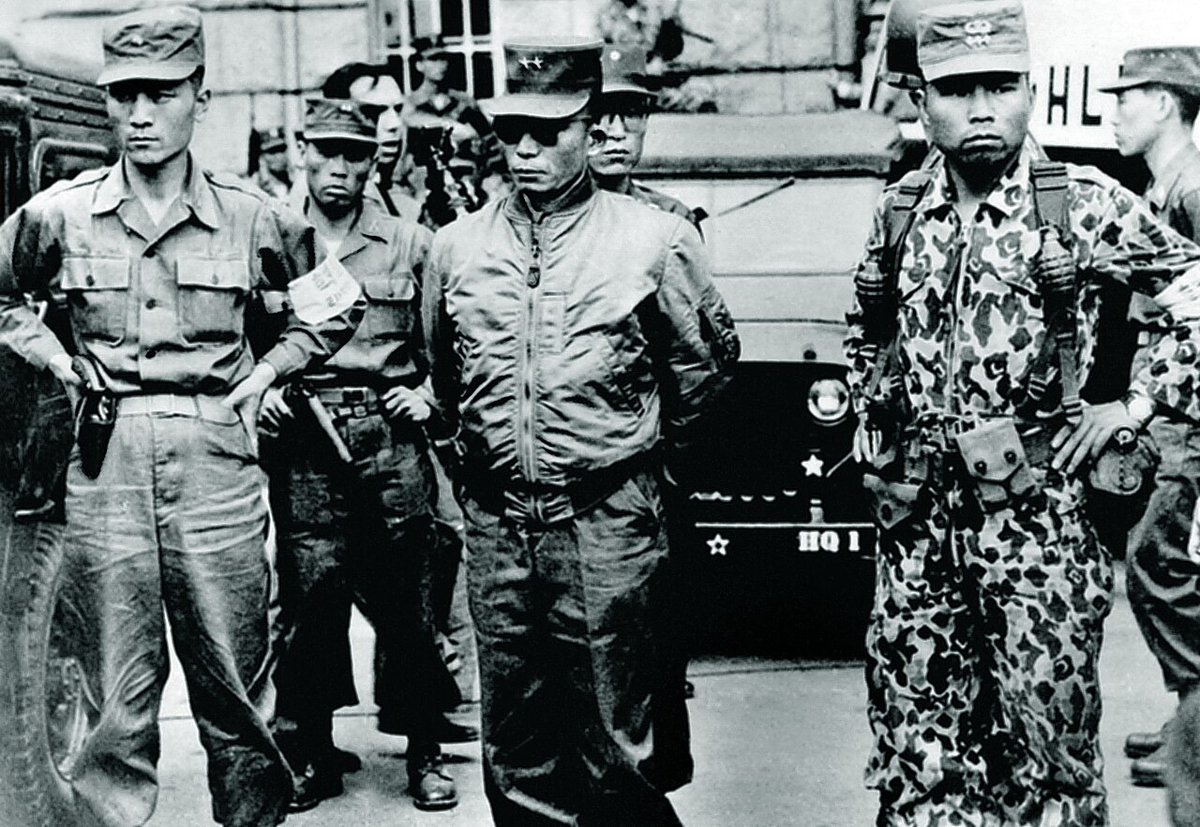
Park Chung-hee, a military general, seized power through a successful coup. The political landscape in South Korea at that time was marked by instability and corruption, with the government struggling to address economic challenges. Park, motivated by a desire to bring stability and prosperity to the nation, justified his actions as a necessary step to restore order.
Following the coup, Park established a military regime, dissolving the existing government and suspending the constitution. Despite facing criticism and opposition, he implemented various reforms aimed at modernizing the nation's economy and infrastructure. His policies focused on promoting industrialization, which contributed to South Korea's economic growth in the subsequent years.
Park's presidency was marked by both accomplishments and controversies. While he brought about significant economic development and improved living standards for many South Koreans, his authoritarian rule was also characterized by human rights abuses and political repression. His administration implemented strict censorship laws and cracked down on dissent, leading to a polarized society.
The military coup that brought Park Chung-hee to power had a lasting impact on South Korea's political trajectory. It set the stage for his long and tumultuous presidency, which lasted until his assassination in 1979. The legacy of his rule continues to be a topic of debate in South Korea, with some praising his contributions to the country's development, while others condemn his authoritarian methods.
#MilitaryCoup #ParkChungHee #Authoritarianism #EconomicDevelopment

Explore the Life Moments of
 AI Twin