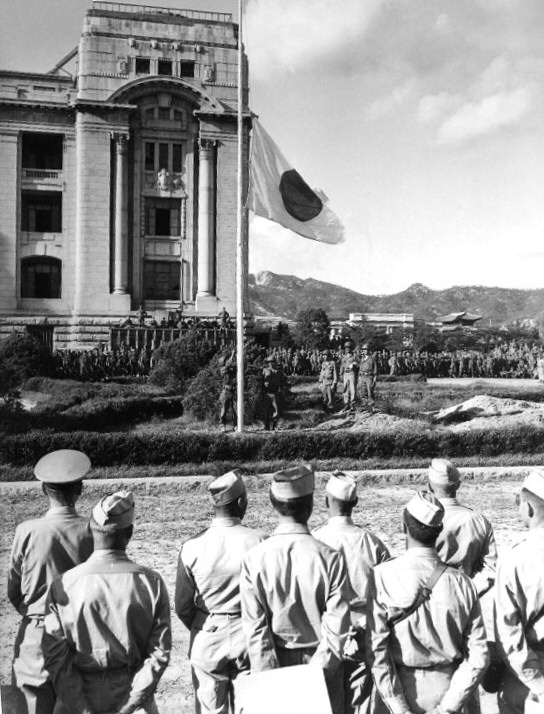
Korean Peninsula Division after World War II
South Korea
Political
International Relations
3 min read
Updated By: History Editorial Network (HEN)
Published:
Following the end of World War II, the Japanese occupation of Korea came to an end with the country divided along the 38th parallel into two zones, administered by the Soviet Union to the north and the United States to the south. The division was an agreement made between the Allied powers as a temporary measure to oversee the surrender of Japanese forces.
The Soviet troops established control over the area north of the 38th parallel, while the US troops took charge of the southern part. This division marked the beginning of separate governments in the two areas, leading to the establishment of the communist Democratic People's Republic of Korea in the north, and the capitalist Republic of Korea in the south.
The impact of this division was profound and long-lasting, as it laid the foundation for the Korean War that would erupt in the years to come. The ideological differences between the two Koreas, compounded by external influences from the Soviet Union and the United States, fueled tensions that eventually led to open conflict.
The aftermath of the Korean War further solidified the divide between North and South Korea, with the Korean Demilitarized Zone serving as a physical reminder of the ongoing division on the Korean Peninsula. The legacy of the post-World War II occupation continues to shape relations between the two Koreas and the international community to this day.
#KoreanDivision #KoreanWar #SovietOccupation #USOccupation
Explore the Life Moments of
 AI Twin