Korea's Liberation from Japanese Rule
South Korea
Political
4 min read
Updated By: History Editorial Network (HEN)
Published:
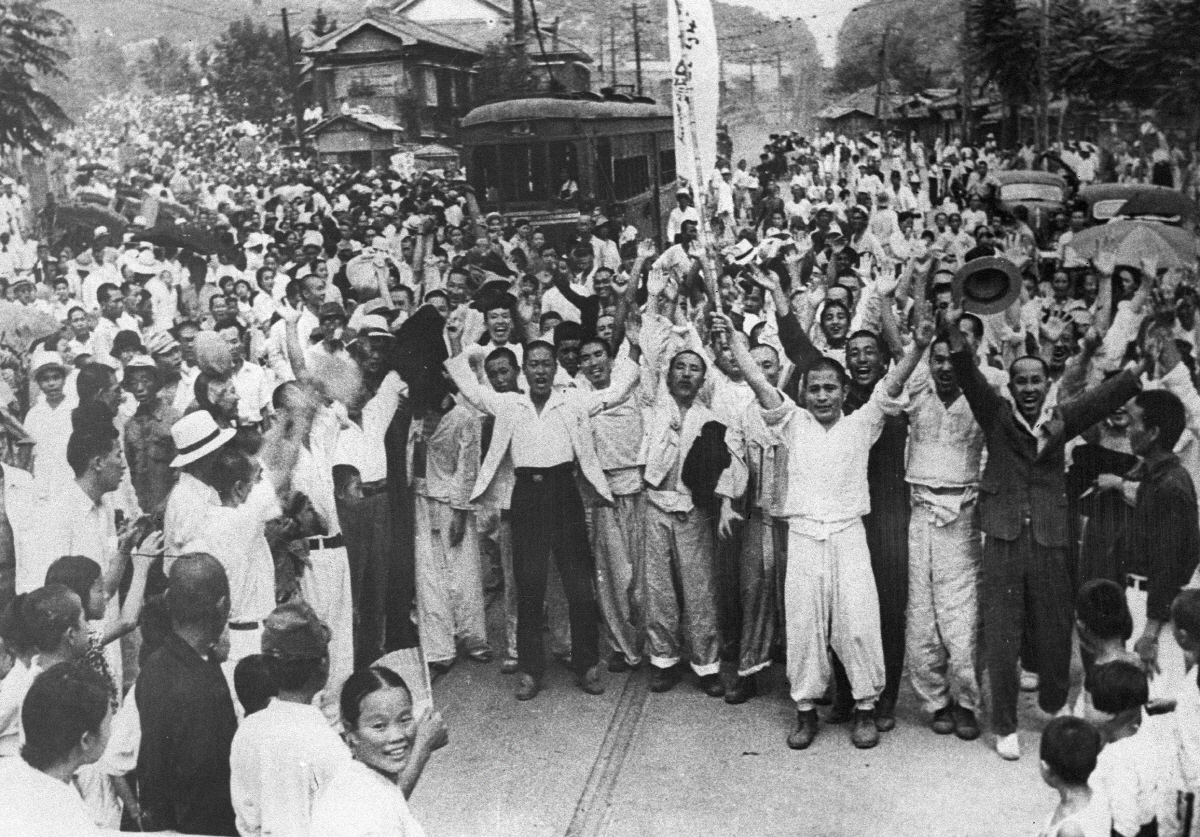
During World War II, Korea was under Japanese rule for over three decades, enduring suppression of its culture and language. However, with the end of the war in sight, the tide began to turn. As Japan's defeat became imminent, Korean resistance movements gained strength. On the day Japan announced its surrender, the fate of Korea was about to change.
Liberation from Japanese rule brought immense joy and relief to the Korean people. The end of colonial oppression meant freedom to reclaim their heritage, language, and identity. The liberation marked the beginning of a new era for Korea, where it could finally chart its own course and rebuild as an independent nation. The years of struggle and sacrifice had led to this triumph, restoring pride and hope to the Korean population.
The impact of the liberation reached far beyond just political independence. It paved the way for economic development, social progress, and cultural revival in South Korea. The newfound freedom spurred advancements in various fields, propelling the country towards a brighter future. The legacy of the liberation continues to inspire generations of Koreans, reminding them of the resilience and determination that brought them freedom.
In conclusion, the liberation of Korea from Japanese rule was a watershed moment in the nation's history. It marked the end of a dark chapter and the beginning of a hopeful new era, where Korea could finally determine its own destiny. The sacrifices of the past were not in vain, as they paved the way for a brighter future for generations to come. #KoreanIndependence #EndOfColonialRule #ResilienceAndHope
Explore the Life Moments of
 AI Twin