Rise of the Goryeo Dynasty
South Korea

Culture and Tradition
4 min read
Updated By: History Editorial Network (HEN)
Published:
Following the decline of the Later Three Kingdoms in the Korean Peninsula, Wang Geon, a military leader, seized control and established the Goryeo Dynasty in Korea. This marked the beginning of a new era in Korean history that would last for over four centuries.
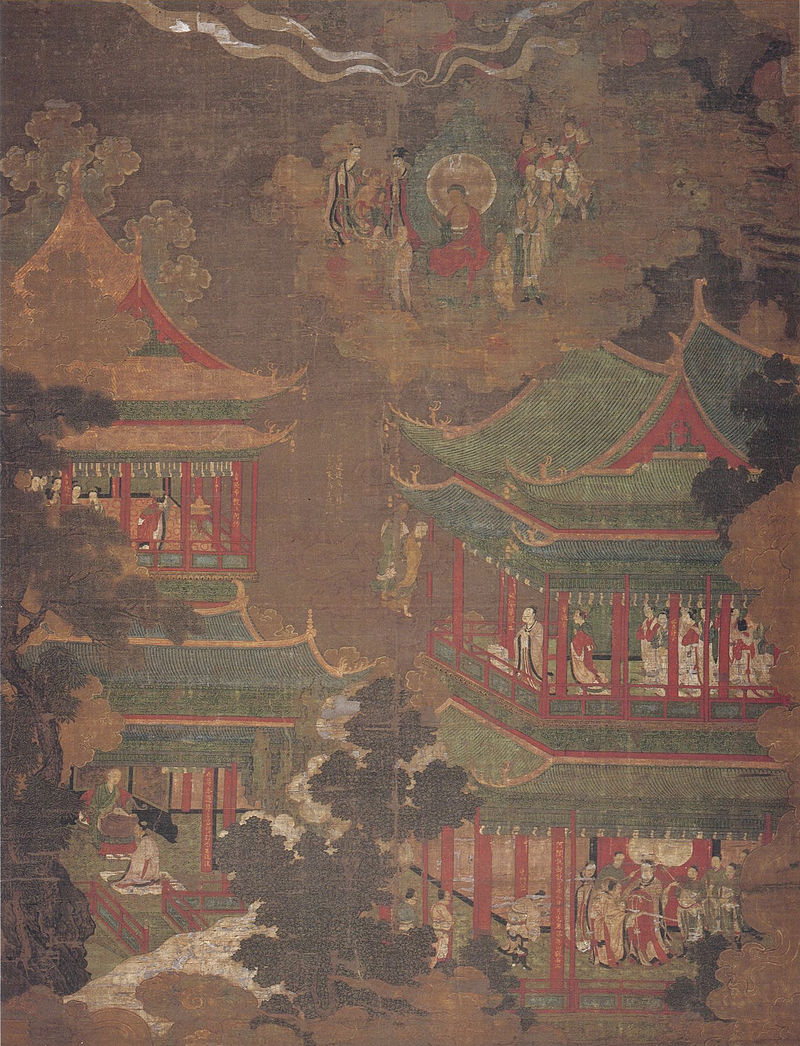
The Goryeo Dynasty was characterized by significant advancements in culture, technology, and governance. Confucianism became the dominant ideology, shaping societal norms and political structures. The invention of the metal movable type printing press revolutionized the dissemination of knowledge, contributing to a flourishing literary culture. Additionally, the Goryeo Dynasty saw the introduction of Buddhism as a state religion, leading to the construction of numerous temples and pagodas that still stand today.
Under the rule of the Goryeo Dynasty, Korea experienced stability and prosperity, establishing trade networks with neighboring countries and promoting artistic and intellectual achievements. The capital city, Kaesong, became a center of commerce and culture, attracting scholars, artists, and traders from far and wide.
The Goryeo Dynasty also faced challenges, including invasions from Mongol forces in the 13th century that led to the dynasty becoming a vassal state of the Mongol Empire. Despite this, the Goryeo Dynasty managed to maintain a degree of autonomy and preserve its unique cultural identity.
The establishment of the Goryeo Dynasty laid the foundation for modern-day South Korea, influencing its language, customs, and traditions. The legacy of the Goryeo Dynasty continues to resonate in present-day South Korean society, serving as a source of pride and inspiration for many.
#GoryeoDynasty #KoreanHistory #CultureandTradition #KaesonCapital #Innovation

Explore the Life Moments of
 AI Twin