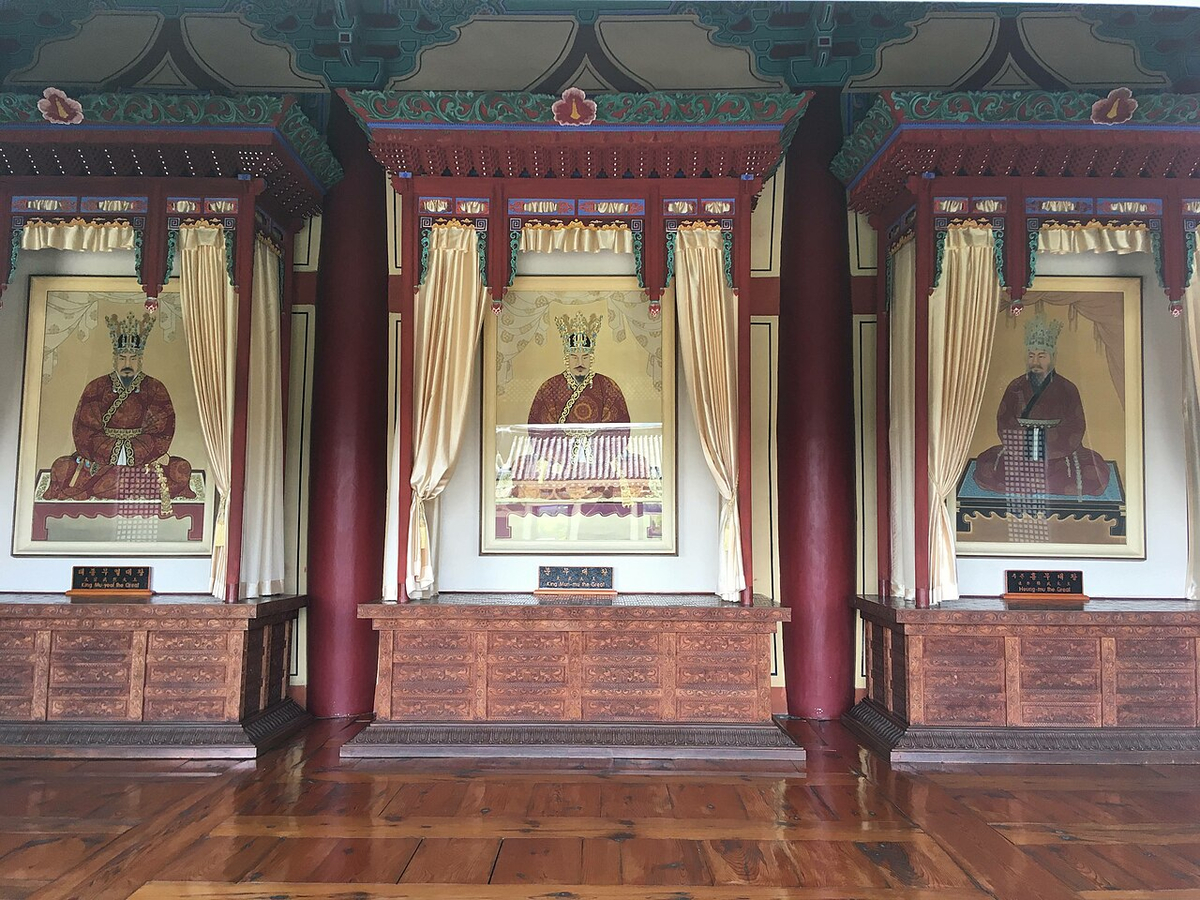
Unified Silla Kingdom: King Muyeol's Rule
South Korea
Cultural
4 min read
Updated By: History Editorial Network (HEN)
Published:
In 668, King Muyeol strategically unified the Three Kingdoms of Korea, prevailing over internal conflicts and external invasions. The emergence of the Unified Silla Kingdom marked a turning point in Korean history, fostering political stability, cultural prosperity, and societal advancement.
Before King Muyeol's reign, the Korean Peninsula was divided among the Silla, Baekje, and Goguryeo kingdoms. Constant power struggles and incursions by neighboring states hindered progress and development. King Muyeol ascended the throne of Silla, initiating a series of military campaigns to consolidate his rule. Through diplomatic alliances and military prowess, he gradually subdued neighboring kingdoms, culminating in the formation of the Unified Silla Kingdom.
The establishment of the Unified Silla Kingdom brought about a period of unprecedented unity and prosperity. Centralized governance under King Muyeol's leadership laid the foundation for a bureaucratic system, promoting economic growth and cultural exchange. The kingdom flourished as a hub of trade and commerce, attracting merchants and travelers from distant lands. Buddhist teachings, art, and architecture flourished, shaping a distinctive Korean identity.
King Muyeol's legacy endured beyond his reign, as successive rulers upheld his vision of a unified Korean nation. The Unified Silla Kingdom witnessed a golden age of scholarship, art, and literature, leaving a lasting impact on Korean culture and heritage. The unification of the Three Kingdoms not only secured territorial integrity but also fostered a sense of national identity among the Korean people.
The establishment of the Unified Silla Kingdom under King Muyeol exemplifies a pivotal moment in Korean history, symbolizing unity, progress, and cultural flourishing. #UnifiedSillaKingdom #KingMuyeol #KoreanHistory #CulturalProsperity

Explore the Life Moments of
 AI Twin