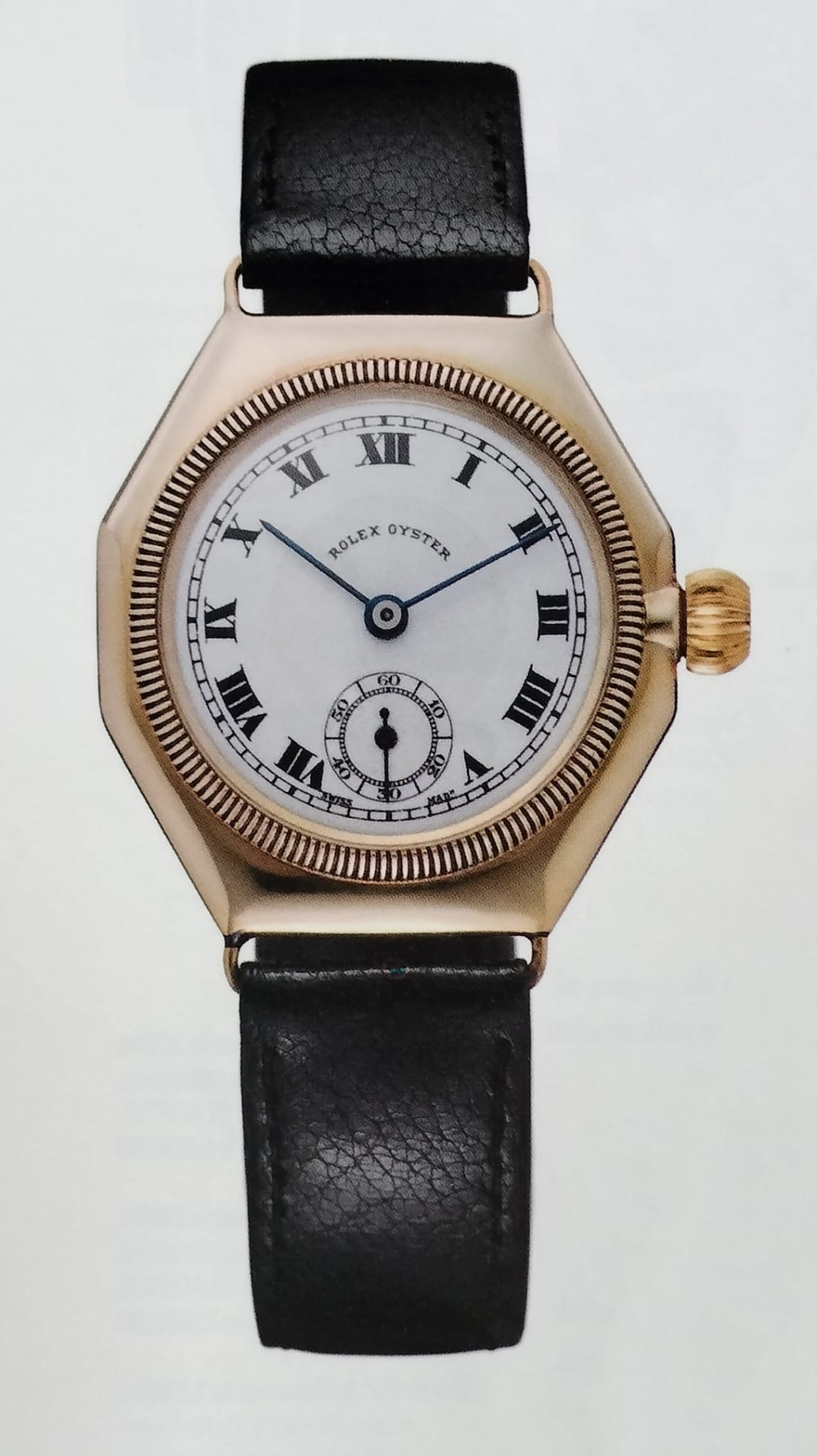
Introduction of the Rolex Oyster
United KIngdom
Watchmaking
Luxury Goods
Innovation
3 min read
Updated By: History Editorial Network (HEN)
Published:
Updated:
Rolex introduced the Oyster, recognized as the world's first waterproof wristwatch, in 1926. This innovation featured a hermetically sealed case that effectively protected the internal movement from dust and water, marking a pivotal advancement in watchmaking. The Oyster case was designed with a screw-down crown, which was a significant improvement over previous designs. Although there were earlier waterproof cases, Rolex's combination of the screw-down crown with a threaded case back and bezel set a new standard for reliability and durability in wristwatches. This design not only enhanced the functionality of watches but also appealed to consumers seeking robust timepieces suitable for various environments.
The impact of the Rolex Oyster extended beyond its immediate functionality. It established Rolex as a leader in the luxury watch market and set a benchmark for other manufacturers. The introduction of the Oyster case led to a series of innovations in watch design and technology, influencing the development of future waterproof watches. The Oyster's success was further solidified by its association with various high-profile endorsements and explorations, showcasing its reliability in extreme conditions. As a result, the Rolex Oyster became synonymous with quality and precision, contributing to the brand's reputation and legacy in the horological world.
#mooflife
#MomentOfLife
#Rolex
#Oyster
#WaterproofWatch
#WatchmakingInnovation
#LuxuryWatches
Primary Reference
Rolex History: Everything You Need to Know About Rolex Watches

Explore the Life Moments of
 AI Twin