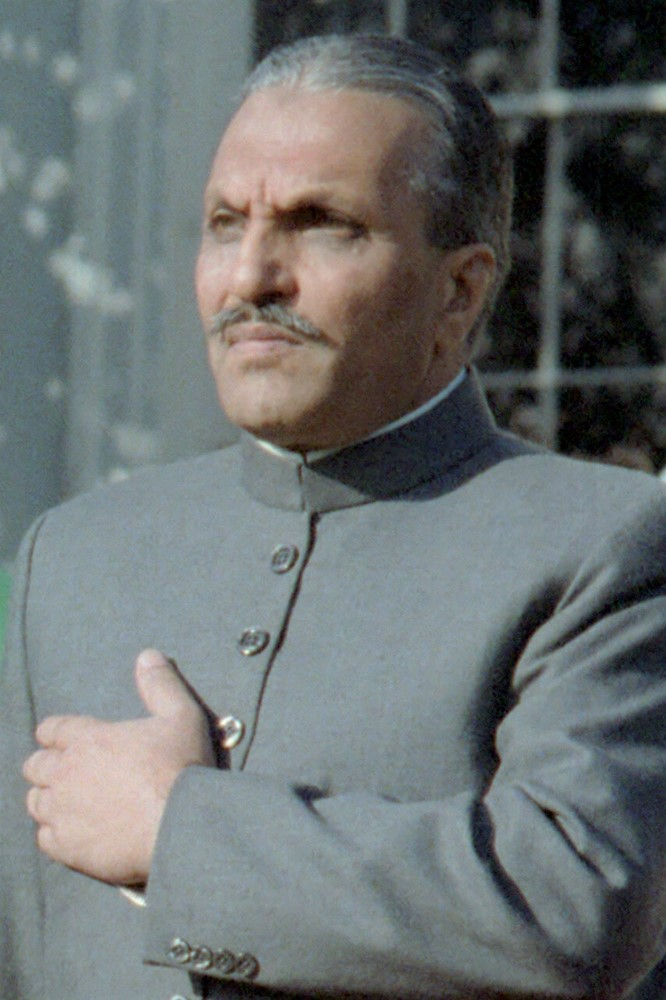
General Zia-ul-Haq ousts Prime Minister Zulfikar Ali Bhutto in military coup.
Pakistan
Political
3 min read
Updated By: History Editorial Network (HEN)
Published:
General Zia-ul-Haq executed a military coup, toppling Prime Minister Zulfikar Ali Bhutto. The coup was a result of rising political tensions and allegations of electoral fraud during the previous elections. General Zia-ul-Haq claimed that the military intervention was necessary to restore order and uphold the constitution.
Following the coup, Prime Minister Bhutto was arrested and later charged with conspiracy to commit murder, leading to a highly controversial trial. Despite international calls for clemency, Bhutto was ultimately sentenced to death and executed, which sparked both domestic and international outrage.
General Zia-ul-Haq, who took over as the Chief Martial Law Administrator, promised to hold new elections and return power to civilian authorities. However, his regime soon became known for its strict martial law, censorship of the media, and suppression of political opposition.
The military coup by General Zia-ul-Haq and the subsequent ousting of Prime Minister Zulfikar Ali Bhutto had a lasting impact on Pakistan's political landscape. It marked the beginning of a prolonged period of military rule and set a precedent for future military interventions in the country's governance. The legacy of this event continues to shape Pakistan's democracy and its relationship with the military.
#Pakistan #MilitaryCoup #ZiaulHaq #Bhutto #PoliticalTurbulence

Explore the Life Moments of
 AI Twin