Tughlaq Dynasty's Impact on the Indian Subcontinent
Pakistan
CulturalLegacy
4 min read
Updated By: History Editorial Network (HEN)
Published:
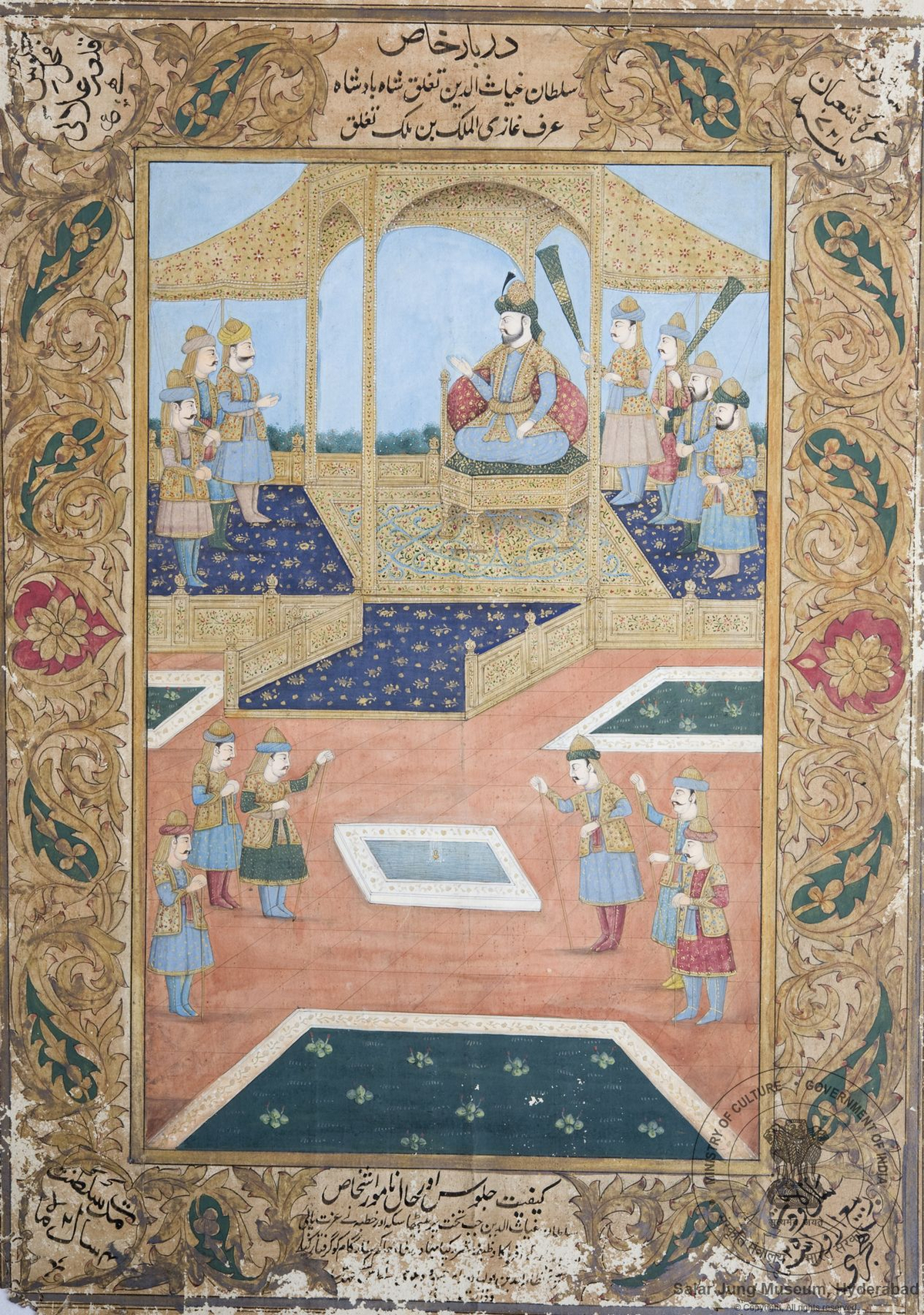
In the 14th century, the Tughlaq dynasty emerged in the Indian subcontinent, bringing significant changes to the region, including present-day Pakistan. Founded by Ghazi Malik, who later assumed the title of Ghiyath al-Din Tughlaq, the dynasty's establishment marked a shift in power from the declining Delhi Sultanate.
With its capital in Delhi, the Tughlaq dynasty expanded its influence over a vast territory, encompassing parts of modern-day Pakistan. Ghiyath al-Din Tughlaq and his successors implemented several administrative reforms, including the introduction of a token currency system and the establishment of new towns. These reforms aimed to centralize authority and improve governance across the Sultanate.
The Tughlaqs also made significant cultural contributions, blending Persian, Turkish, and Indian influences in architecture and literature. Firoz Shah Tughlaq, one of the notable rulers of the dynasty, constructed numerous public buildings, irrigation systems, and mosques, leaving a lasting architectural legacy in the region.
Despite their achievements, the Tughlaqs faced challenges, including revolts, invasions, and administrative issues that eventually weakened their hold on power. The dynasty began to decline in the late 14th century, paving the way for the rise of new powers in the Indian subcontinent.
The establishment of the Tughlaq dynasty had a lasting impact on the history and culture of the Indian subcontinent, shaping the political landscape of the region for years to come. The legacy of the Tughlaqs continues to be reflected in the architectural marvels they left behind, serving as a reminder of their influence on the heritage of present-day Pakistan.
#TughlaqDynasty #IndianSubcontinent #PakistanHistory #DelhiSultanate #CulturalLegacy
Primary Reference
Delhi Sultanate - Wikipedia

Explore the Life Moments of
 AI Twin