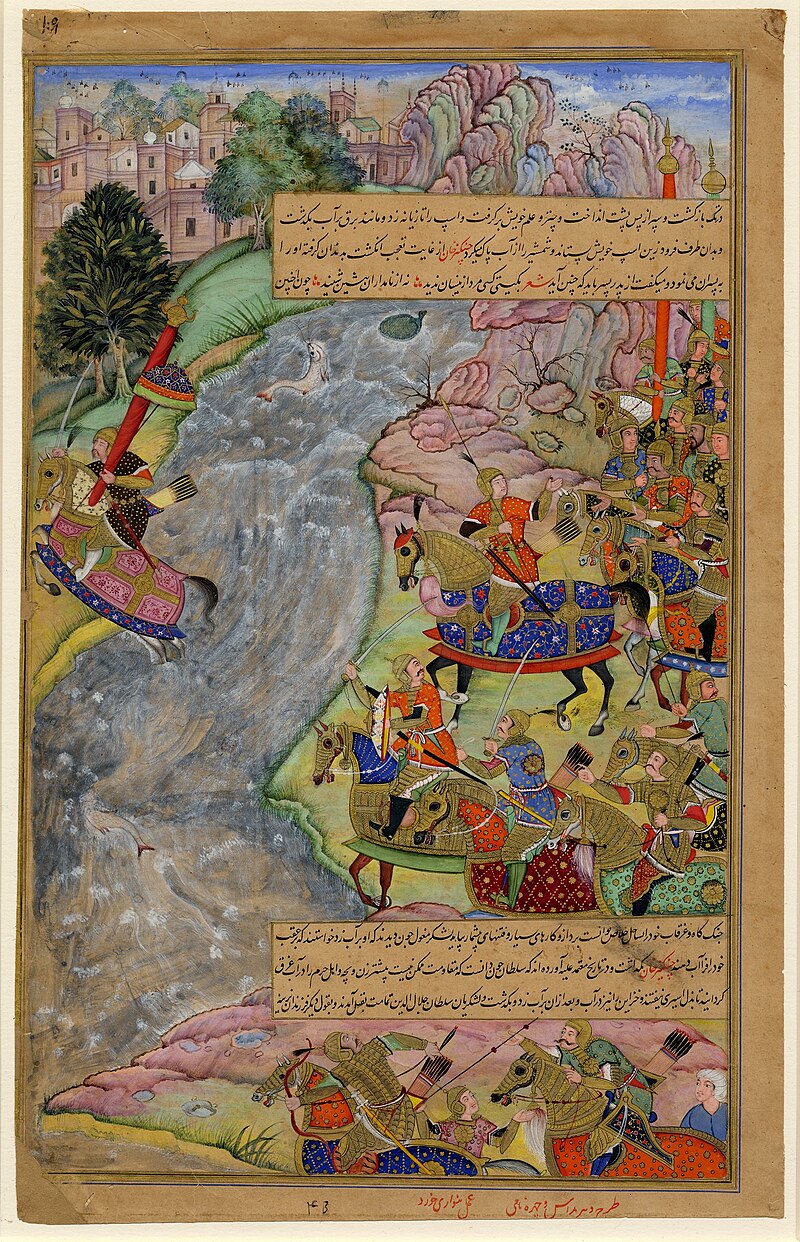
Mongol Invasions in Indian Subcontinent: History and Impact
Pakistan

Warfare
4 min read
Updated By: History Editorial Network (HEN)
Published:
In the early 13th century, the Mongol Empire, led by Genghis Khan, embarked on a series of invasions into the Indian subcontinent. The Mongols were known for their fierce military tactics and ability to conquer vast territories. Their invasion into the Indian subcontinent aimed to expand their empire and secure valuable resources.
The Mongol invasions had a profound impact on the region. They brought widespread destruction, looting, and massacres as they swept through cities and towns. The once thriving civilizations of the Indian subcontinent were left in ruins in the wake of the Mongol conquests. The invaders instilled fear and chaos among the local populace as they imposed their rule.
One of the most notable events of the Mongol invasions was the sack of the wealthy city of Lahore, located in present-day Pakistan. The Mongols devastated the city, plundering its riches and causing immense suffering to its inhabitants. The invasion of Lahore served as a stark reminder of the brutal force of the Mongol Empire.
Despite their military might, the Mongols faced challenges in governing the diverse and vast territories they had conquered in the Indian subcontinent. Revolts and uprisings by the local populations, coupled with logistical difficulties, eventually led to the decline of Mongol rule in the region.
The Mongol invasions of the Indian subcontinent left a lasting imprint on the history of the region. The conquests reshaped political and social structures, and the memory of the Mongol devastation lingered for generations to come.
#MongolEmpire #IndianSubcontinent #Invasions #Pakistan #GenghisKhan
Primary Reference
Mongol invasions of India - Wikipedia

Explore the Life Moments of
 AI Twin