Medici Restoration: Shift in Power, Influence, and Art in Renaissance Florence
Italy
Political
Art
3 min read
Updated By: History Editorial Network (HEN)
Published:
Updated:
Florence experienced a major power shift when the Medici family was restored to control after a significant period of exile. The city had previously expelled the Medici and established a republican government. During their time in power, opposition factions sought to reassert control. However, external political forces played a crucial role in restoring Medici dominance.
Pope Clement VII, from the Medici family, formed an alliance with Charles V, the Holy Roman Emperor. Their combined military and political strategy proved decisive. Following a prolonged siege, Florence's defenses were breached, leading to the city's surrender. The once-republican city soon witnessed the Medici reestablishing themselves as rulers, implementing significant socio-political changes.
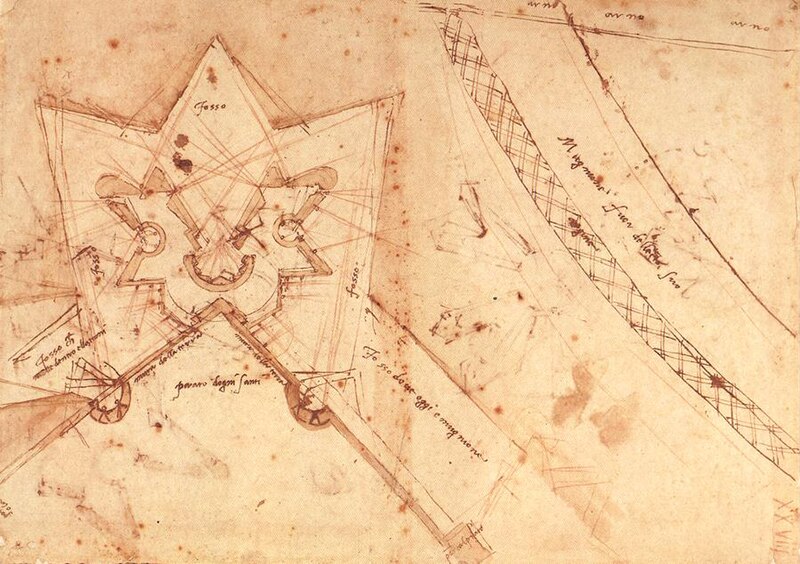
The impact of the Medici restoration was immense. It marked the end of the republican experiment and reinforced the Medici influence over the Italian Renaissance. Artist and architect Michelangelo had been involved in fortifying the city's defenses, showcasing his commitment to the Florentine cause. Despite his efforts, the Medici's control signaled a new era in the city's governance and cultural life.
This historical moment underscores the intertwining of political power and art during the Renaissance, highlighting the Medici's role in shaping Florence's trajectory.
#RestorationOfPower #Florence #MediciReturn #Michelangelo #RenaissancePolitics #MoofLife
Explore the Life Moments of
 AI Twin