Michelangelo's Departure from Rome: Artist-Patron Conflict in Renaissance Vatican diplomacy
Italy
Artistic Conflict
Renaissance Politics
3 min read
Updated By: History Editorial Network (HEN)
Published:
Updated:
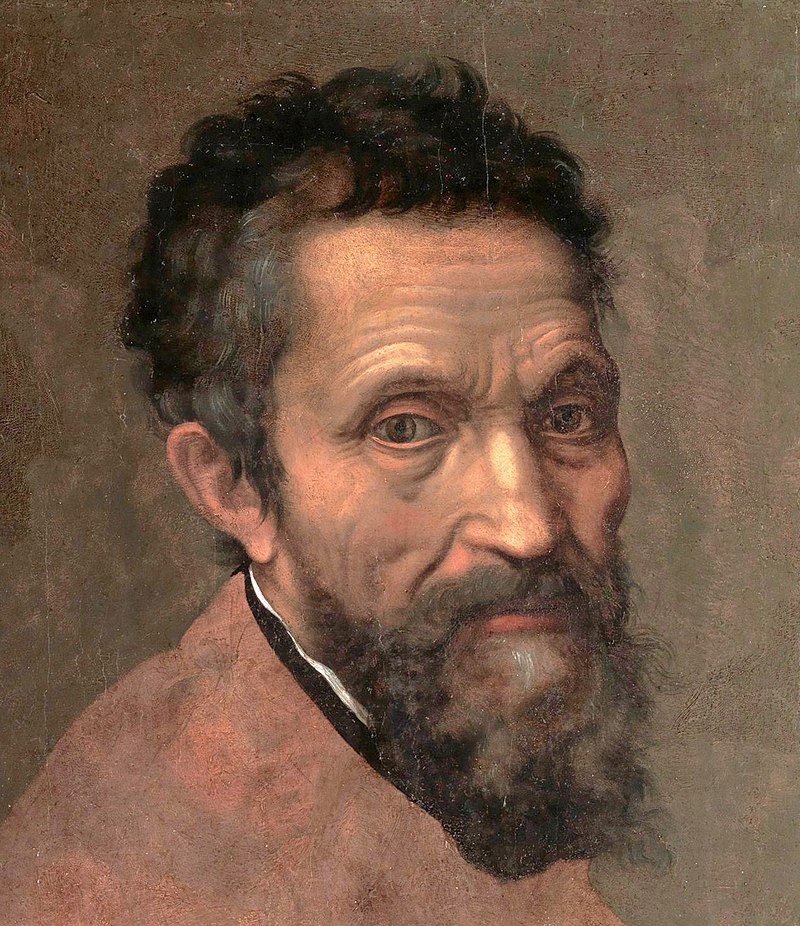
Michelangelo Buonarroti, the renowned Renaissance sculptor and painter, departed Rome for Florence secretly following a contentious dispute with Pope Julius II. The conflict arose during Michelangelo's commission to sculpt the Pope's elaborate tomb, which included forty statues set within a grand architectural design. Resources and manpower were constantly diverted to the building of St. Peter's Basilica, a project the Pope prioritized, leading to financial and logistical disputes. Frustrated by these impediments and feeling disrespected by consecutive delays, Michelangelo chose to leave.
This departure was not merely a personal decision; it had broader implications for the cultural projects and relations of the Vatican. Michelangelo's secretive exit underscored the tension between artist and patron, highlighting the delicate negotiations behind Renaissance masterpieces. His move to Florence signaled a need for artists to assert independence and protect their creative integrity and contractual rights amid political jockeying. The immediate impact on the tomb project was a significant delay, with the grand vision for the Pope's final resting place put on hold. Michelangelo would later reconcile with the Pope, but the incident vividly illustrated the complexities and discord even in the creation of art meant for religious and powerful political figures.
#Michelangelo #RenaissanceArt #Vatican #Florence #ArtistVsPatron #MoofLife
Explore the Life Moments of
 AI Twin