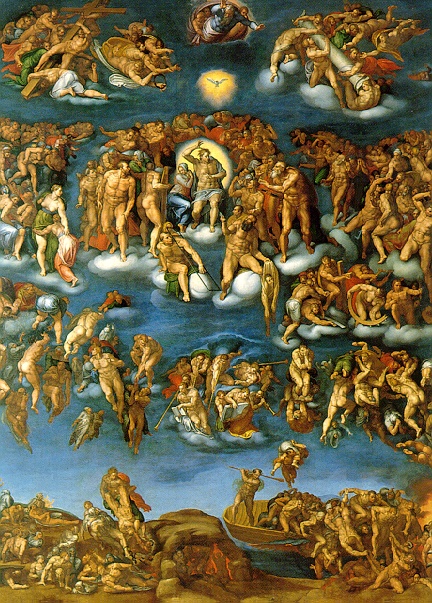
Pivotal Commission: Michelangelo's 'The Last Judgment' for Pope Clement VII in Renaissance Art
Italy
Art
Religion
4 min read
Updated By: History Editorial Network (HEN)
Published:
Updated:
In the period when Pope Clement VII reigned, he made a pivotal decision that had long-lasting effects on the art world. Michelangelo Buonarroti, an artist renowned for his exceptional talent, was summoned from Florence to Rome. Despite Michelangelo’s previous reluctance to take on new commissions due to his age and other ongoing projects, the Pope's request was profound and imperative.
Pope Clement VII commissioned Michelangelo to paint 'The Last Judgment' on the altar wall of the Sistine Chapel, a task that would ultimately become one of his most famous works. The Sistine Chapel, already adorned with Michelangelo's influential ceiling frescoes, would see its artistic narrative enriched further by this new project. This came at a time when the Roman Catholic Church was facing tumultuous challenges, including the pressures of the Protestant Reformation.
Michelangelo's work on 'The Last Judgment' began post Pope Clement VII's demise and served as a transformative piece in the Renaissance art movement. The fresco, covering approximately 44 ft by 40 ft, depicted the Second Coming of Christ and the final judgment of souls, reflecting the somber and intense spiritual themes of the era.
This commission illustrated not just the immense skill of Michelangelo but also highlighted the dynamic relationship between art and religion. Each figure and scene in the fresco were meticulously painted, showcasing Michelangelo’s deep understanding of human anatomy and movement. The piece evoked strong emotional and theological responses, becoming a defining symbol of the High Renaissance and Mannerism.
#Michelangelo #RenaissanceArt #TheLastJudgment #HighRenaissance #ArtAndReligion #MoofLife
Explore the Life Moments of
 AI Twin