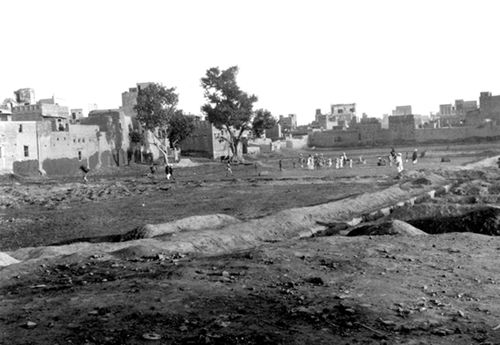
Tragedy at Jallianwala Baug; Fasting in Ahmedabad begins
India
Political
5 min read
Updated By: History Editorial Network (HEN)
Published:
The event known as the 'Massacre at Jallianwala Baug' was a crucial turning point in India's struggle for independence from British colonial rule. This moment occurred in the midst of widespread unrest fueled by the Rowlatt Act, which permitted imprisonment of individuals suspected of sedition without trial. This draconian policy had caused uproar among Indians, igniting a series of protests and strikes.
In Amritsar, Punjab, thousands of unarmed men, women, and children gathered peacefully in Jallianwala Baug, a public garden, to protest against the arrest of local leaders and to discuss non-violent resistance strategies. British Brigadier-General Reginald Dyer, perceiving the assembly as a challenge to colonial authority, ordered his troops to block the garden's sole exit and open fire on the crowd without warning. The shooting continued for about ten minutes, resulting in hundreds of deaths and countless injuries. The official figures reported by British authorities cited 379 fatalities, but Indian estimates suggest the number exceeded 1,000.
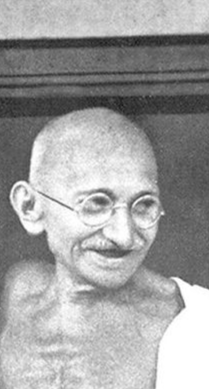
The massacre sparked outrage across India and the globe, leading to closer scrutiny of British colonial practices. News of the violence further fueled the Indian independence movement. In response to the massacre and the broader oppressive measures, Mahatma Gandhi, a prominent leader in the independence movement, initiated a three-day fast in Ahmedabad. Gandhi’s fast was both a protest against the British actions and an appeal for non-violence and unity among Indians. The fast received widespread support and was pivotal in galvanizing further non-violent resistance against British rule.
The events at Jallianwala Baug highlighted the extent of British repression and the lengths to which the colonial administration would go to maintain control, reinforcing the call for independence. The brutal nature of the massacre and Gandhi's subsequent fast marked a turning point in the Indian freedom struggle, highlighting the effectiveness of non-violent resistance and the resolve of the Indian populace.
#JallianwalaBaghMassacre #IndianIndependence #MahatmaGandhi #NonViolentResistance #BritishColonialRule #MoofLife
Primary Reference
Gandhi Timeline - Life Chronology of Mahatma Gandhi
Explore the Life Moments of
 AI Twin