Voluntary Registration Agreement with General Smuts
India
Political
5 min read
Updated By: History Editorial Network (HEN)
Published:
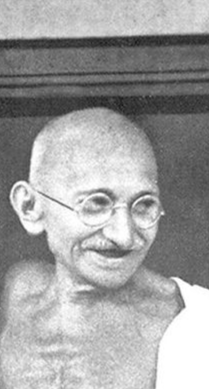
The signing of the agreement between Mahatma Gandhi and General Jan Smuts on voluntary registration was a pivotal event during the struggle of Indian immigrants in South Africa. This compromise was a result of intense negotiations and civil resistance led by Gandhi, who championed the rights of Indian laborers and traders facing discrimination under harsh colonial laws.
Leading up to this agreement, the Transvaal Asiatic Registration Act had been implemented, requiring all Indians to register and carry passes—essentially identity cards—with their fingerprints. This act was seen as humiliating and discriminatory by the Indian community. In defiance, Gandhi initiated the Satyagraha (truth-force) movement, a non-violent resistance campaign, urging Indians to refuse registration and accept the legal and physical consequences.
The stalemate, characterized by mass arrests and civil disobedience, drew significant attention. Eventually, General Smuts, representing the South African government, entered into dialogue with Gandhi. The negotiations led to a mutual understanding where the requirement for compulsory registration was replaced with voluntary registration, thus respecting the dignity and rights of the Indian populace.
This agreement allowed for Indians to register voluntarily without the humiliating fingerprint requirement, marking a crucial concession by the government. It was framed as a significant step forward in recognizing the Indian community's staunch resistance and their quest for civil rights. Though the agreement did not abolish all discriminatory laws, it was a testament to the power of non-violent resistance and dialogue.
The impact was notable; the success in South Africa bolstered Gandhi's philosophy of civil disobedience and laid the groundwork for his future campaigns, including the larger anti-colonial movement in India. The integration of voluntary registration was a symbolic victory, demonstrating that sustained peaceful protest could yield tangible results against entrenched colonial policies.
Mahala Gandhi's leadership during this crisis is often credited with uniting the Indian community in South Africa, fostering a spirit of resilience, and pioneering methods of peaceful resistance that had global implications.
#MahatmaGandhi #CivilRights #NonViolentResistance #Satyagraha #IndianDiaspora #MoofLife #ColonialHistory #SouthAfrica
Primary Reference
Gandhi Timeline - Life Chronology of Mahatma Gandhi
Explore the Life Moments of
 AI Twin