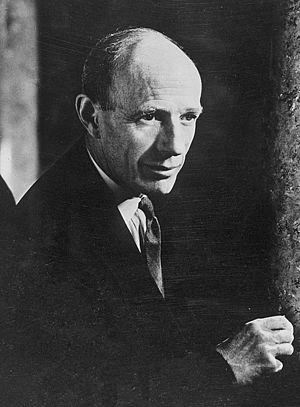
Key agreement reached between Gandhi and Irwin, significant progress towards Indian independence.
India
Political
Colonial
5 min read
Updated By: History Editorial Network (HEN)
Published:
The pact between Mahatma Gandhi and Lord Irwin marked a pivotal development in the Indian independence struggle against British colonial rule. The agreement emerged from extensive discussions between Gandhi, representing the Indian National Congress, and Irwin, the Viceroy of India, aiming to find common ground amidst escalating civil disobedience movements.
The backdrop to these discussions includes the widespread civil disobedience campaign initiated by Gandhi. This campaign included the Salt March, wherein Gandhi and his followers defied the British salt tax by producing salt from seawater. The movement triggered mass protests across India, challenging British authority and garnering international attention.
The pact primarily addressed several key issues. It agreed upon the cessation of the civil disobedience movement by the Indian National Congress. In return, the British government consented to release political prisoners not involved in violent activities and permitted Indians to make salt for their personal use, which was a direct concession to the Salt March protest.
The implications of the pact were multifaceted. For the Indian freedom movement, it represented a validation of non-violent resistance and negotiation as effective strategies. It highlighted the British government’s willingness to engage with Indian leaders on political reforms. However, the pact had its critics, who believed it did not go far enough in addressing India's broader demands for complete self-governance.
Statistics relevant to this period include the thousands of Indians arrested during the civil disobedience campaigns, with figures suggesting that over 60,000 were detained. The release of these political prisoners was one of the substantial outcomes of the pact.
The Gandhi-Irwin agreement is a crucial episode in India’s journey towards independence, embodying the persistent struggle and negotiation efforts of Indian leaders. It fostered a temporary truce, showcasing the potential for resolution through dialogue, while also underscoring the tensions and complexities involved in the fight for India’s sovereignty.
#Gandhi #ColonialHistory #FreedomStruggle #IndiaIndependence #NonViolence #PoliticalNegotiation #MoofLife
Primary Reference
Gandhi-Irwin Pact | Non-Violence, Salt March, Peaceful Protest ...
Explore the Life Moments of
 AI Twin