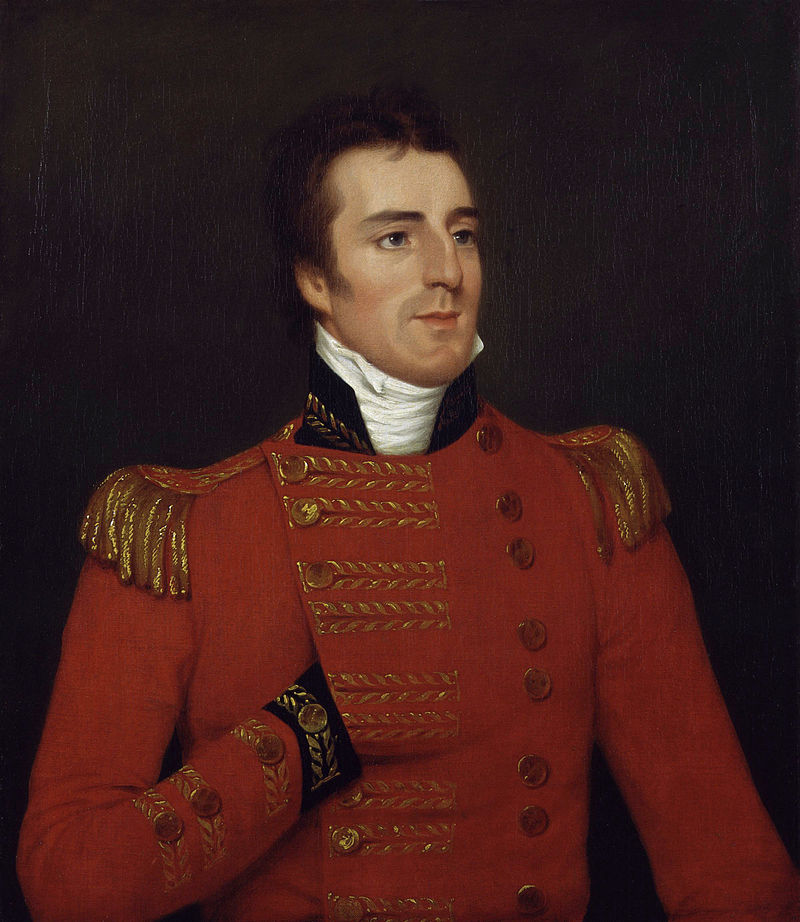
Arthur Wellesley becomes the Prime Minister
Appointment of the Prime Minister
3 min read
Updated By: History Editorial Network (HEN)
Published:
On Arthur Wellesley, the British government appointed the Duke of Wellington as the Prime Minister of the United Kingdom. Wellington, a renowned military leader who had famously defeated Napoleon at the Battle of Waterloo, brought a strong reputation for leadership and decisive action to his new role. As Prime Minister, he faced challenges such as economic instability and political unrest.
Wellington's tenure as Prime Minister was marked by his conservative policies, including measures to address the country's economic woes and maintain social order. His government also focused on reforming the public finances and reducing government expenditure. Wellington's leadership style, characterized by his pragmatism and firmness, garnered both support and criticism.
During his time as Prime Minister, Wellington's administration grappled with contentious issues such as Catholic emancipation and parliamentary reform. These debates tested Wellington's political acumen and ability to navigate diverse interests within the government. Despite facing opposition from various quarters, Wellington managed to steer the country through turbulent times, leaving a lasting impact on British politics.
#DukeOfWellington #BritishPolitics #PrimeMinisterialAppointment.
Primary Reference
Arthur Wellesley, 1st Duke of Wellington - Wikipedia
Explore the Life Moments of
 AI Twin