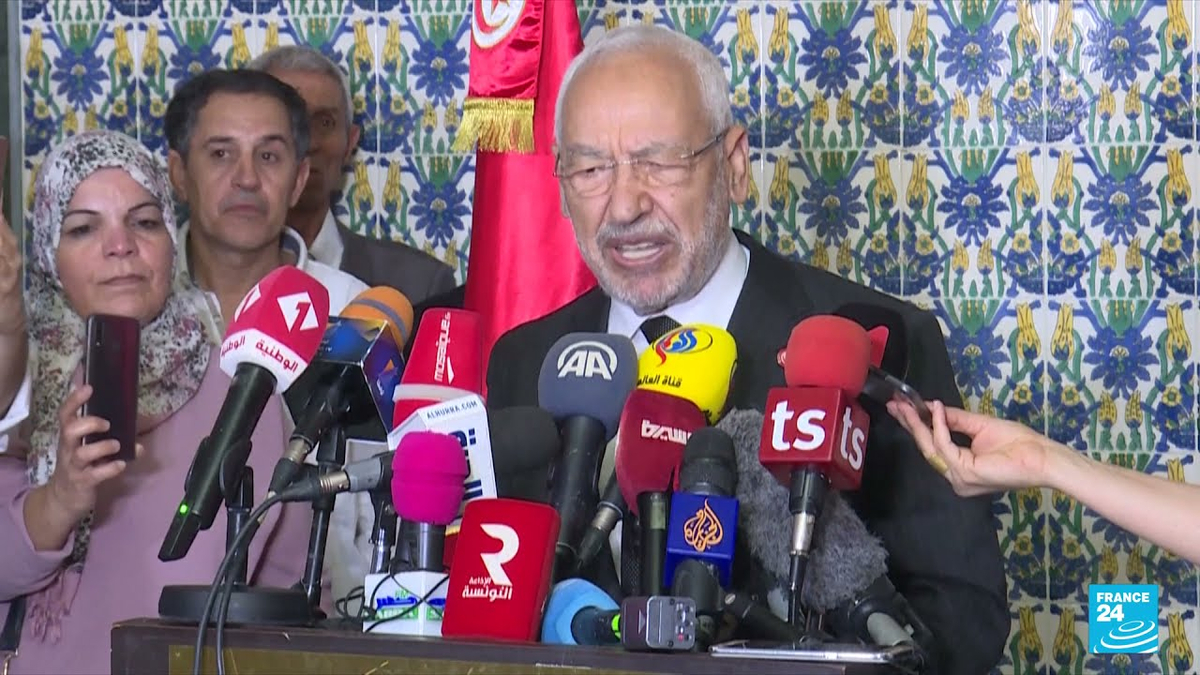
President suspends parliament, lifts immunity, sparking protests and debates about democracy.
Tunisia
Political
3 min read
Updated By: History Editorial Network (HEN)
Published:
President Kais Saied of Tunisia suspended parliament and lifted the immunity of its members, concentrating power in his hands. This move sparked protests and ignited debates on the country's democratic institutions. Saied invoked a national emergency, citing concerns over political deadlock, corruption, and public outrage. The decision was met with both support and criticism from citizens and political factions.
The suspension of parliament and dismissal of the prime minister were seen as drastic measures to address the ongoing political and economic crisis in Tunisia. Some viewed it as a necessary step towards restoring stability and combating systemic corruption, while others expressed concerns about the concentration of power and potential authoritarianism.
The move led to demonstrations in the streets, with some expressing support for Saied's actions, while others demanded a return to democratic norms. The situation remained tense as the country grappled with uncertainty and diverging opinions on the way forward.
The event highlighted the fragile state of democracy in Tunisia and raised questions about the balance of power between the executive, legislative, and judicial branches of government. It also underscored the deep-seated political divisions and socio-economic challenges facing the North African nation.
#Tunisia #PresidentSaied #ParliamentSuspension #DemocraticInstitutions #Protests
Primary Reference
One Year Later, Tunisia's President Has Reversed Nearly a Decade ...

Explore the Life Moments of
 AI Twin