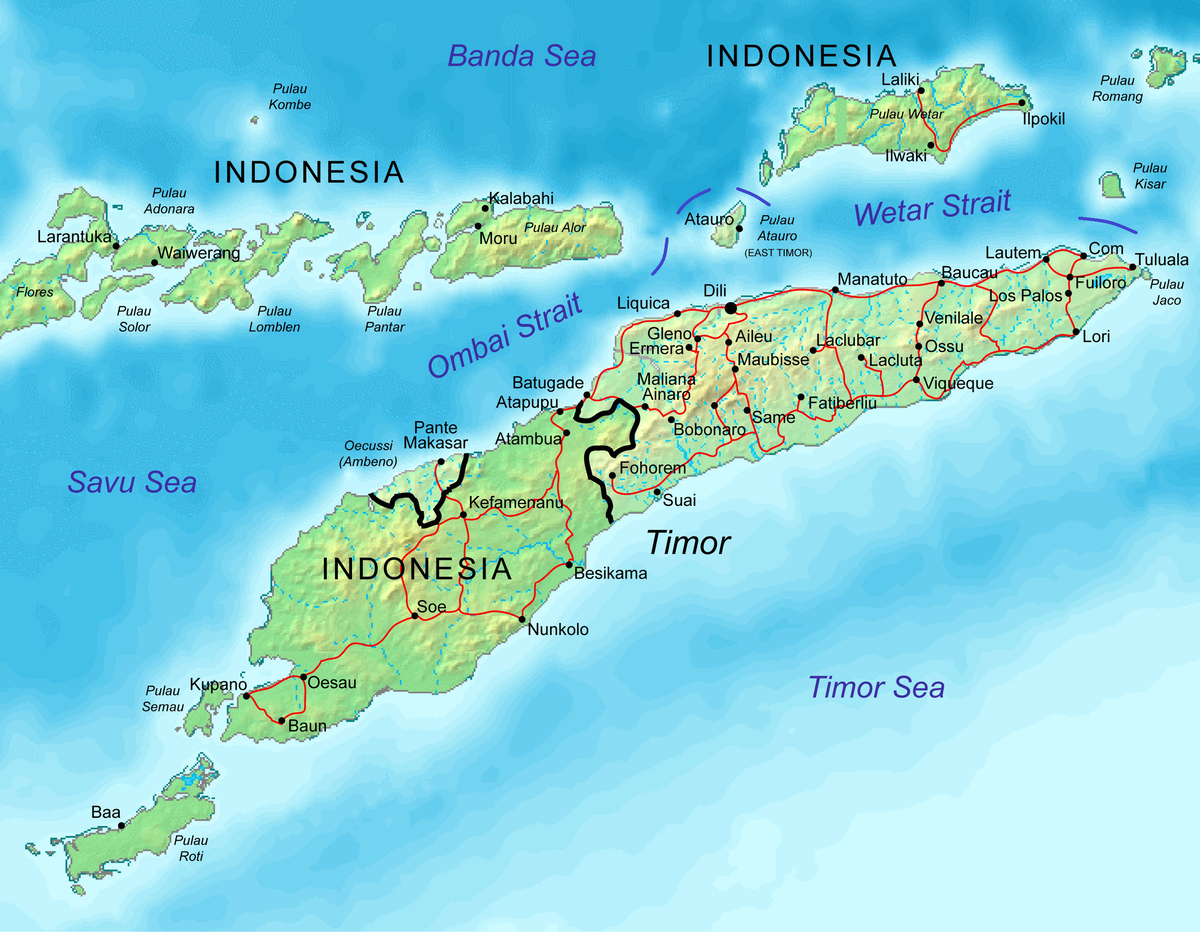
Dutch colonization in East Timor: history, impact, and legacy in Southeast Asia.
Timor-Leste

Global Trade
3 min read
Updated By: History Editorial Network (HEN)
Published:
In 1613, the Dutch colony was established in East Timor. This event marked the beginning of Dutch influence in the region, leading to changes in governance, trade, and culture. The Dutch aimed to control the valuable sandalwood trade in the East Indies, gaining a foothold in East Timor to further their economic interests.
The establishment of the Dutch colony had a lasting impact on East Timor's history. It introduced new political structures, legal systems, and trading practices to the region. The Dutch presence also shaped local customs and traditions. This colonization brought both benefits and challenges to the indigenous population, impacting their way of life.
Over time, the Dutch control over East Timor faced resistance from local leaders and neighboring powers. The struggle for power and resources often led to conflicts and tensions in the region. Despite these challenges, the Dutch maintained their presence in East Timor for a significant period, leaving a legacy that would influence the country's development for years to come.
#DutchColonization #EastTimorHistory #ImpactOfColonialism
Primary Reference
History of East Timor - Wikipedia
Explore the Life Moments of
 AI Twin