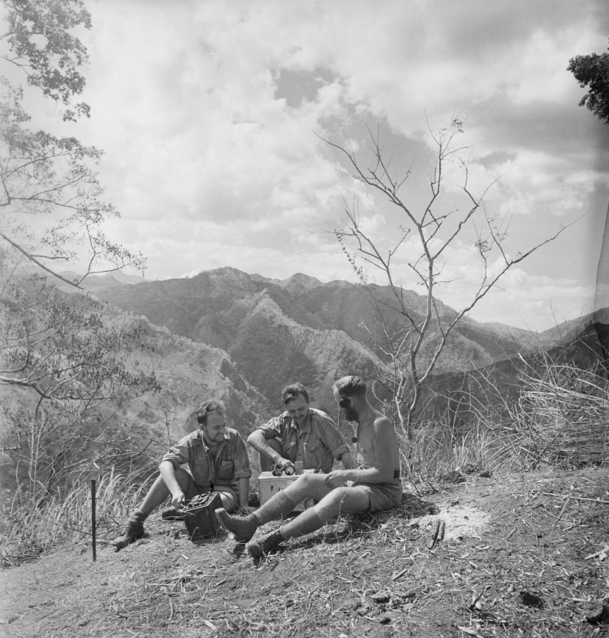
Japanese occupation in Timor during WW2: impacts, resistance, and historical significance discussed.
Timor-Leste

War
3 min read
Updated By: History Editorial Network (HEN)
Published:
During World War II, the Japanese military occupied Timor, strategically positioning themselves in the Southeast Asian region. This occupation brought significant challenges to the local Timorese population, who experienced harsh living conditions and oppression under Japanese rule.
The Japanese occupation of Timor had a profound impact on the social, economic, and political fabric of the region. The local economy suffered as resources were exploited for Japan's war efforts, leading to food shortages and economic instability. The Timorese people also faced forced labor, cultural suppression, and brutality at the hands of the Japanese forces.
Despite the hardships endured during the occupation, the Timorese people demonstrated resilience and resistance, engaging in guerrilla warfare and supporting Australian forces in covert operations. This resistance played a crucial role in disrupting Japanese control and ultimately contributed to the liberation of Timor.
The Japanese occupation of Timor during World War II serves as a stark reminder of the lasting impact of war on local communities and the resilience of the human spirit in the face of adversity. #JapaneseOccupation #TimorWWII #Resilience
Primary Reference
Battle of Timor - Wikipedia
Explore the Life Moments of
 AI Twin