
President of the Republic of Panama

Head of the State
Related Lives

Turkey
The Land of Singing Trees
Angola
Land of contrasts, from bustling cities to breathtaking landscapes.
Roman Republic
Res Publica Romana
Liechtenstein
The Jewel of the Alps

Ethiopia
Federal Democratic Republic of Ethiopia
Venezuela
The Country of a Thousand Landscapes
Romania
The Gateway to the Balkans
Prime Minister of the United Kingdom
The Head of Government

1941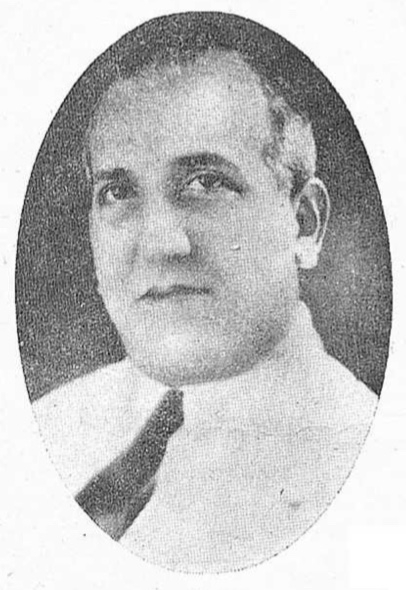
Born in 1899, Ricardo Adolfo de la Guardia Arango, an Independent party member, assumed the presidency of Panama on 15-Jun-1945. He held office for 3 years and 8 months until his departure. De la Guardia Arango navigated the country through a critical period, leaving a lasting impact on Panamanian politics.
His leadership brought stability and progress to Panama during his tenure. De la Guardia Arango's policies aimed at strengthening the economy and promoting social welfare, garnering support from various sectors of society. His independent stance allowed him to bridge divides and foster unity within the political landscape, ensuring a balanced governance structure.
Despite challenges faced during his time in office, such as economic fluctuations and regional tensions, De la Guardia Arango maintained a steady hand, guiding Panama towards development and prosperity. His legacy as a pragmatic and inclusive leader endures in the hearts of the Panamanian people, representing a pivotal moment in the country's political history.
De la Guardia Arango's presidency exemplified resilience and dedication to nation-building, setting a benchmark for future leaders to follow. His contributions to Panama remain a cornerstone of its democratic tradition, shaping the course of governance for years to come. #RicardoAdolfodelaGuardiaArango #PanamaPresident #PoliticalLegacy
View details1940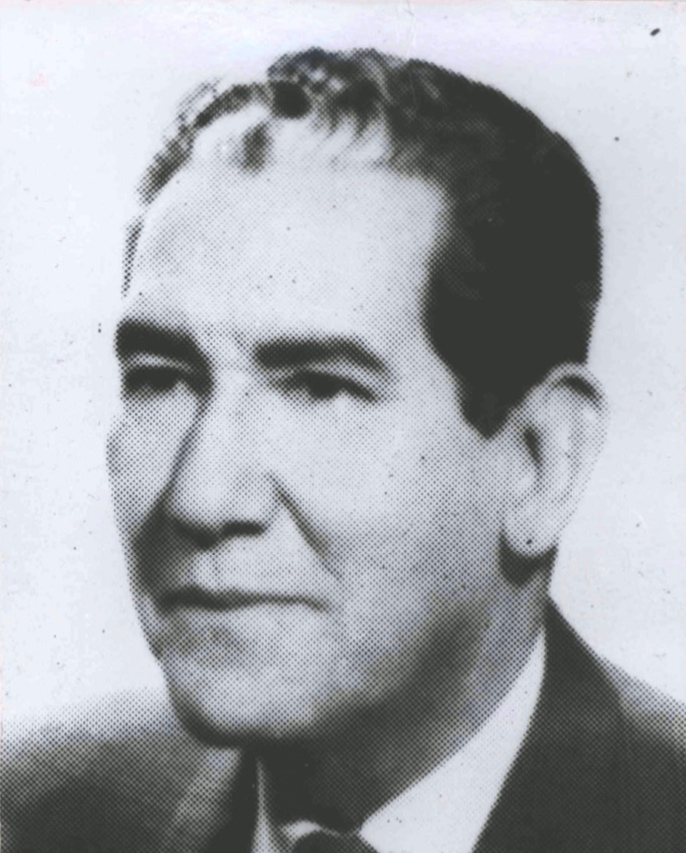
Born in 1901, Arnulfo Arias was a prominent political figure in Panama. In 1940, he assumed the presidency for the first time, representing the National Revolutionary Party. Despite his notable tenure, marked by policies aimed at social reform, Arias was ousted the following year in a coup d'état. This abrupt removal from office cut short his leadership after just one year.
The impact of Arias's brief presidency was felt in his swift implementation of various initiatives. He prioritized populist measures and strived for improvement in social welfare. However, his efforts were met with resistance, leading to his eventual removal from power.
Arnulfo Arias's first term in office, although short-lived, left a mark on Panama's political landscape. His legacy as a champion of social change and a voice for the marginalized continued to resonate even after his removal from power. #ArnulfoArias #PanamaPresident #CoupDeEtat #NationalRevolutionaryParty
View details1939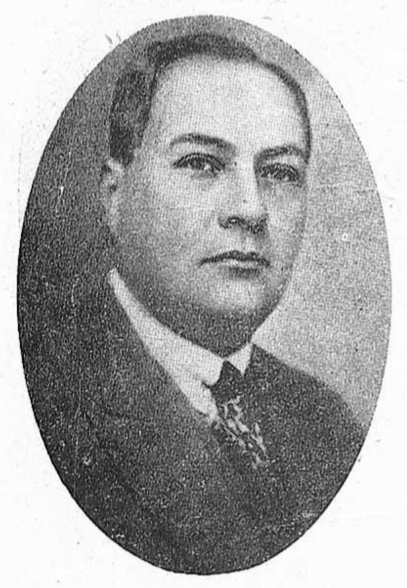
In December of 1939, Augusto Samuel Boyd assumed the role of Acting President of Panama. Boyd, born in 1879 and passing away in 1957, belonged to the National Revolutionary Party. He took office in October of 1940 and served for a brief 9-month period before leaving his position.
Boyd's time in office as Acting President marked a transitional phase for Panama. His leadership within the National Revolutionary Party reflected a significant moment in the country's political landscape. Despite the short duration of his presidency, Boyd's legacy and impact on Panama's governance were notable.
During his tenure, Boyd navigated various internal and external challenges, demonstrating his ability to lead during a critical time in Panama's history. His dedication to national interests and commitment to the principles of the National Revolutionary Party were evident throughout his brief presidency.
Augusto Samuel Boyd's contribution as Acting President left a lasting impression on Panama's political climate, setting the stage for future leaders to continue shaping the country's trajectory. His pragmatic approach and leadership style were instrumental in guiding Panama through a period of transition and uncertainty.
#AugustoSamuelBoyd #ActingPresident #NationalRevolutionaryParty #PanamaLeadership
View detailsEzequiel Fernández, a member of the National Revolutionary Party, became the Acting President of Panama after the abrupt departure of the incumbent president. Born in 1886, Fernández had a brief stint in office, serving for only two days in December 1939. His unexpected rise to power came after political turmoil within the ruling party, leading to a swift transfer of authority.
During his short tenure, Fernández focused on maintaining stability and continuity in governance. Despite the brevity of his presidency, his actions had a lasting impact on Panama's political landscape. His role as Acting President showcased his ability to navigate the complexities of leadership during times of crisis.
Following his brief time in office, Fernández stepped down, allowing for the peaceful transition of power to a new president. While his presidency was short-lived, Fernández's commitment to upholding governmental functions during a period of uncertainty demonstrated his dedication to the nation.
Fernández's legacy as Acting President remains a noteworthy chapter in Panama's political history, underscoring the importance of leadership and governance in times of transition. His brief but impactful presidency serves as a reminder of the critical role leaders play in shaping the course of a nation's future. #EzequielFernández #PanamaPresident #PoliticalTransition
View details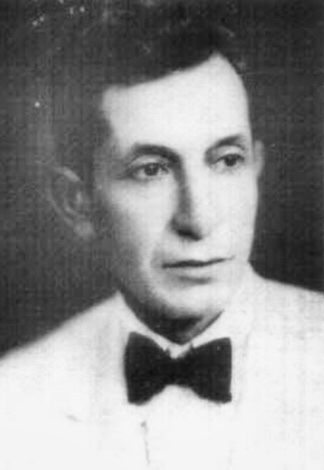
1936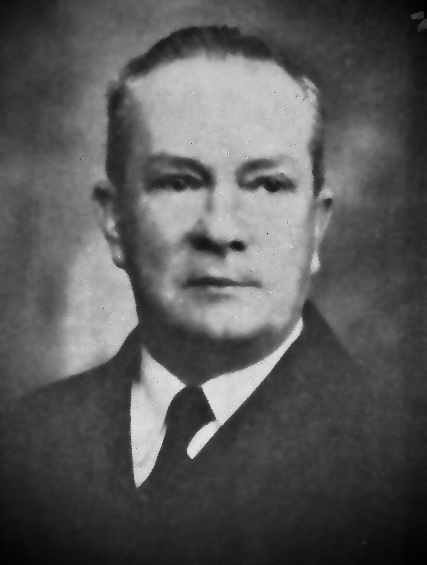
Juan Demóstenes Arosemena, a member of the National Liberal Party, served as the President of Panama from 1936 until his unexpected death in 1939 while in office. Arosemena's political career was marked by his dedication to social and educational reforms, aiming to improve the lives of the Panamanian people. Despite his relatively short time in office, lasting 3 years and 2 months, his impact was significant.
During his presidency, Arosemena focused on infrastructure development and the modernization of the country. He also advocated for the rights of workers and implemented policies to support them. His sudden death in office came as a shock to the nation, cutting short his efforts to further improve Panama.
Arosemena's legacy is remembered for his commitment to progress and his advocacy for social justice. His untimely death left a void in Panama's political landscape, prompting a period of mourning and reflection on his contributions to the country. The National Liberal Party mourned the loss of one of their prominent leaders, who dedicated his life to serving the people of Panama.
#JuanDemóstenesArosemena #PanamaPresident #NationalLiberalParty #PoliticalLegacy #SocialReforms.
View details1932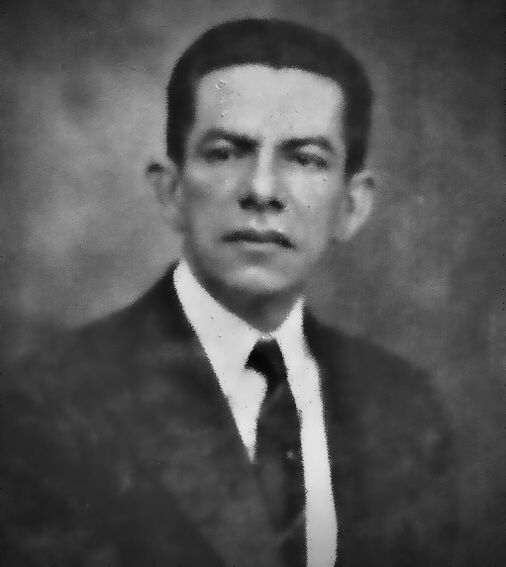
Harmodio Arias Madrid, President of Panama from 1932-1936, was a prominent figure in the country's political history. Elected as the leader of the National Revolutionary Party, he held office during a crucial period of reform and modernization. Arias Madrid's government focused on social and economic development, implementing policies to improve infrastructure and education.
His leadership was marked by a commitment to democratic principles and national progress. Arias Madrid's tenure saw advancements in healthcare, agriculture, and labor rights, benefiting the people of Panama. He also prioritized diplomatic relationships with other nations, promoting cooperation and trade opportunities.
Under Arias Madrid's administration, Panama experienced stability and growth, laying the foundation for future prosperity. His legacy as a progressive and visionary leader is remembered in Panama's history. #HarmodioAriasMadrid #PanamaPresident #NationalRevolutionaryParty #ProgressiveLeadership
View details1931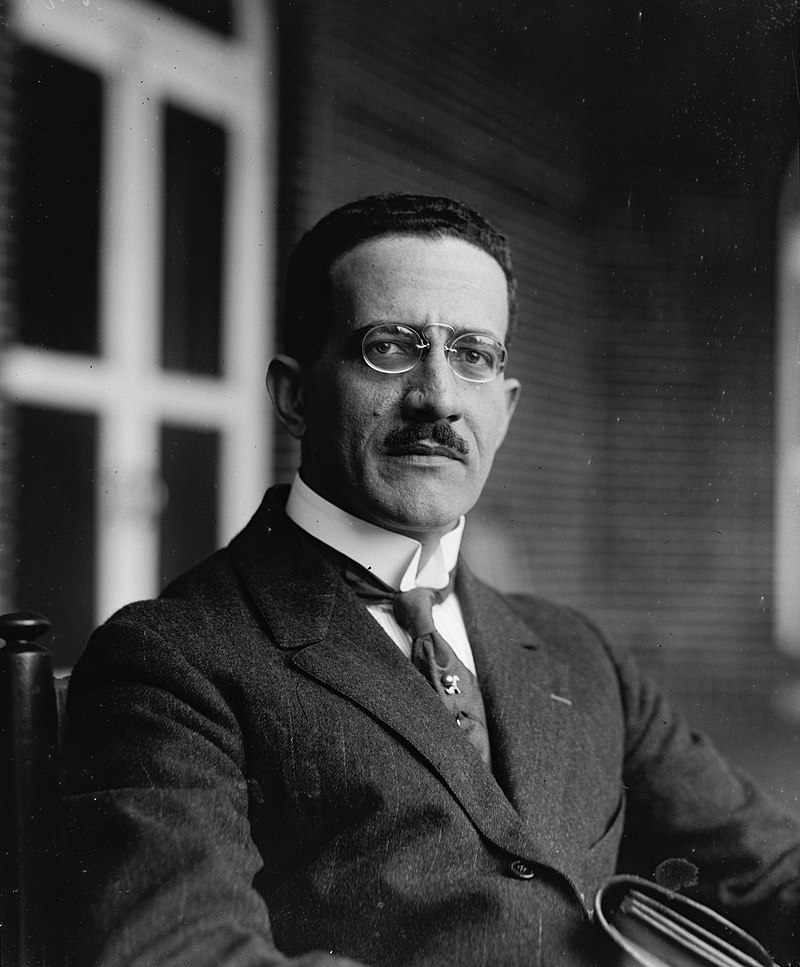
Ricardo Joaquín Alfaro Jované, a member of the National Liberal Party, assumed the presidency of Panama in 1931. During his brief tenure of one year and four months, Alfaro Jované focused on economic and social reforms, aiming to improve the country's infrastructure and education system. His administration faced challenges such as economic instability and political opposition.
Alfaro Jované's time in office was marked by efforts to modernize Panama and promote social welfare. He implemented policies to boost agricultural production and support small businesses, striving to stimulate the economy. Additionally, he worked towards expanding educational opportunities for the population, recognizing the importance of investing in human capital for national development.
Despite his initiatives, Alfaro Jované faced criticism and resistance from various political factions during his presidency. His administration grappled with internal conflicts and struggles to effectively implement reforms, hindering the full realization of his vision for Panama.
Ultimately, Ricardo Joaquín Alfaro Jované's presidency had a significant impact on Panama's development trajectory, setting the groundwork for future reforms and initiatives. His legacy continues to be remembered in the country's political history, reflecting his contributions to advancing economic progress and social well-being.
#Panama #President #EconomicReforms #SocialWelfare #Education #Legacy
View details1928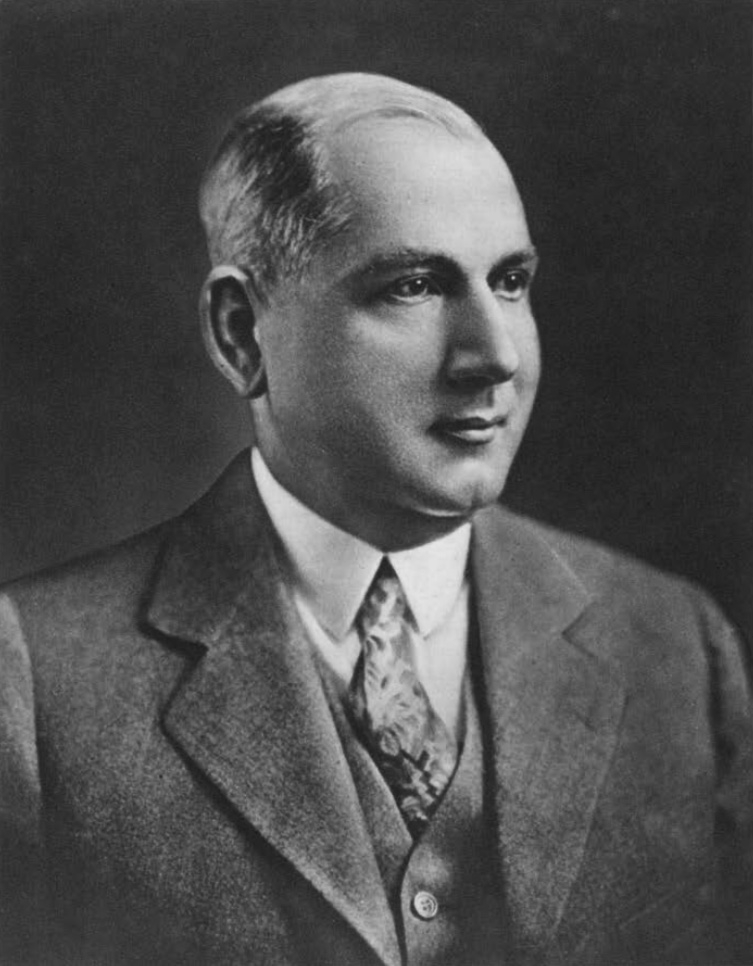
Florencio Harmodio Arosemena, born in 1872 and passing away in 1945, served as the President of Panama for a span of 2 years and 2 months, representing the National Liberal Party. His presidency came to an abrupt end when he was deposed in a coup d'état on 03-Jan-1931.
Arosemena's time in office was marked by political turbulence and internal strife. Despite being affiliated with the National Liberal Party, his presidency faced challenges and opposition that ultimately led to his removal from power in the coup d'état.
The impact of Arosemena's ousting reverberated throughout Panama, signaling a period of instability and uncertainty in the country's political landscape. The coup d'état represented a significant shift in power dynamics and highlighted deeply entrenched political divisions within Panama.
Arosemena's presidency, though brief, left a mark on Panama's political history, serving as a reminder of the fragility of governance and the complexities of maintaining stability in a tumultuous political environment.
#FlorencioHarmodioArosemena #PanamaPresident #CoupDetat #NationalLiberalParty
View details1924
Rodolfo Chiari, a member of the National Liberal Party, assumed office as President of Panama after winning the election. His presidency spanned over four years until his departure in 1928. Chiari's political tenure was marked by various economic and social reforms that aimed to improve the country's overall well-being. He focused on infrastructure development and modernization initiatives during his time in office. Chiari's leadership contributed to a period of stability and progress in Panama.
His legacy also includes efforts to strengthen diplomatic relations with neighboring countries, creating a positive impact on Panama's geopolitical standing. Additionally, Chiari's administration emphasized the importance of education and healthcare, laying the groundwork for future advancements in these areas. Chiari's initiatives resonated with the public, garnering support and admiration from the Panamanian population.
Overall, Rodolfo Chiari's presidency was characterized by a commitment to progress, stability, and social welfare, leaving a lasting impact on the political landscape of Panama. His contributions continue to be remembered and appreciated by the people of Panama today. #RodolfoChiari #PanamaPresident #NationalLiberalParty #Progress #Legacy
View details1920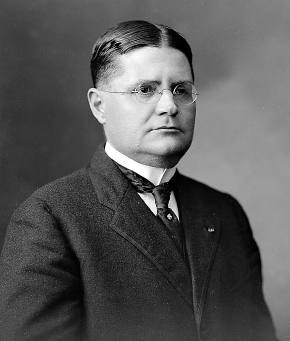
Ernesto Tisdel Lefevre was a member of the National Liberal Party in Panama, serving as Acting President for 7 months in 1920. Born in 1876, he took office after the previous president left, and before the incoming president assumed power. Lefevre's brief tenure saw him steering the country through a period of political transition. His leadership was marked by efforts to maintain stability and continuity in governance during this interim period. Despite the brevity of his term, his role as Acting President was crucial in ensuring a seamless transfer of power within the government. Lefevre's commitment to upholding the duties of the presidency during this transitional phase left a lasting impact on Panama's political landscape. His tenure underscored the importance of diligent and responsible governance in times of political change, setting a precedent for future leaders to follow.
#ErnestoTisdelLefevre #PanamaPresident #NationalLiberalParty #PoliticalTransition
View details1918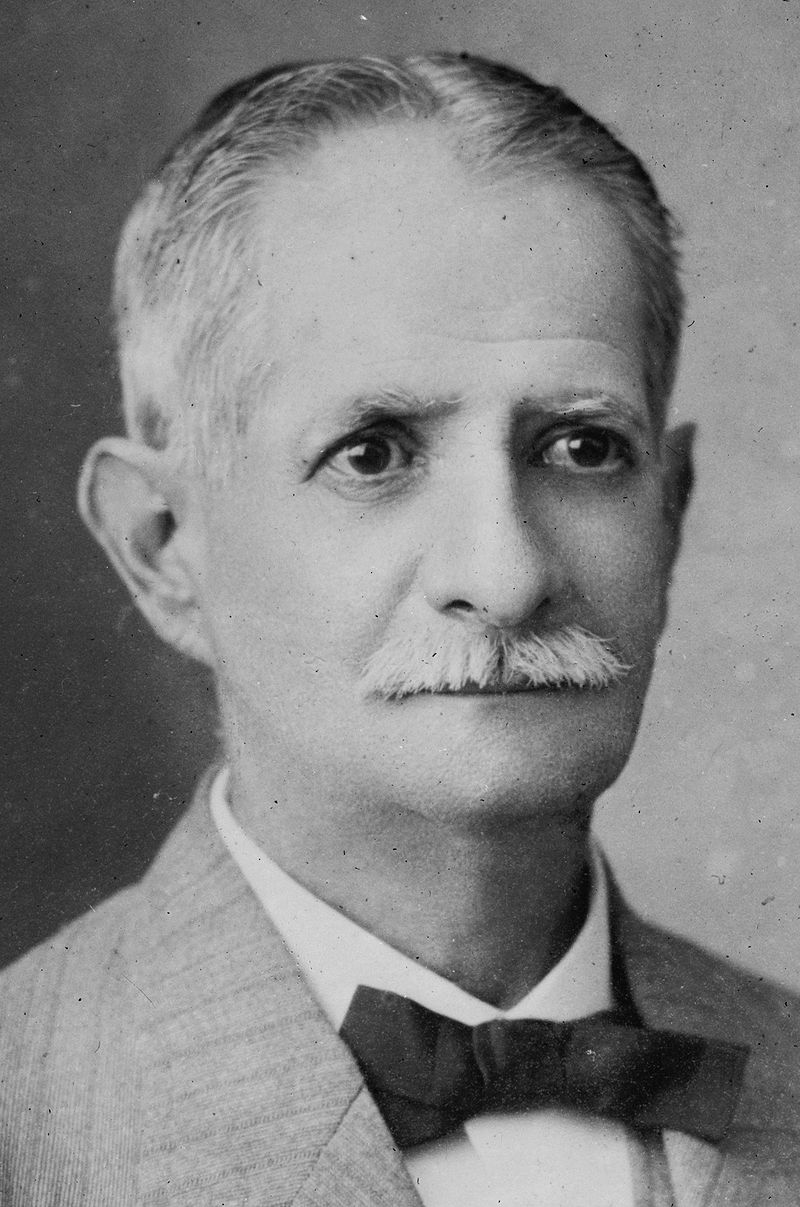
Pedro Antonio Díaz, born in 1852, served as Acting President of Panama for a brief 11-day period, until his departure on 12-Oct-1918. He was affiliated with the Conservative Party. Díaz's assumption of the presidential role followed a period of political instability. His tenure was marked by attempts to navigate the challenges facing the nation at the time, albeit within a constrained timeframe. Despite his limited term, Díaz's actions and decisions during his short presidency had some impact on Panama's internal affairs.
Díaz's leadership, even if interim, shed light on the Conservative Party's position and influence during that period. His brief stint in office, though short-lived, played a role in shaping Panama's political landscape. Díaz's departure marked the end of his time as Acting President, yet his legacy continued to be discussed in various circles.
#PedroAntonioDíaz #ActingPresident #PanamaPoliticalHistory #ConservativeParty #ShortPresidentialTenure
View detailsCiro Luis Urriola served as the Acting President of the Republic of Panama for a brief period in 1918. His tenure, although short, took place during a critical time in Panamanian history when the young republic was navigating its early years of independence and dealing with internal political challenges.
Early Life and Background
Ciro Luis Urriola was born in 1863 in Panama, during the time it was still part of Colombia. He pursued a career in medicine and became a prominent physician. His reputation and dedication to public service eventually led him into the political arena.
Political Context
Panama declared its independence from Colombia on November 3, 1903, with the support of the United States, which had strategic interests in constructing the Panama Canal. This newfound independence came with its own set of challenges, including political instability and the need for strong governance.
By 1918, Panama had already seen several presidents and political transitions. The political environment was marked by factionalism and the need for leaders who could navigate the complexities of both domestic politics and international relations, especially with the United States, which had significant influence in the region due to the canal.
Acting Presidency
Ciro Luis Urriola assumed the role of Acting President on June 3, 1918. His appointment came after the resignation of President Ramón Maximiliano Valdés due to health issues, which ultimately led to Valdés's death in June 1918. Urriola's presidency lasted for only three months, a period marked by the need to maintain stability and continuity in governance.
During his short tenure, Urriola focused on ensuring that the government continued to function smoothly and that the political transition was handled with care. This was a crucial period for maintaining the young republic’s stability amidst the backdrop of World War I, which had global implications even for countries like Panama.
Succession and Later Life
Urriola was succeeded by Pedro Antonio Díaz, who took over as the new acting president in October 1918. Urriola returned to his previous roles and continued to contribute to public life in Panama.
Urriola's post-presidential years saw him continue his work in the medical field and remain a respected figure in Panamanian society. He passed away in 1922, leaving behind a legacy of service both as a physician and a brief, stabilizing force in Panamanian politics.
Legacy
Ciro Luis Urriola's brief presidency is often viewed in the context of Panama’s early struggles to establish a stable and effective government following its independence. His role as a caretaker president helped bridge a critical transitional period and ensured that the country remained on a steady course during a time of potential uncertainty.
#CiroLuisUrriola #PanamaHistory #1918Presidency #PanamaPresidents #EarlyRepublic #MomentsOfLife #MoofLife_Moment #MoofLife
View details
1916
Ramón Maximiliano Valdés, a member of the National Liberal Party, assumed office as President of Panama in 1916. Tragically, he served for only one year and seven months before his sudden death while in office. Valdés' unexpected passing in 1918 marked the end of his political career and had a significant impact on the political landscape of Panama.
During his brief tenure, Valdés faced various challenges and made efforts to implement policies aligned with his party's agenda. His untimely death cut short any potential long-term impacts of his presidency, leaving a sense of uncertainty among the populace. The National Liberal Party mourned the loss of one of their prominent leaders who had been actively involved in shaping the country's direction.
Valdés' legacy remains intertwined with the historical narrative of Panama's political transitions. His death in office symbolizes the unpredictability of political life and the importance of succession planning within the government. The nation, still reeling from the loss of a leader, was forced to navigate the aftermath and transition to a new era under different leadership.
#Panama #President #NationalLiberalParty #PoliticalLegacy
View details1912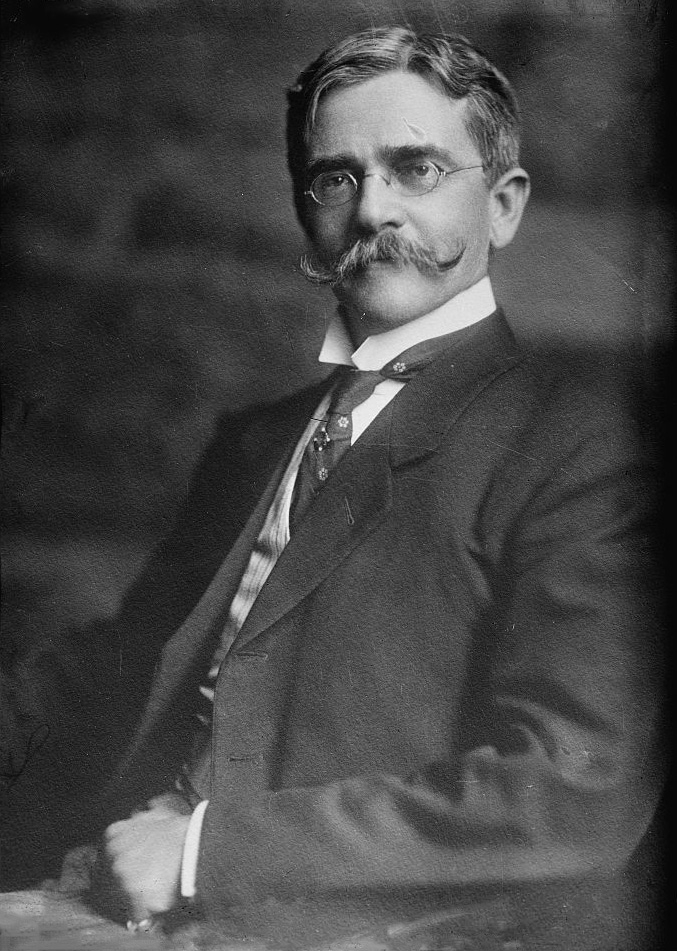
Belisario Porras Barahona was born in 1856 and passed away in 1942. A member of the National Liberal Party in Panama, he served as the President for a four-year term starting in 1912. Porras Barahona's initial administration marked his first tenure in office, during which he introduced various reforms and policies that aimed to benefit the people of Panama. He championed social programs, education initiatives, and infrastructure development projects, leaving a lasting impact on the country.
During his time in office, Porras Barahona focused on improving the welfare of the citizens and strengthening Panama's economy. His leadership style was characterized by a commitment to progressive ideals and a dedication to addressing the needs of the population. Porras Barahona's tenure as President was instrumental in shaping the political landscape of Panama and solidifying the National Liberal Party's influence in the country.
Overall, Belisario Porras Barahona's first term as President of Panama was a crucial period in the nation's history. His legacy as a leader who prioritized the well-being of the people continues to be remembered and celebrated in Panama to this day.
#BelisarioPorrasBarahona #PanamaPresident #NationalLiberalParty #ReformLeader
View details1910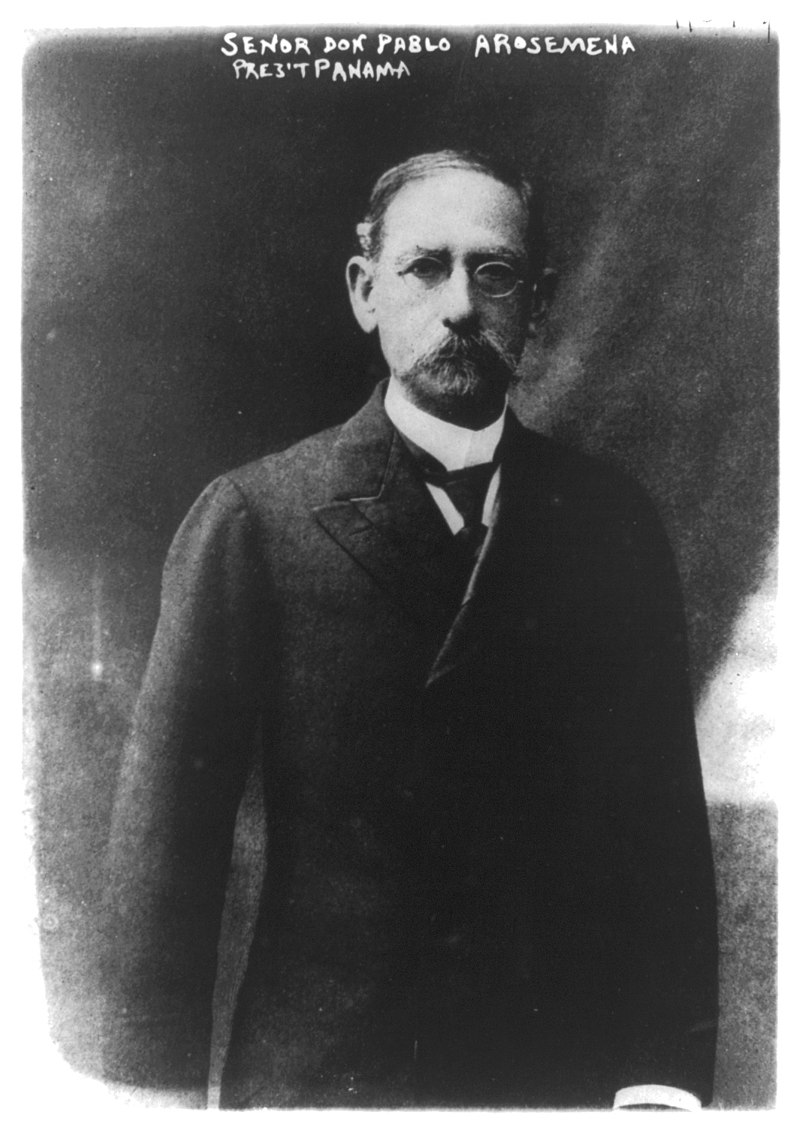
Pablo Arosemena served as the Acting President of Panama for nearly two years, belonging to the National Liberal Party. Born in 1836 and passing away in 1920, he took office on 01-Oct-1912. Arosemena's brief tenure left a mark on the nation's political landscape. His role as Acting President came during a transitional period, providing stability and leadership during this time. Arosemena's political allegiance to the National Liberal Party shaped his policies and decisions during his term. Though his time in office was relatively short, his actions laid the groundwork for the political developments that followed. Arosemena's time in office played a crucial role in maintaining the balance of power within the government. His service as Acting President reflects a key moment in Panama's political history, highlighting the significance of his leadership during a time of transition and change. #Panama #ActingPresident #NationalLiberalParty
View detailsFederico Boyd was the Acting President of Panama for a mere four days in 1910. He served as a temporary leader following the resignation of the incumbent president. A member of the National Liberal Party, his brief tenure was marked by efforts to maintain stability during a period of political transition.
Despite his short time in office, Boyd's role as Acting President had a significant impact on the political landscape of Panama. His leadership during this brief period helped to ensure a smooth transfer of power and uphold the functions of the government. His dedication to duty and commitment to upholding the principles of the National Liberal Party were evident in his actions during his time in office.
Federico Boyd's legacy as Acting President is a testament to his willingness to serve his country in times of need. His brief but impactful term demonstrated his leadership abilities and his dedication to the political process in Panama. Boyd's contribution to maintaining stability during a critical moment in Panama's history is remembered as an essential chapter in the nation's political evolution.
#FedericoBoyd #ActingPresident #NationalLiberalParty #PanamaPolitics
View details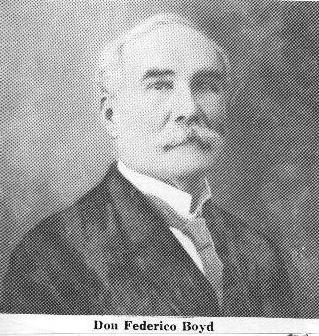
Carlos Antonio Mendoza, born in 1856, held the position of Acting President for 6 months starting on 01-Oct-1910. He was a member of the National Liberal Party. Mendoza stepped into office during a period of political transition. Although his time in office was brief, his role as Acting President marked a crucial moment in Panama's leadership history. As part of the National Liberal Party, Mendoza's leadership style and political decisions may have influenced the direction of Panama during his tenure. Despite the brevity of his term, Mendoza's actions and policies could have had a lasting impact on the country's political landscape. His brief presidency serves as a reminder of the intricate and sometimes volatile nature of politics in Panama. #CarlosAntonioMendoza #ActingPresident #NationalLiberalParty #PanamaHistory
View details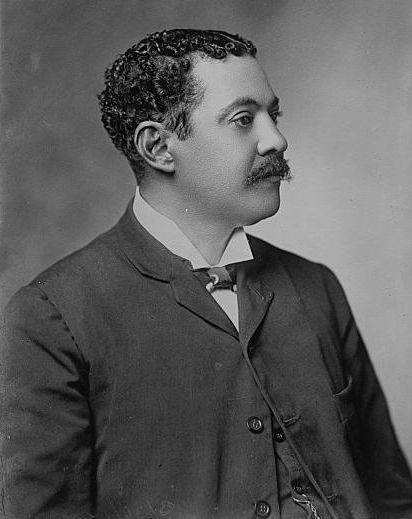
1908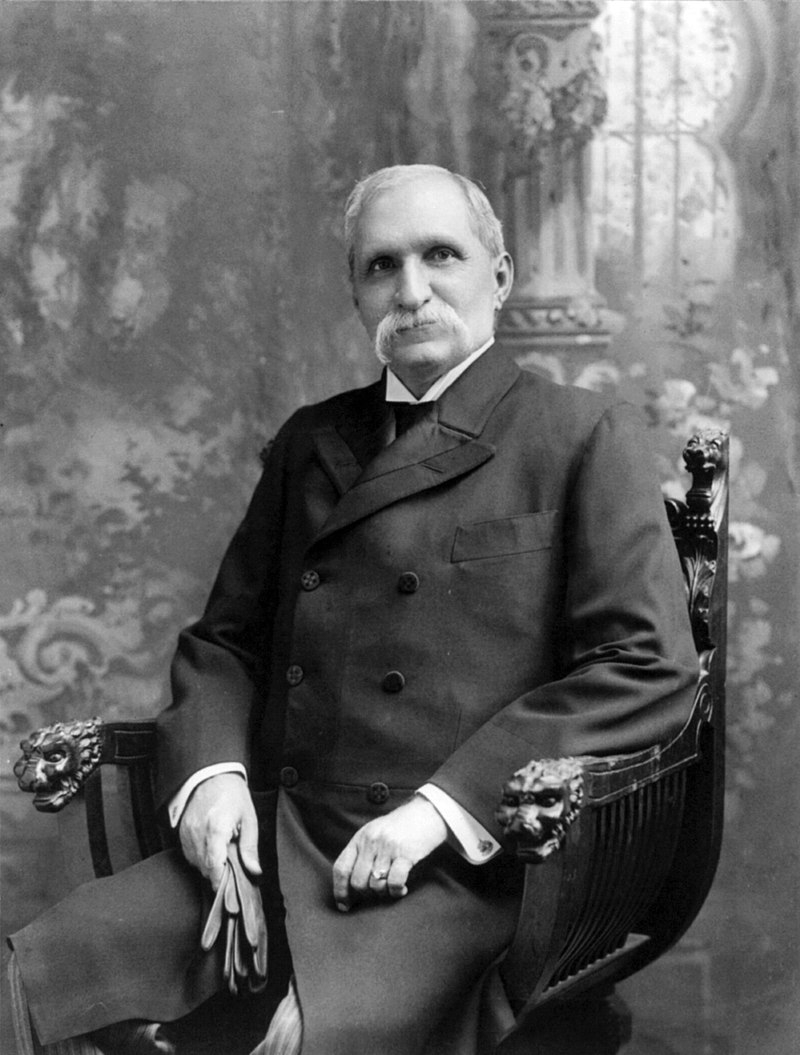
José Domingo de Obaldía, a prominent figure in Panama's political landscape, assumed the presidency in March 1910 with the backing of the National Liberal Party. Tragically, just 1 year and 5 months into his term, he passed away while still in office. His untimely death left a void in the country's leadership, prompting a need for a successor to carry on his political agenda.
Obaldía's brief but impactful time in office was marked by efforts to address key issues facing Panama during that period. His sudden death left many of his initiatives incomplete, leaving his supporters mourning the loss of a visionary leader.
The National Liberal Party, to which Obaldía belonged, faced the challenge of finding a suitable replacement to guide the nation forward in the wake of his passing. The political landscape shifted as the country mourned the loss of a leader who had shown great promise during his short time in office.
José Domingo de Obaldía's legacy persisted beyond his death, with his contributions to Panama's political arena remembered by many. His time in office, though cut short, left a lasting impact on the country's history.
#JoséDomingoDeObaldía #PanamaPresident #NationalLiberalParty #PoliticalLegacy
View details1904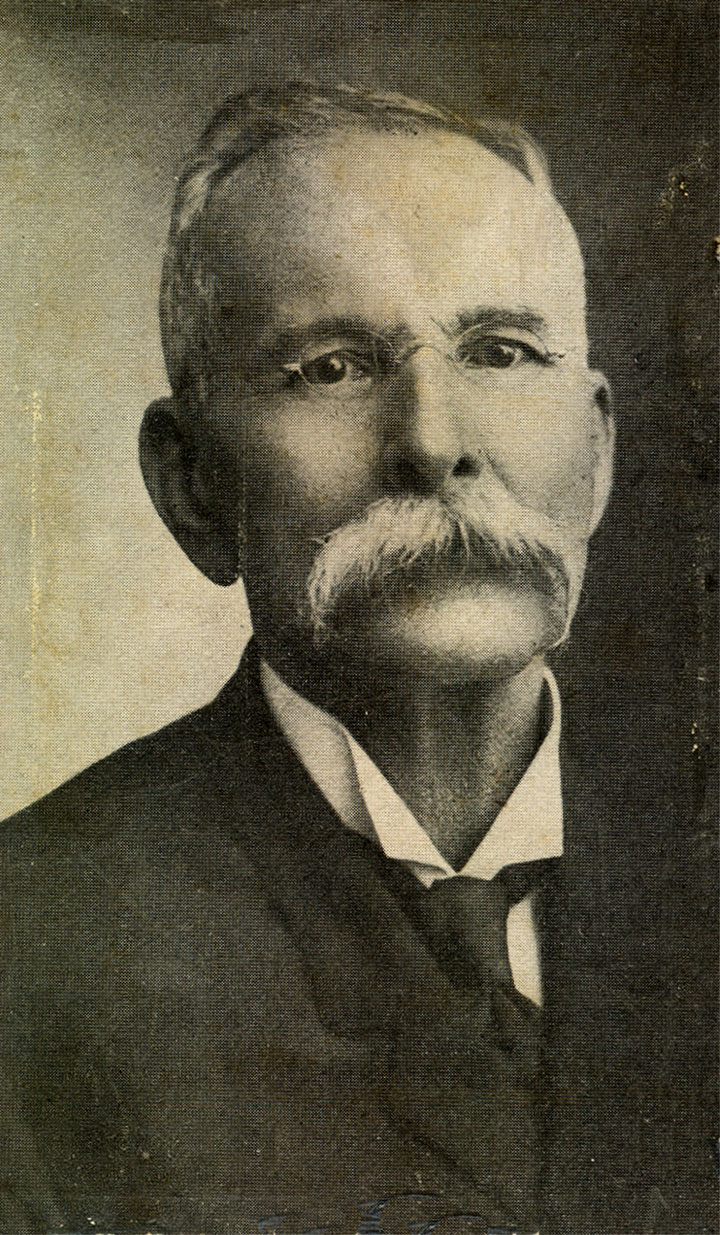
Manuel Amador Guerrero, born in 1833, served as the President of Panama from 1904 to 1907, representing the Conservative Party. His time in office was marked by notable achievements that impacted Panama's trajectory. Amador Guerrero played a pivotal role in the declaration of Panama's independence from Colombia, solidifying the nation's sovereignty. Under his leadership, Panama saw advancements in infrastructure, healthcare, and education.
During his presidency, Amador Guerrero prioritized economic development, fostering trade relationships that bolstered Panama's economy. His administration worked towards fortifying Panama's position on the world stage through diplomatic efforts and strategic alliances. Amador Guerrero's policies laid the groundwork for Panama's future growth and stability.
Beyond his political accomplishments, Amador Guerrero was revered for his integrity and dedication to public service. His legacy endures in Panama's history as a visionary leader who navigated the young nation through significant transformations. The impact of his presidency resonates in Panama's continued progress and prosperity.
#ManuelAmadorGuerrero #PresidentofPanama #ConservativeParty #PanamaIndependence #EconomicDevelopment #Legacy
View details1903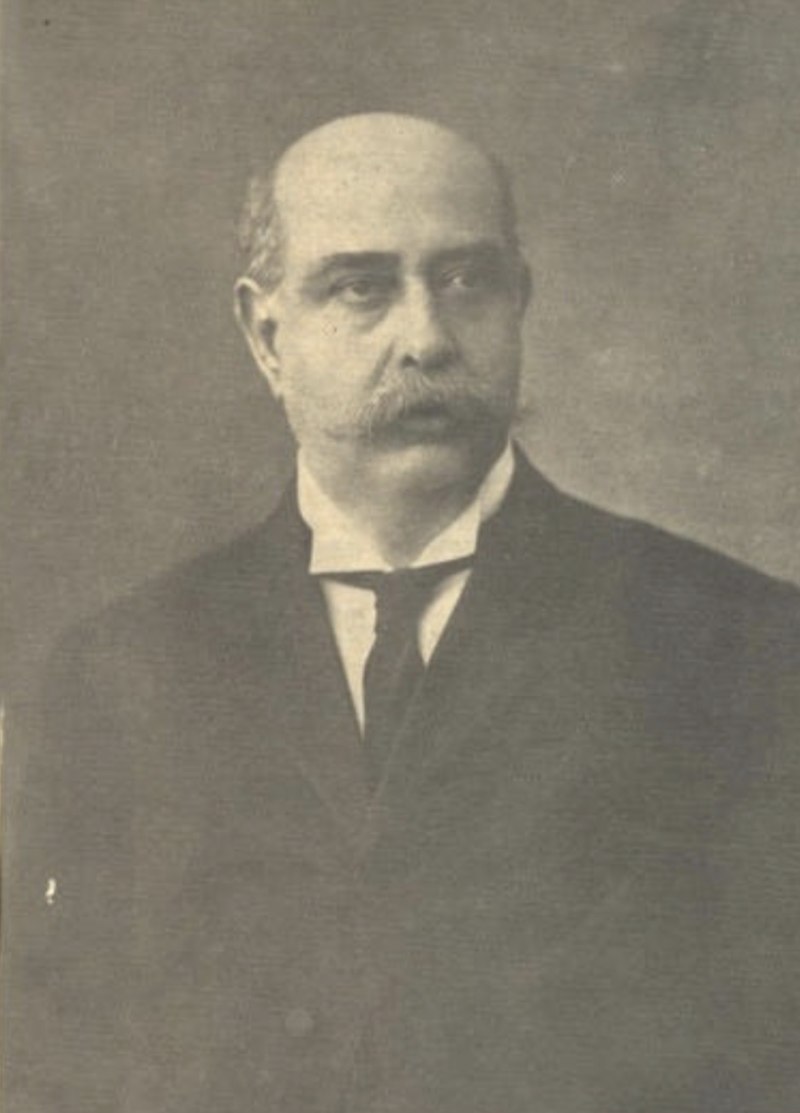
Manuel Espinosa Batista, born in 1857 and passing in 1919, was a member of the National Liberal Party who briefly served as part of the Provisional Government Junta. During his 28-day tenure, the Junta faced challenges in stabilizing the political environment of Panama after the resignation of the previous government.
Espinosa Batista, alongside other members of the Junta, played a crucial role in maintaining order and continuity during the transition period. Despite the short duration of his time in office, the decisions made by the Provisional Government had a lasting impact on the political landscape of the country.
Their leadership helped to pave the way for future developments in Panama, setting the stage for further reforms and progress. The National Liberal Party's involvement in the Provisional Government reflected their influence and agenda at the time.
This event marked a significant moment in Panama's history, showcasing the resilience and adaptability of its political institutions in times of change and uncertainty. The actions of Manuel Espinosa Batista and his colleagues underscored the importance of effective governance and collaboration in steering the nation through challenging circumstances. #ManuelEspinosaBatista #NationalLiberalParty #PanamaGovernment
View detailsDemetrio H. Brid, President of the Municipal Council of Panama and de facto President in 1903. Brid served for a brief period of one day before resigning from office. While his time in power was short-lived, Brid's influence was felt during a critical period in Panama's history. As a member of the Conservative Party, he navigated the complex political landscape of the time.
Brid's presidency came during a time of political upheaval, with Panama on the brink of declaring independence from Colombia. His leadership, albeit brief, played a role in shaping the events that would lead to Panama's separation. The transition from Spanish rule to Colombian control had left Panamanians discontent, paving the way for figures like Brid to seek change.
Despite his short tenure, Brid's actions set the stage for Panama's eventual independence. His brief presidency marked a crucial juncture in the country's history, as it moved towards autonomy and self-governance. The significance of his role as a de facto leader during this pivotal moment should not be understated.
Brid's legacy is tied to the dawn of a new era for Panama, one characterized by independence and self-determination. His brief presidency left an indelible mark on the country's trajectory, underscoring the importance of leadership during times of transition and change. #PanamaHistory #Independence #PoliticalTransition
View details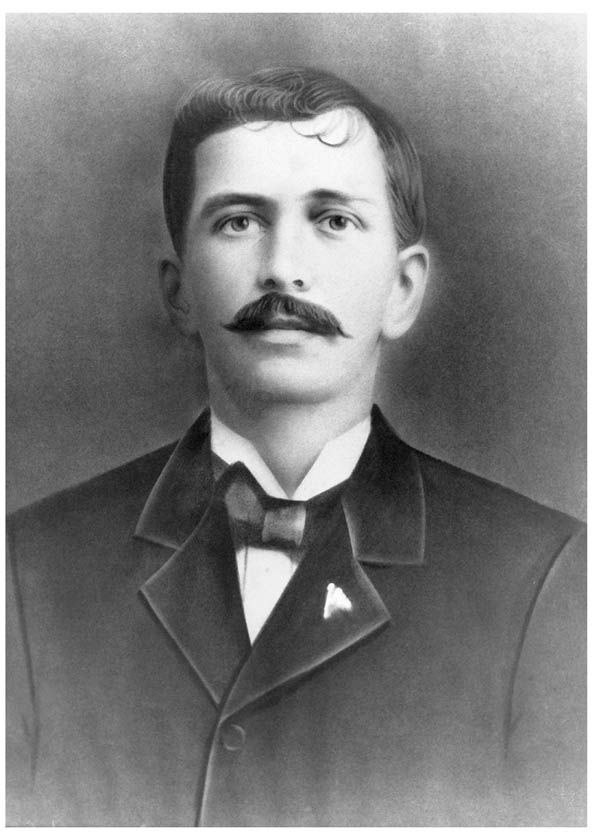
1841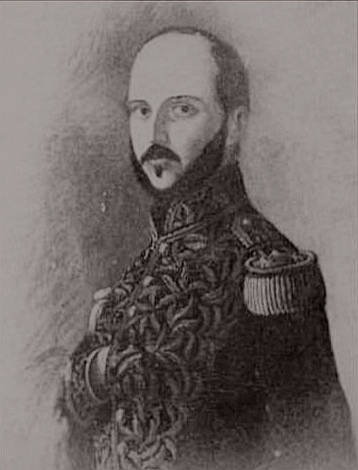
Tomás de Herrera, the President of the Free State of the Isthmus, faced a tumultuous term that lasted 206 days. His short-lived presidency was marked by efforts to maintain the autonomy of the Isthmus amidst increasing pressures from neighboring countries. Herrera's leadership was crucial during a period of political instability, as he worked to navigate complex diplomatic relationships and internal factions vying for power.
Despite his brief time in office, Herrera's presidency left a lasting impact on the trajectory of the Free State of the Isthmus. His efforts to uphold the sovereignty of the region in the face of external pressures demonstrated his commitment to defending the interests of the Isthmus and its people. Herrera's tenure as President reflected the challenges of governing a young nation striving to assert its independence in a geopolitically volatile environment.
Herrera's legacy as President of the Free State of the Isthmus serves as a testament to his dedication to upholding the sovereignty and autonomy of the region. His brief but impactful presidency laid the groundwork for future leaders to continue the fight for independence and self-governance.
#TomásDeHerrera #PresidentOfPanama #IsthmusAutonomy #PoliticalInstability #DiplomaticChallenges.
View detailsIn March 1841, the Superior Chief of State, Tomás de Herrera, assumed leadership over the Free State of the Isthmus for a brief period of 80 days. Herrera, born in 1804, held office until 8-Jun-1841, leaving a short but impactful legacy. During his time in power, he made significant contributions to the governance of the region.
Herrera's leadership as the head of the State of Panama marked a crucial moment in the political landscape of the Isthmus. Despite his relatively short tenure, his decisions and policies had a lasting effect on the state's direction. His determination and vision for a free and independent Panama set the foundation for future leaders to build upon.
Under Herrera's leadership, the Free State of the Isthmus experienced a period of relative stability and progress. His dedication to advocating for autonomy and self-governance resonated with the people, earning him respect and admiration.
The legacy of Tomás de Herrera, as the Superior Chief of State, lives on as a pivotal chapter in the history of Panama's governance. His actions during his time in office continue to shape the political landscape of the region, inspiring generations to uphold the values of independence and self-determination. #Panama #Independence #Legacy
View details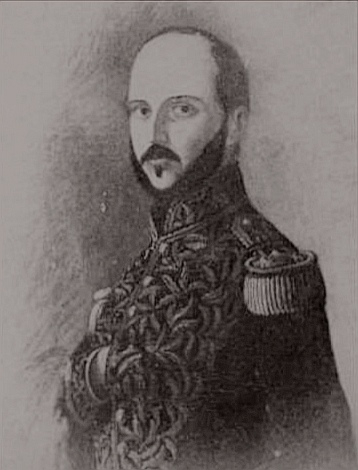
1840
In November 18, 1840, Juan López assumed the role of Superior Civil Chief in the Free State of the Isthmus. He held office for 122 days until his resignation on March 20, 1841. López's term was brief but significant, as he played a crucial role in governing the region during a time of political uncertainty. As the head of the state, he faced numerous challenges, including navigating power struggles and maintaining law and order.
López's leadership as Superior Civil Chief left a lasting impact on the Free State of the Isthmus. His tenure exemplified a period of transition and transformation for the region, as it sought to assert its autonomy and establish effective governance. Despite the brevity of his term, López's efforts laid the groundwork for future leaders to continue shaping the trajectory of the state.
Overall, Juan López's brief but impactful time in office as Superior Civil Chief during the early 1840s marked a critical juncture in the history of the Free State of the Isthmus, setting the stage for further developments and shaping the political landscape of the region. #JuanLópez #PanamaHistory #StateGovernance
View details