
President of the Republic of Panama

Head of the State
About
#PresidentPanama
#HeadOfState
#PanamaLeader
Life Classification
Country
Life ID
EL4546550372573
Verified Name
presidentofpanama
Life Type
Entity Life
Life Editor(s)
History Editorial Network (HEN)
Life Privacy
Public
Subscription
Elite
Created On
2024-04-30
Updated On
2025-12-19
Connect
Related Lives

Turkey
The Land of Singing Trees
Angola
Land of contrasts, from bustling cities to breathtaking landscapes.
Roman Republic
Res Publica Romana
Liechtenstein
The Jewel of the Alps
President of the Italian Republic
Head of State

Georgia
The Crossroads of Europe and Asia
Afghanistan
The Jewel of Central Asia

Norway
Land of Fjords and Northern Lights

2019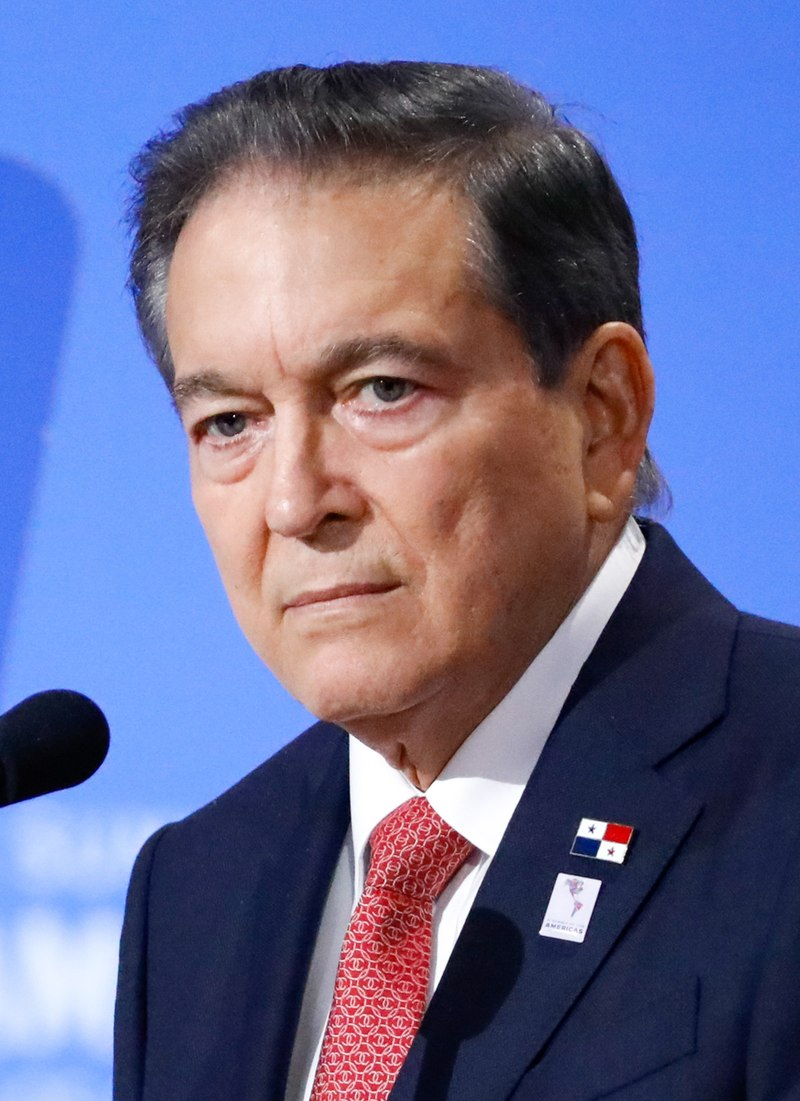
Laurentino Cortizo, born in 1953, assumed office as the President of Panama representing the Democratic Revolutionary Party. Cortizo's presidency marks a crucial moment in Panama's political landscape, as he leads the nation through various economic and social challenges. #LaurentinoCortizo #PanamaPresident #DemocraticRevolutionaryParty
View details2014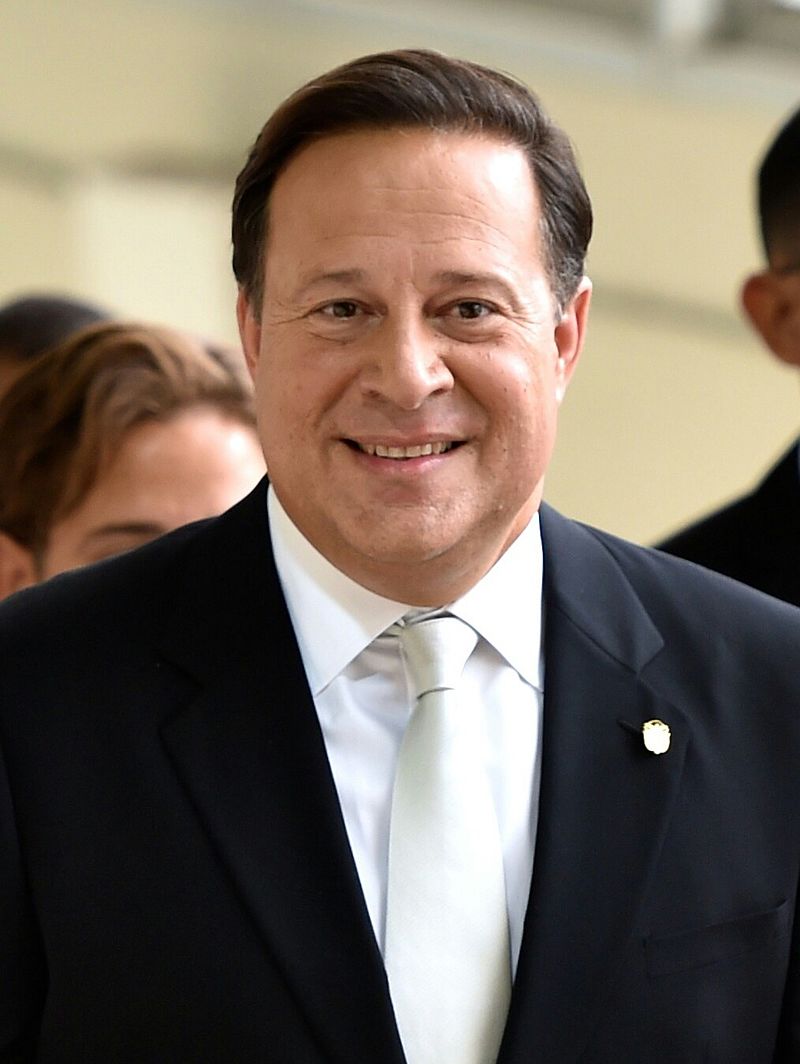
Juan Carlos Varela, born in 1963, served as the President of Panama for 5 years until 2019, representing the Panameñista Party. During his tenure, Varela focused on combating corruption, improving transparency, and expanding social programs. One of his significant achievements was the implementation of a new public procurement system to ensure accountability in government spending. Under his leadership, Panama experienced steady economic growth and infrastructure development, including the expansion of the Panama Canal.
Varela's administration also made strides in diplomatic relations, enhancing Panama's standing on the international stage. He played a key role in mediating conflicts in the region and promoting cooperation among Latin American countries. His efforts to strengthen alliances with the United States and China contributed to Panama's position as a strategic partner in global affairs.
Upon leaving office in 2019, Varela continued to be involved in public service and advocacy work, focusing on issues such as education and environmental conservation. His legacy as a reformer and consensus-builder in Panamanian politics has endured, setting a precedent for future leaders to prioritize good governance and cooperation for the benefit of the country. #Panama #President #Reform #Diplomacy
View details2009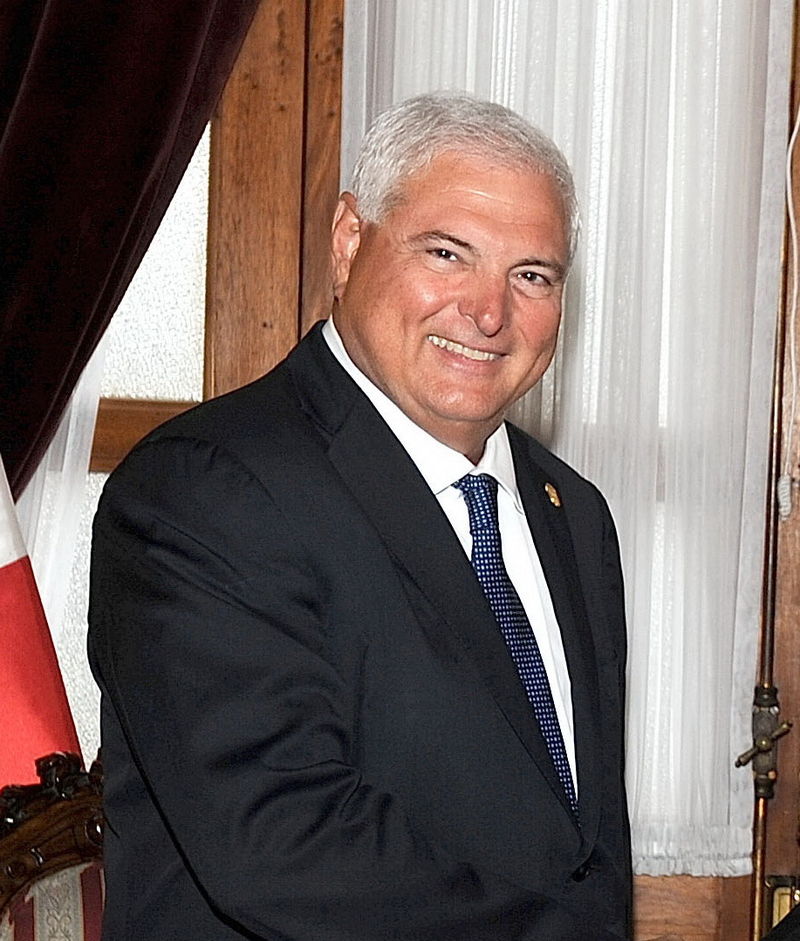
Ricardo Martinelli, born in 1952, assumed office on July 1, 2009, as the President of Panama representing the Democratic Change party. His tenure lasted 5 years until 2014. Martinelli's presidency was marked by economic growth initiatives and infrastructure development projects, including the expansion of the Panama Canal. However, his administration faced criticism for corruption allegations and issues related to freedom of the press.
During his time in office, Martinelli implemented social programs aimed at improving the lives of Panamanian citizens, particularly in healthcare and education. His government also focused on attracting foreign investment to boost the country's economy. Additionally, Martinelli's policies aimed to strengthen Panama's position as a regional business hub and promote international trade.
Despite these achievements, accusations of corruption and authoritarian tendencies tarnished Martinelli's legacy. After leaving office, legal troubles followed him, including charges of embezzlement and illegal wiretapping. These controversies have continued to shape the public perception of his presidency and his impact on Panama's political landscape.
#RicardoMartinelli #PanamaPresident #DemocraticChange #InfrastructureDevelopment #CorruptionAllegations
View details2004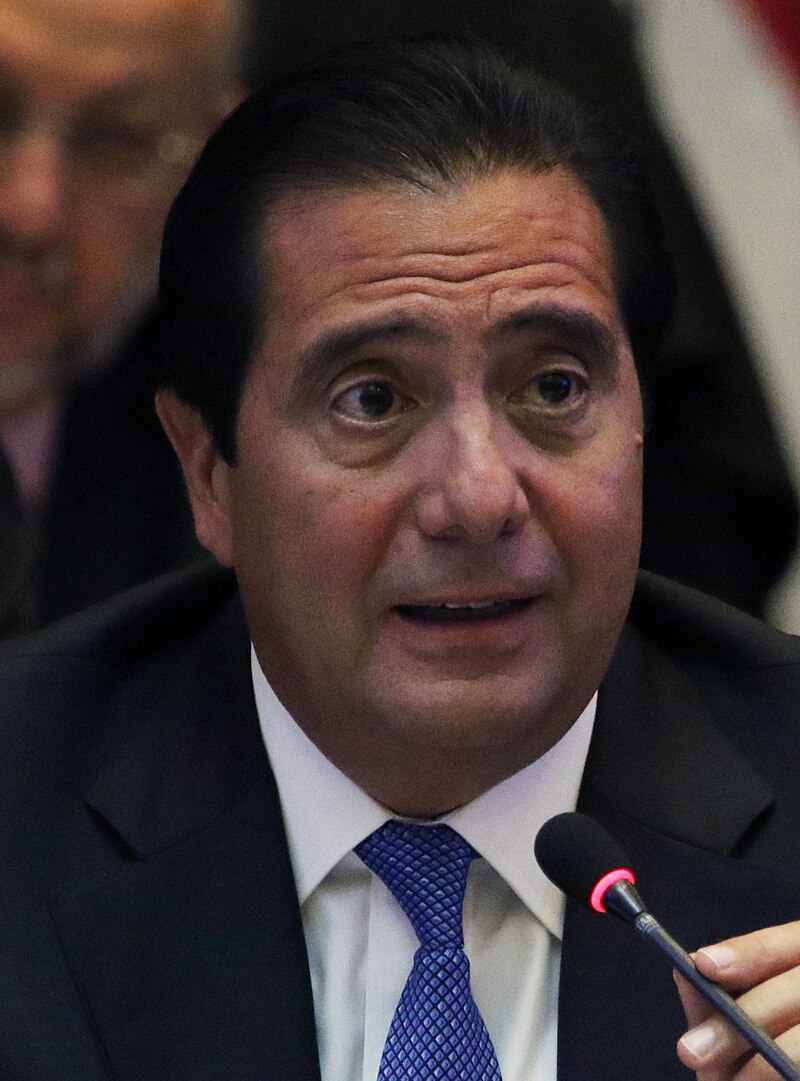
Martín Torrijos, son of former Panamanian leader Omar Torrijos, assumed office as the President of Panama in 2004, representing the Democratic Revolutionary Party. Torrijos served for nearly five years, leaving office in 2009. During his tenure, he focused on promoting social programs, infrastructure development, and enhancing Panama's global standing. Torrijos' presidency saw economic growth and stability, as well as an increased emphasis on social welfare initiatives. His leadership was marked by efforts to strengthen ties with neighboring countries and attract foreign investment to Panama.
As the head of state, Torrijos continued his father's legacy while establishing his own mark on Panama's political landscape. His background as the son of a prominent leader brought both expectations and scrutiny during his presidency. Torrijos' tenure was characterized by efforts to modernize the country's infrastructure and improve living standards for its citizens. His leadership style was often seen as pragmatic and inclusive, aiming to bridge divides within the Panamanian society.
Overall, Martín Torrijos' presidency left a lasting impact on Panama's development trajectory, with a focus on economic progress, social welfare, and international relations. His legacy continues to influence the country's political landscape and policy priorities today.
#MartínTorrijos #PanamaPresident #DemocraticRevolutionaryParty #OmarTorrijos #InfrastructureDevelopment #SocialPrograms
View details1999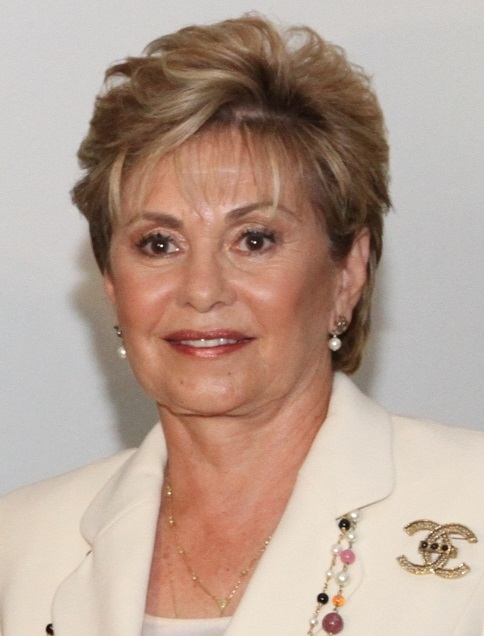
In 1999, Mireya Moscoso assumed the position of President of Panama after winning the elections. She was a member of the Panameñista Party and succeeded Ernesto Pérez Balladares. Moscoso's political career was influenced by her marriage to Arnulfo Arias, a former President of Panama. During her five years in office, she focused on economic growth, social welfare programs, and strengthening democratic institutions in the country.
Moscoso's administration implemented various reforms to improve education, healthcare, and infrastructure, aiming to enhance the overall quality of life for Panamanian citizens. She also worked to combat corruption and promote transparency in government affairs. Moscoso's leadership style was characterized by a strong commitment to democracy and the rule of law.
As the first female President of Panama, Moscoso made history and served as a role model for women in politics. Her tenure marked a significant milestone in the country's political landscape, demonstrating that women could hold the highest office and effectively govern a nation. Moscoso's legacy continues to inspire future generations of female leaders in Panama and beyond.
#MireyaMoscoso #PresidentofPanama #PanameñistaParty #WomeninPolitics #Democracy
View details1994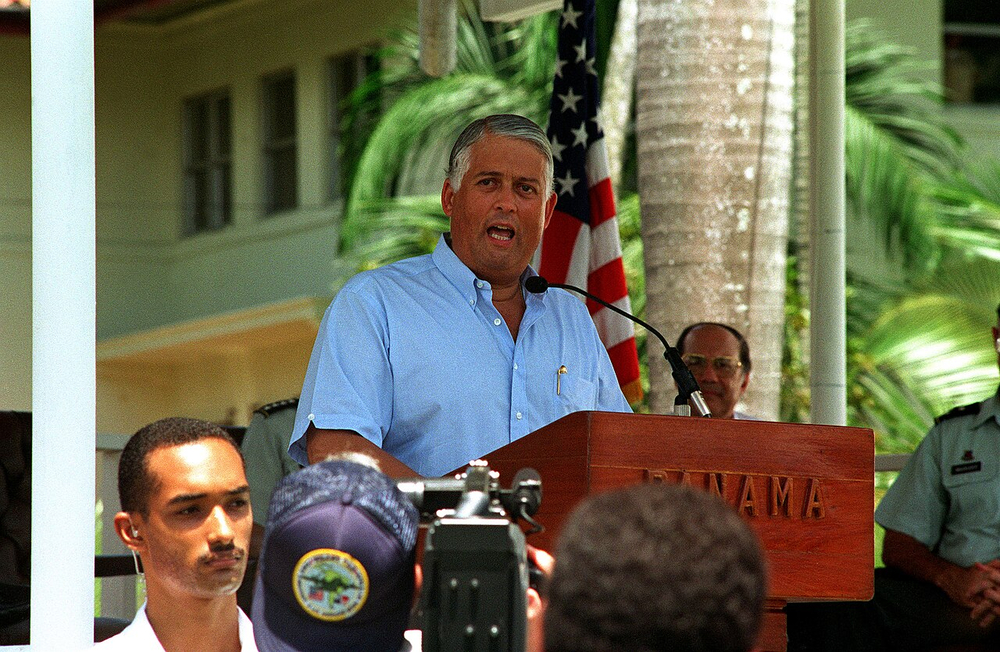
Ernesto Pérez Balladares, born in 1946, assumed office as the President of Panama representing the Democratic Revolutionary Party. He served for five years until September 1, 1999. During his term, Balladares focused on modernizing Panama's economy, attracting foreign investment, and improving the country's infrastructure.
One of his most notable achievements was the privatization of state-owned companies, aiming to stimulate economic growth and efficiency. He also worked towards strengthening Panama's international relations, particularly with the United States, fostering cooperation in various areas.
Balladares' presidency was marked by economic growth and stability, boosting Panama's position in the global market. His policies laid the groundwork for future development and positioned Panama as a key player in the region.
Following his term, Balladares remained active in political circles, continuing to advocate for economic reforms and progressive policies in Panama. His legacy is remembered for its focus on economic progress and modernization, leaving a lasting impact on the country's trajectory.
#ErnestoPérezBalladares #PanamaPresident #EconomicReforms #Modernization #ForeignInvestment
View details1989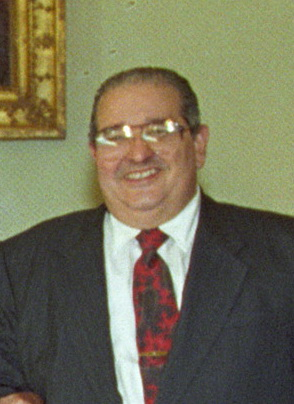
Guillermo Endara, a member of the Panameñista Party, served as the President of Panama from 1989 to 1994. On December 20, 1989, Endara's presidency faced a turbulent beginning when he was declared the winner of the elections, but the results were nullified by the incumbent military government. The United States then intervened, leading to Operation Just Cause, which removed General Manuel Noriega from power and installed Endara as the rightful president.
Endara's term in office saw efforts to stabilize the country's economy and restore democratic institutions. However, his administration faced challenges, including corruption scandals and social unrest. Throughout his presidency, Endara advocated for human rights and worked to strengthen ties with the United States.
Endara's leadership during a critical period in Panama's history, with the ousting of a dictator and the restoration of democracy, left a lasting impact on the country. His commitment to democratic principles and his efforts to rebuild Panama's institutions earned him respect both at home and abroad.
#GuillermoEndara #PanamaPresident #OperationJustCause #DemocracyRestoration
View detailsIn 1989, Francisco Rodríguez assumed the role of Provisional President of Panama during a tumultuous period marked by a coup attempt. He belonged to the Democratic Revolutionary Party and held office for a mere 3 months and 19 days. His leadership was abruptly cut short when the United States intervened and deposed him in an invasion. At the time, Panama was in a state of political instability and faced significant challenges, with Rodríguez's presidency becoming a casualty of the turbulent times.
Rodríguez's brief tenure as the country's leader was overshadowed by external intervention and internal strife, illustrating the fragile political landscape of Panama during that period. His legacy is intertwined with the complex web of events surrounding the 1989 coup attempt and the subsequent U.S. intervention, reflecting a chapter of uncertainty and unrest in the nation's history.
The episode involving Francisco Rodríguez encapsulates the fragility of political power during times of crisis, serving as a reminder of the ripple effects of external interference in a nation's governance. #Panama #PoliticalUnrest #ProvisionalPresident #CoupAttempt
View details1988
Manuel Solís Palma, who served as the Acting President of Panama for 1 year and 6 months, was a member of the Democratic Revolutionary Party. His time in office began in September 1989, following a period of political turmoil in the country. Palma's presidency was marked by efforts to stabilize the nation and restore order after the ousting of the previous leader.
Despite his relatively short term, Palma played a key role in steering Panama through a challenging period. His leadership was characterized by a focus on reconciliation and unity, aiming to bring together diverse factions within the country. Palma's tenure saw efforts to rebuild institutions and promote democratic values, setting the stage for a transition to a more stable political environment.
Palma's legacy as Acting President remains one of a unifier, leading Panama through a turbulent time and laying the groundwork for future progress. His dedication to restoring stability and promoting democracy has left a lasting impact on the country's political landscape.
#ManuelSolisPalma #ActingPresident #PanamaHistory #PoliticalStability #DemocraticValues
View details1985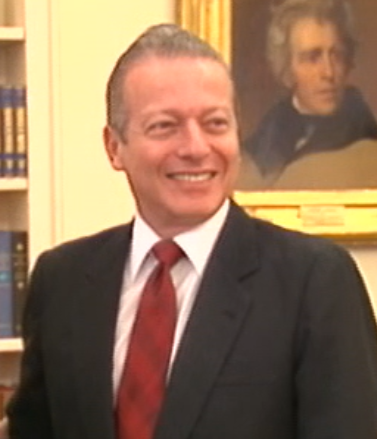
Eric Arturo Delvalle assumed office as the Acting President of Panama following the removal of President Nicolás Ardito Barletta in a political shake-up. Delvalle, a member of the Republican Party, took on the role during a tumultuous period in Panama's history. His time in office lasted 2 years and 5 months, marked by efforts to bring stability to the country.
Despite his brief tenure, Delvalle's impact on Panama's political landscape was significant. He faced challenges and opposition during his presidency, as he sought to navigate the complexities of governing a nation in transition. As Acting President, he made decisions that shaped the direction of the country during a critical juncture.
Delvalle's legacy as Acting President of Panama is remembered for his commitment to upholding the country's democratic principles and working towards national reconciliation. His leadership during a time of uncertainty and change left a lasting impression on Panama's political history.
#EricArturoDelvalle #ActingPresident #RepublicanParty #PanamaPolitics #Leadership
View details1984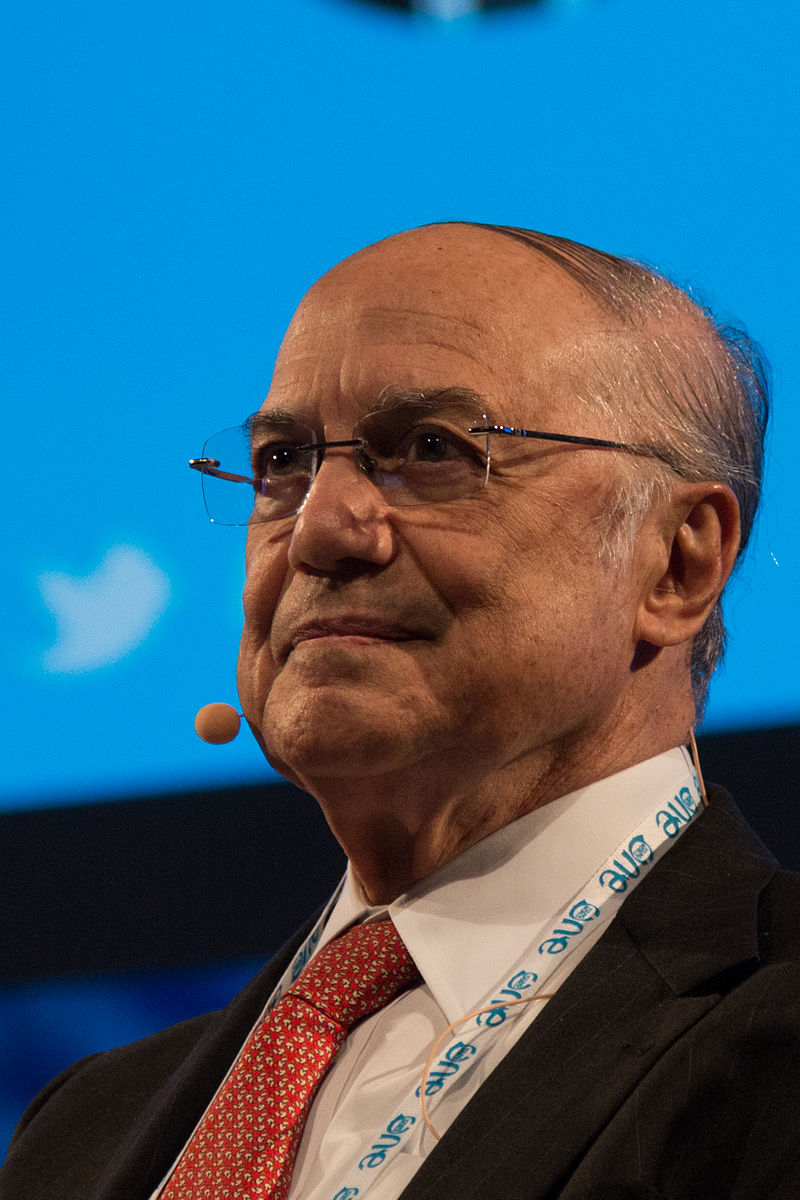
Nicolás Ardito Barletta Vallarino, a member of the Democratic Revolutionary Party, served as the President of Panama for 11 months. His time in office was marked by economic challenges, including high inflation and a growing national debt. Despite efforts to stabilize the economy, Barletta faced criticism for his handling of the financial crisis. His presidency came to an end on September 28, 1985, when he resigned amid mounting pressure.
Barletta's brief tenure as president had a lasting impact on Panama's political landscape, contributing to a period of instability and uncertainty. His resignation sparked political unrest and further economic turmoil, setting the stage for future leaders to grapple with the country's financial woes.
The legacy of Nicolás Ardito Barletta Vallarino remains a topic of debate among historians and political analysts, with some viewing his presidency as a missed opportunity for reform, while others see it as a cautionary tale about the challenges of governing during times of crisis.
#Panama #President #PoliticalCrisis #EconomicChallenges
View detailsOn the day of the event, Jorge Illueca, the President of Panama, resigned from his position after just 8 months in office. Illueca, born in 1918, had a background as a lawyer and diplomat before assuming the presidency. His tenure, marred by political turmoil and economic challenges, saw him facing criticism and pressure to step down.
His resignation marked the end of his brief presidency as an Independent candidate. Illueca's departure from office in October 1984 had a significant impact on Panama's political landscape, leading to a period of uncertainty and transition.
Despite his short time in power, Illueca's legacy remains mixed, with some praising his efforts to address internal issues while others criticized his handling of external relations. His resignation reflected the complexities of governance in Panama during that period.
The event underscored the fragility of leadership in times of upheaval and showcased the volatility of political dynamics in the region. Illueca's departure left a void that would need to be filled by the next leader to navigate Panama through its challenges.
#JorgeIllueca #PanamaPresident #PoliticalResignation #PresidentialLegacy
View details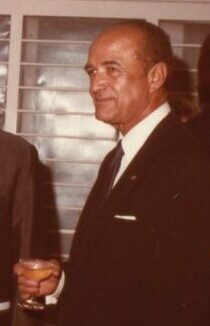
1983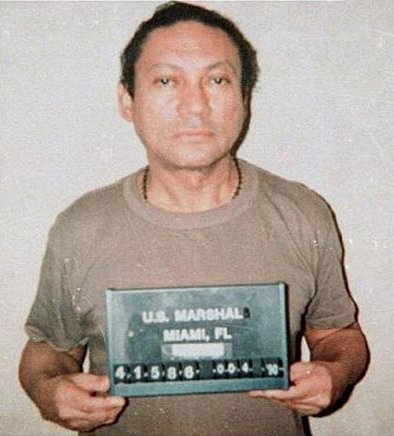
On the day of the event, Manuel Noriega, a General in the Panamanian National Guard, assumed a new role as a key figure in the Panama Defense Forces. Throughout his military career, Noriega rose to power, eventually styling himself as the Maximum Leader of the National Liberation. His influence grew until 20-Dec-1989 when he was deposed during a US invasion after over 6 years in office.
Noriega's leadership was marked by controversy, with his regime accused of corruption and human rights violations. Despite his notable affiliation with the military, his reign came to an abrupt end as a result of international intervention. The event on 8/12/1983 played a pivotal role in shaping Noriega's trajectory towards becoming a significant, yet polarizing, figure in Panama's history.
The legacy of Manuel Noriega is a complex one, with some viewing him as a patriotic leader while others remember him as a dictator. His involvement in the military and political spheres left a lasting impact on Panama's history, showcasing the intricate relationship between power, corruption, and foreign intervention. #ManuelNoriega #MilitaryLeader #Panama #USInvasion #ControversialLegacy
View details1982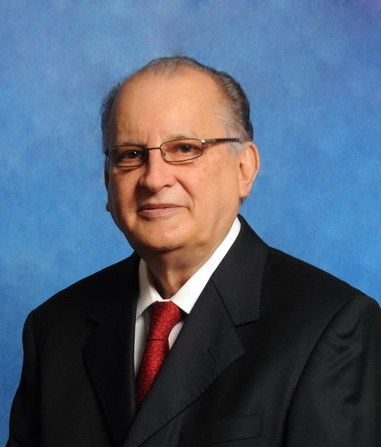
Ricardo de la Espriella, a member of the Democratic Revolutionary Party, assumed the role of President of Panama on 13-Feb-1984. He held office for 1 year and 7 months, resigning from his position midway through his term. Ricardo de la Espriella's brief tenure as President left a mark on the political landscape of Panama. His leadership style and policies influenced the direction of the country during his time in office. Despite his short time in power, his decisions and actions had a lasting impact on the government and its people. Ricardo de la Espriella's presidency was characterized by political challenges and internal strife within the Democratic Revolutionary Party. His resignation marked the end of a tumultuous period in Panama's political history. The legacy of Ricardo de la Espriella's presidency continues to be a topic of interest and discussion among historians and political analysts. #RicardoDeLaEspriella #PanamaPresident #DemocraticRevolutionaryParty #PoliticalLegacy.
View details1978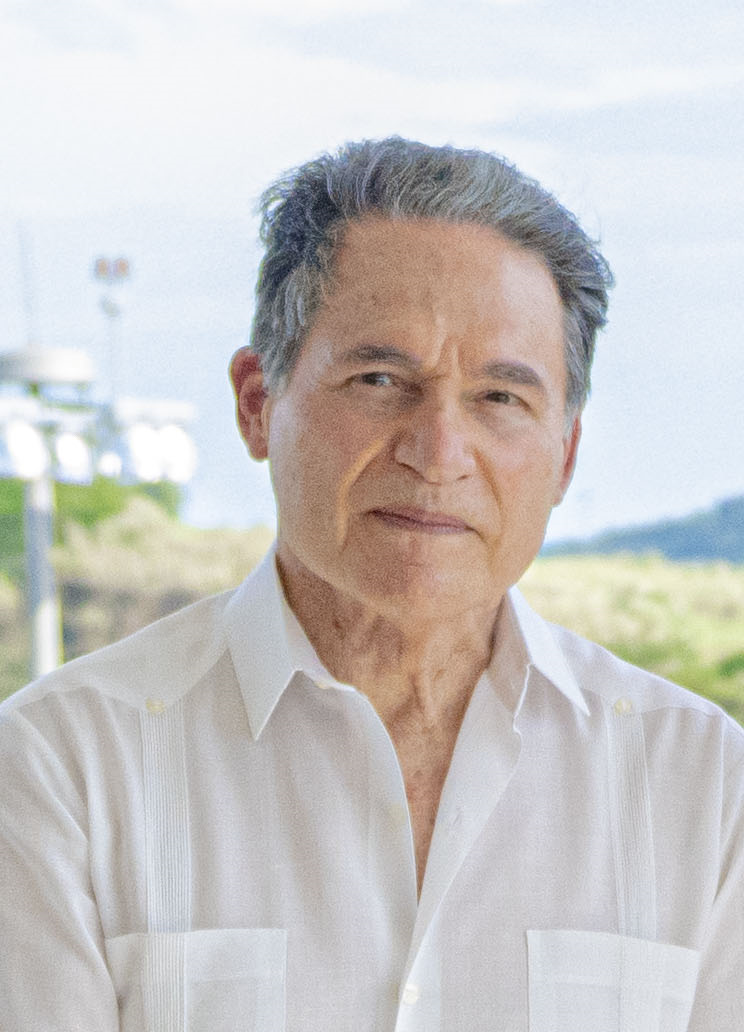
On 10/11/1978, Aristides Royo, a member of the Democratic Revolutionary Party, assumed the role of President of Panama. He led the country for a tenure of 3 years and 9 months until his departure on 31-Jul-1982. Born in 1940, Royo's time in office was marked by various political and social challenges.
During his presidency, Royo focused on economic policies and foreign relations. His leadership style was characterized by pragmatism and a commitment to improving the country's infrastructure. Royo's tenure also saw Panama navigating through a period of regional instability and diplomatic tensions.
Royo's legacy is mixed, with some praising his efforts to modernize Panama's economy and strengthen international ties, while others criticize his handling of internal affairs. His presidency came at a crucial time for Panama, as the country grappled with social, economic, and political issues.
Overall, Aristides Royo's term as President of Panama left a lasting impact on the country's development and place in the global community. His tenure continues to be studied and debated by historians and political analysts alike.
#Panama #President #DemocraticRevolutionaryParty #EconomicDevelopment
View details1972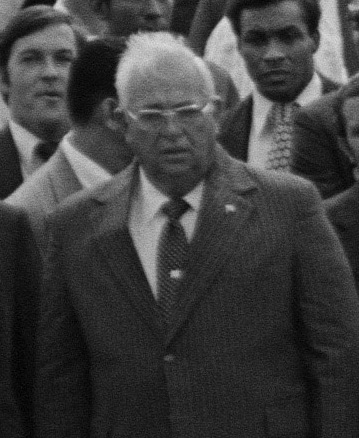
Demetrio B. Lakas was born in 1925 and passed away in 1999. He served as the President of Panama from October 11, 1972. Lakas was a member of the Independent political party.
During his six years in office, Lakas implemented various social and economic reforms to improve the country's infrastructure and promote development. His administration focused on addressing poverty, expanding healthcare services, and boosting the economy through investments in key sectors.
Lakas' leadership was marked by stability and a commitment to national progress. Despite being an Independent candidate, he managed to garner support from across the political spectrum and was widely respected for his dedication to serving the people of Panama.
His tenure saw advancements in education, healthcare, and public services, laying the groundwork for future growth and prosperity. Lakas' legacy as President continues to be recognized for his contributions to Panama's development and his efforts to improve the standard of living for all citizens.
#DemetrioBLakas #PresidentofPanama #PanamaDevelopment #IndependentParty
View details1968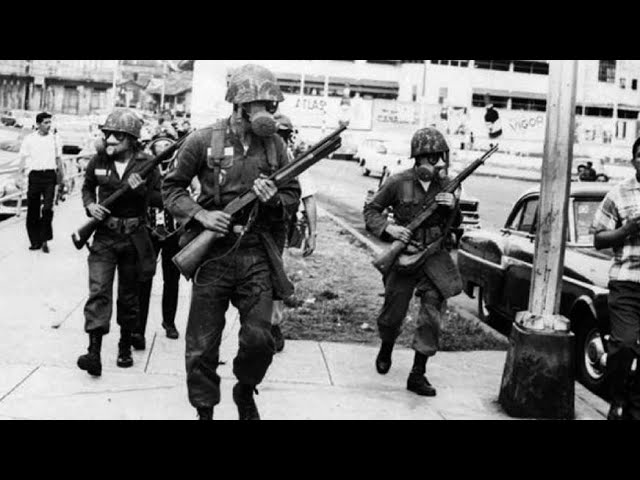
José María Pinilla Fábrega, born in 1919, was a key figure in Panama's political history. He served as the Chairman of the Provisional Junta, representing the Military (National Guard). His brief tenure in office lasted 1 year and 2 months, ending on 18-Dec-1969.
Pinilla Fábrega's leadership during this time was marked by efforts to stabilize the political situation in Panama. As the head of the Junta, he played a crucial role in transitioning the government during a period of significant change and uncertainty. Despite the relatively short duration of his time in office, Pinilla Fábrega's actions had a lasting impact on the country's political landscape.
His legacy as Chairman of the Provisional Junta remains an important chapter in Panama's history. The leadership demonstrated by Pinilla Fábrega during this transitional period helped pave the way for future developments in the country's governance.
#JoséMaríaPinillaFábrega #ProvisionalJunta #PanamaHistory #TransitionalLeadership #NationalGuard
View detailsOmar Torrijos assumed power in 1968 after a successful coup d'état, becoming the Maximum Leader of the Panamanian Revolution. As a Brigadier-General in the National Guard, he wielded considerable influence over Panama for over a decade. Torrijos implemented social and economic reforms, aiming to reduce inequality and improve living conditions for the population.
His reign saw the negotiation of the Torrijos-Carter Treaties with the United States, which eventually led to the transfer of the Panama Canal back to Panamanian control. Despite his authoritarian rule, Torrijos garnered support for his nationalist policies and anti-imperialistic stance.
Tragically, Torrijos' life was cut short in 1981 when he was killed in an air crash. His death marked the end of an era for Panama, leaving a void in leadership and stirring controversy and speculation surrounding the circumstances of the crash.
Omar Torrijos' legacy continues to be a topic of debate in Panama, with some viewing him as a revolutionary hero and others as a dictator. His impact on the country's history, particularly in relation to the Panama Canal and social reforms, remains significant to this day. #Panama #MilitaryLeaders #Revolutionaries
View details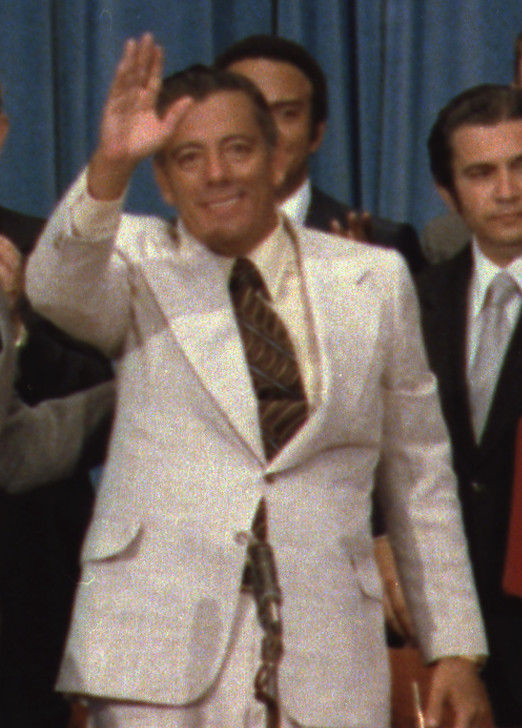
1964
Marco Aurelio Robles, a member of the National Liberal Party, served as the President of Panama for four years until he left office on October 1, 1968. Born in 1908, Robles was a key figure in Panamanian politics during the mid-20th century. His leadership was marked by efforts to promote economic development and social welfare in the country. Robles' policies aimed at improving infrastructure, education, and healthcare had a lasting impact on Panama's society.
During his presidency, Robles faced various challenges, including economic instability and social unrest. Despite these difficulties, he made significant strides in advancing Panama's position on the international stage. Robles' tenure also saw advancements in diplomatic relations with other countries, contributing to Panama's growing presence in the global arena.
Upon his departure from office in 1968, Robles left behind a legacy of dedication to public service and commitment to the betterment of his country. His contributions to Panama's development continue to be remembered and celebrated today. #Panama #President #NationalLiberalParty #Legacy
View details1963
Bernardino González Ruiz served as the Acting President of Panama for a brief period of 6 days in March 1963. He was a member of the Democratic Action Party. Ruiz took over the presidential duties during a transition period following the resignation of the incumbent president. His time in office was short-lived, but it marked a significant moment in the political history of Panama.
Ruiz's leadership during those 6 days had limited impact on the country's policies and governance. However, his role as Acting President was crucial in maintaining the continuity of government functions during a period of political change. Despite the brevity of his term, Ruiz fulfilled his duties with diligence and helped pave the way for a smooth transfer of power to the next elected president.
The legacy of Bernardino González Ruiz as Acting President serves as a reminder of the importance of political stability and continuity in times of transition. His brief but significant tenure exemplifies the resilience of Panama's democratic institutions and the dedication of its political leaders to uphold the rule of law.
#BernardinoGonzálezRuiz #PanamaPresident #PoliticalHistory #DemocraticActionParty
View details1956
Ernesto de la Guardia, President of Panama from 1956 to 1960, was a prominent figure in the country's political landscape. Born in 1904, de la Guardia led the National Patriotic Coalition during his term in office. He sought to strengthen Panama's economy and improve social welfare programs. Under his leadership, the country saw advancements in infrastructure and public services.
De la Guardia's presidency was marked by efforts to foster national unity and economic growth. He prioritized diplomatic relations with other nations and worked to modernize Panama's industries. His policies aimed to uplift the living standards of the Panamanian people and promote stability within the region.
Despite facing challenges during his time in office, de la Guardia's commitment to progress and development left a lasting impact on Panama. His administration laid the groundwork for future leaders to continue building a prosperous and unified nation.
#ErnestodelaGuardia #PanamaPresident #NationalPatrioticCoalition #EconomicDevelopment #InfrastructureGrowth #SocialWelfare
View details1955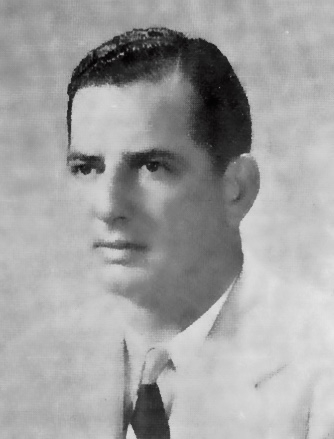
Ricardo Arias assumed office as the President of Panama in 1955, representing the National Patriotic Coalition. His political tenure lasted for a year and a half until he left office in 1956. Arias was born in 1912 and passed away in 1993. Despite a brief time in office, his leadership left a lasting impact on Panama's political landscape. Under his administration, efforts were made to address key national issues and strengthen the country's position in regional affairs.
Arias' legacy is particularly remembered for his dedication to promoting unity and progress within Panama. His commitment to the welfare of the nation and its people resonated throughout his time in office. The National Patriotic Coalition, the political party he represented, continued to uphold his principles in the years that followed. Ricardo Arias remains a revered figure in Panamanian history, revered for his integrity and vision for a better Panama.
#RicardoArias #PanamaPresident #NationalPatrioticCoalition #PoliticalLegacy
View detailsJosé Ramón Guizado, born in 1899, served a brief tenure as the President of Panama. He assumed office in March 1955 as part of the National Patriotic Coalition. His time in office was short, lasting only 2 months and 27 days before leaving in March 1955. Guizado passed away in 1964. His presidency had a limited impact due to its brevity. Guizado's political affiliation with the National Patriotic Coalition shaped his brief term in office, during which he faced challenges that may have affected his ability to enact significant change or leave a lasting legacy. Guizado's presidency remains a minor footnote in Panama's political history, overshadowed by longer-serving leaders. His time in office exemplifies the transient nature of political power and the challenges faced by leaders in achieving meaningful impact within constrained timeframes.
#JoséRamónGuizado #PresidentOfPanama #NationalPatrioticCoalition #PanamanianPolitics
View details1952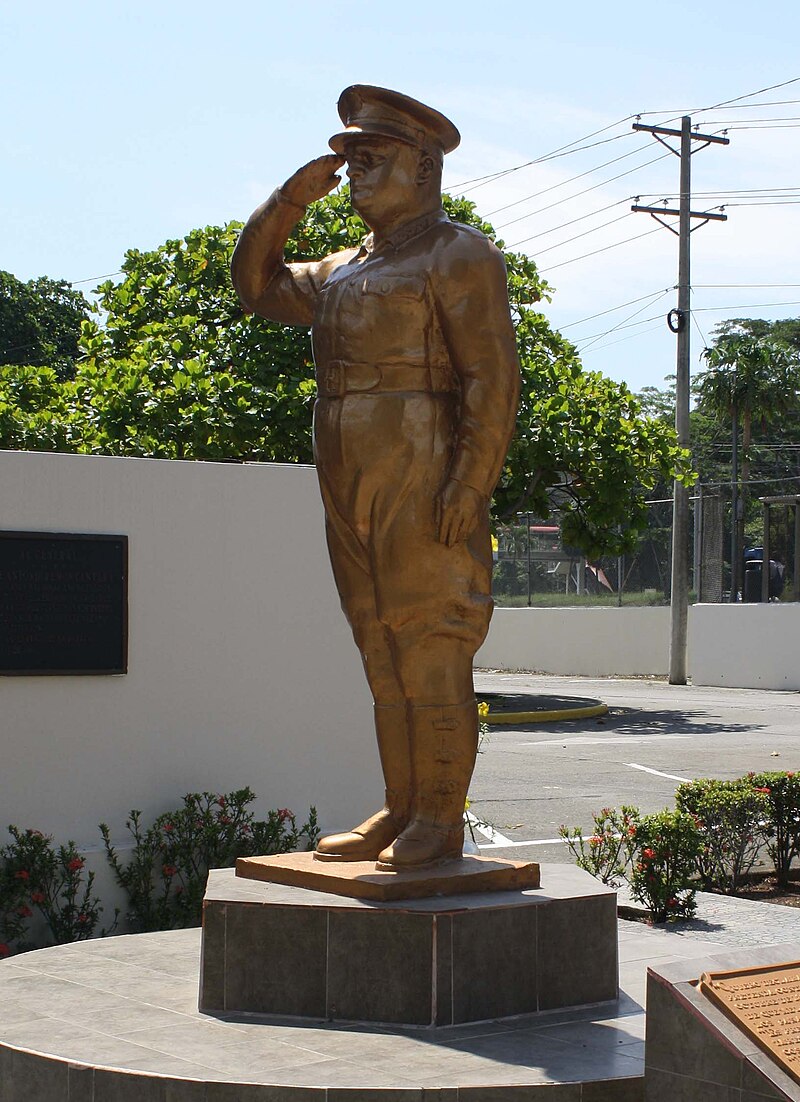
José Antonio Remón Cantera, born in 1908, was a prominent Panamanian political figure who met his untimely demise in 1955. Serving as the President of Panama from the beginning of 1955, he was affiliated with the National Patriotic Coalition. Just two years and three months into his term, Remón Cantera was tragically assassinated.
His assassination not only cut short his tenure but also sent shockwaves through the political landscape of Panama. The circumstances surrounding his death and the potential motives behind it were subjects of intense speculation and inquiry. The loss of Remón Cantera had a lasting impact on the National Patriotic Coalition and the country as a whole, leaving a void in leadership and stirring concern over the stability of the government.
Despite his relatively short time in office, Remón Cantera's assassination marked a dark chapter in Panama's history, raising questions about political violence and security. The events surrounding his death served as a grim reminder of the risks and challenges faced by those in positions of power.
#JoséAntonioRemónCantera #PanamaPresident #Assassination #PoliticalViolence #NationalPatrioticCoalition
View details1951
Alcibíades Arosemena was a significant figure in Panama's political history, serving as the president from October in 1951. Arosemena belonged to the Authentic Revolutionary Party, a group focused on advocating for social justice and economic development in Panama. During his relatively short time in office, Arosemena managed to introduce several key initiatives to address social inequality and improve living conditions for the citizens.
One of his notable achievements was the implementation of reforms to strengthen workers' rights and improve labor conditions in the country. Arosemena's administration also focused on fostering economic growth through strategic investments and policies aimed at boosting industrial development. However, his time in office was cut short as he left the presidency after just over a year.
Arosemena's legacy is often remembered for his commitment to addressing the needs of the working class and his efforts to promote social progress in Panama. Despite the brevity of his term, his impact on the country's political landscape and his dedication to enacting positive change are still recognized today.
#Panama #President #PoliticalReforms #SocialJustice
View details1949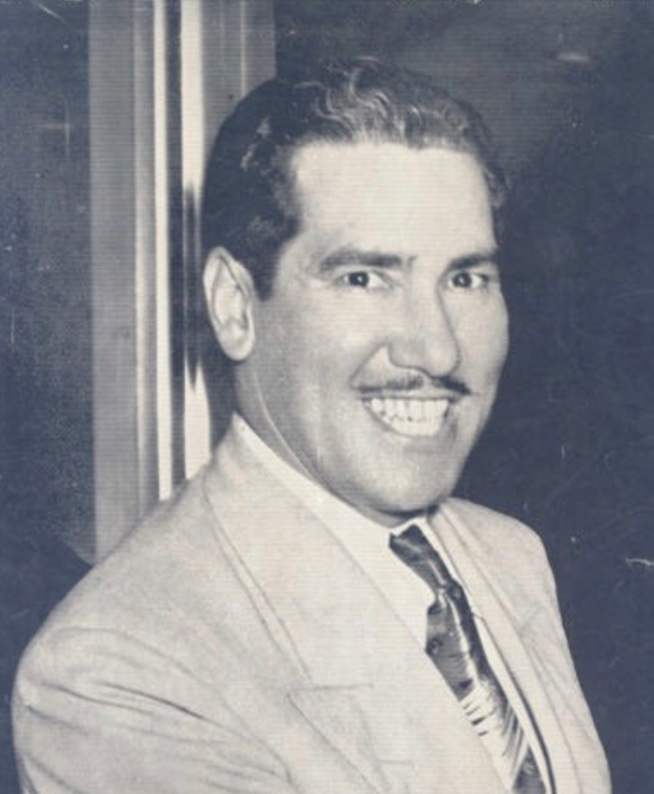
Arnulfo Arias, a prominent figure in Panamanian politics, began his second tenure as the President of Panama in 1949. Known for his leadership in the Panameñista Party, Arias was a controversial leader with a strong nationalist agenda. During his brief time in office, he focused on implementing social reforms and promoting populist policies, particularly aimed at improving the welfare of the working class.
Arias's presidency was marked by both support and opposition, with his nationalist tendencies and authoritarian style creating divisions within the country. Despite his efforts to strengthen the Panamanian identity and promote economic independence, his administration was also marred by allegations of corruption and human rights abuses.
The second tenure of Arnulfo Arias as President of Panama was a brief yet impactful period in the country's political history, characterized by populist measures and nationalist rhetoric. Arias's legacy continues to spark debate and analysis among historians and political analysts, shaping perceptions of his leadership and the direction he took Panama during his time in office.
#Panama #President #Populism #Nationalism #PoliticalHistory
View detailsBorn in 1905, Roberto Francisco Chiari Remón's brief political tenure began on November 20. He represented the National Liberal Party and served as the President of Panama for merely four days until he left office on November 24. Despite his short time in power during his first term, Chiari Remón holds the distinction of being the first tenure holder from his party to assume the presidency.
Although his time in office was short-lived, Chiari Remón's presidency marked an important moment in Panama's political history. His leadership, however fleeting, served as a stepping stone for future National Liberal Party members to hold the highest office in the country. Despite the brevity of his term, his legacy continued to influence the political landscape of Panama for years to come.
Roberto Francisco Chiari Remón's first presidency left an indelible mark on Panama's political scene, paving the way for future National Liberal Party leaders. Despite the limited time he spent in office, his impact resonated within the country's political sphere for years. #RobertoFranciscoChiariRemón #PanamaPresident #NationalLiberalParty.
View details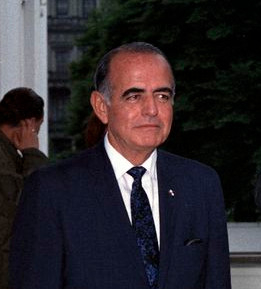
Daniel Chanis Pinzón served as the President of Panama for a brief period of 3 months in 1949, representing the National Liberal Party. His time in office was cut short when he left on November 20 of the same year. Born in 1892, he dedicated his political career to serving his country. Despite his short tenure, he left a mark on Panama's political landscape.
Chanis Pinzón's presidency during this time was met with mixed reactions from the public and political observers. His policies and decisions during his time in office had both supporters and critics alike. Although his presidency was brief, his contributions to the National Liberal Party and Panama's political history are noteworthy.
His legacy as a political figure remains a topic of interest and discussion among historians and political analysts. The presidency of Daniel Chanis Pinzón, though short-lived, left a lasting impact on the political dynamics of Panama during that era. His political affiliation with the National Liberal Party and his brief time in office are essential parts of Panama's political narrative.
#DanielChanisPinzon #PanamaPresident #NationalLiberalParty #PoliticalLegacy #PanamaHistory
View details1948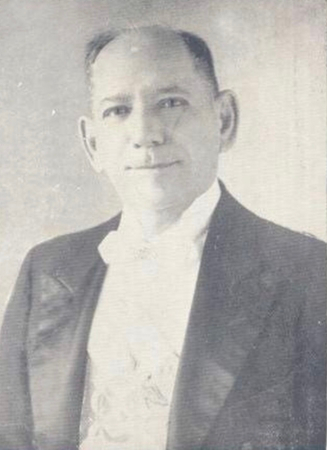
Domingo Díaz Arosemena, a member of the National Liberal Party, served as the President of Panama for 11 months. In July 1949, he resigned due to a heart attack, leading to his untimely death less than a month later. Arosemena's sudden departure from office left a void in Panamanian politics, causing a shift in leadership that had a profound impact on the nation.
His brief presidency was marked by internal and external challenges, and his resignation further complicated the political landscape. The National Liberal Party faced a period of instability and had to navigate through a transitional phase as a result of Arosemena’s departure. The sudden change in leadership brought uncertainty to the country during a critical time.
Arosemena's legacy was one of a dedicated public servant who unfortunately met a tragic end. His time in office may have been short, but the consequences of his resignation reverberated throughout Panama's political sphere for years to come. The nation mourned the loss of a leader who had dedicated his life to serving the people.
#DomingoDíazArosemena #PanamaPresident #NationalLiberalParty #PoliticalLegacy #TragicResignation
View details1945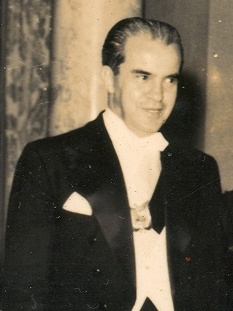
Enrique Adolfo Jiménez, a member of the National Liberal Party, served as the Provisional President of Panama for a brief period of three years and one month. Born in 1888, Jiménez held office until August 7, 1948. His term was marked by efforts to stabilize the country following a period of political unrest.
During his presidency, Jiménez focused on implementing reforms to address economic challenges and social issues faced by the population. He worked towards restoring political stability and fostering unity among the citizens of Panama. Despite the brevity of his time in office, the policies and initiatives introduced by Jiménez had a lasting impact on the country.
His leadership style and commitment to serving the nation earned him respect and admiration from both supporters and political adversaries. Jiménez's presidency is remembered as a crucial period in Panama's history, characterized by significant developments and reforms that laid the foundation for future progress.
Enrique Adolfo Jiménez's legacy as a Provisional President who navigated Panama through a challenging period continues to be recognized and celebrated. #EnriqueAdolfoJimenez #PanamaPresident #NationalLiberalParty
View details