
Comoros

A Blend of Cultures, Natural Beauty, and Challenge...
Related Lives

History of Bitcoin
Peer to Peer Electronic Cash System

US Fighter Jets
Fighterjets operated by the United State

Drama Movies
The Heart of Cinema

Panama
The Crossroads of the Americas
Turkey
The Land of Singing Trees
Dominican Republic
A Caribbean Paradise
Bahrain
The Pearl of the Gulf
Azerbaijan
The Land of Fire

1975
Comoros gained independence from France after a long struggle for self-governance. The archipelago, located in the Indian Ocean, had been under French rule since the 19th century. The road to independence was marked by resistance movements and political negotiations, culminating in a referendum where the people of Comoros voted overwhelmingly in favor of independence.
The newfound independence brought a sense of pride and autonomy to the people of Comoros. It marked the beginning of a new chapter, as they took control of their own governance and future. The country faced challenges in establishing stable governance and a strong economy, but the people were determined to shape their own destiny.
The independence of Comoros had a significant impact on the political landscape of the region, inspiring other African nations to pursue self-determination. It also strengthened the cultural identity of the Comorian people, celebrating their heritage and traditions on the global stage.
Today, Comoros continues to strive for development and progress as a sovereign nation. The journey towards independence remains a defining moment in the history of the archipelago, marking a legacy of resilience and determination.
#Comoros #Independence #SelfDetermination #History #Sovereignty
View details1968
Formed in 1968, the establishment of the Comorian Democratic Union party was a pivotal moment in Comoros' political history. The party was founded with the aim of advocating for independence from French colonial rule and promoting democratic governance within the archipelago. Comprised of various political figures and activists, the party quickly gained support amongst the local population.
The formation of the Comorian Democratic Union party had a profound impact on the political landscape of Comoros, galvanizing efforts towards self-determination and sovereignty. The party's message of unity and empowerment resonated with many Comorians, paving the way for a stronger collective voice in shaping the future of their nation.
With its founding principles rooted in democracy and national identity, the Comorian Democratic Union party became a driving force behind the push for independence. Through grassroots mobilization and advocacy, the party played a crucial role in shaping the political discourse and laying the foundations for a sovereign Comoros.
The establishment of the Comorian Democratic Union party marked a turning point in the history of Comoros, ushering in a new era of political awakening and self-determination. Its legacy continues to reverberate through the country's political landscape, embodying the enduring spirit of unity and democracy.
#Comoros #Independence #DemocraticUnion #PoliticalHistory
View details1947
The event saw Comoros become an overseas territory of France after residents of the islands voted to remain under French control. Comoros, located in the Indian Ocean, had been a French colonial possession since the 19th century. The islands' economy was heavily reliant on agriculture, particularly the production of vanilla and cloves.
Becoming an overseas territory of France had a significant impact on the political and economic landscape of Comoros. The islands were granted representation in the French National Assembly and benefit from French social services and subsidies. However, this move also meant that Comoros had limited autonomy and decision-making power, as ultimate authority still lay with the French government.
The decision to become an overseas territory sparked mixed reactions among the local population. Some supported the move due to the perceived economic benefits and stability that French rule provided. Others, however, viewed it as a continuation of colonial exploitation and sought independence.
This event marked a pivotal moment in Comoros' history, shaping its identity as a French territory in the years to come. The legacy of this decision continues to be felt in the ongoing discussions surrounding independence and self-governance in the islands.
#Comoros #FrenchColonialism #OverseasTerritory #IndependenceMovements
View details1942
During World War II, British forces launched an invasion of the Comoros and Madagascar in the Indian Ocean. The strategic location of these islands made them crucial for controlling sea routes and denying them to the Axis powers. The operation was aimed at securing British interests in the region and preventing any potential Japanese or German advancements.
The invasion began with the British Navy bombarding key positions on the islands, followed by ground troops landing to secure important ports and airfields. Despite facing some resistance from Vichy French forces stationed in the area, the British ultimately prevailed and established control over the Comoros and Madagascar.
The impact of this invasion was significant, as it not only eliminated the threat of Axis powers in the region but also allowed the Allies to establish bases for further operations in the Indian Ocean. The presence of British forces also helped to ensure the safety of crucial shipping lanes, facilitating the movement of troops and supplies between Europe, Africa, and Asia.
The invasion of the Comoros and Madagascar by British forces played a key role in securing Allied victory in the Indian Ocean during World War II, underscoring the importance of strategic military operations in controlling vital sea routes and resources. #BritishForces #Comoros #Madagascar #WorldWarII #AlliedVictory
View details1930
In 1930, French missionaries arrived in Comoros and set up Roman Catholic missions across the islands. These missionaries aimed to spread Christianity among the predominantly Muslim population of Comoros.
The establishment of Roman Catholic missions had a significant impact on the religious landscape of Comoros, introducing a new faith and creating cultural and social changes within the community. The missionaries provided education, healthcare, and support for the local population, leading to improvements in living conditions and access to services.
Despite facing initial resistance and challenges in a society where Islam was the dominant religion, the French missionaries gradually gained a foothold and attracted converts to Catholicism. This shift in religious dynamics sparked debates and discussions among the people of Comoros, shaping their beliefs and practices.
The arrival of French missionaries and the establishment of Roman Catholic missions in Comoros marked a period of religious exploration and change, leaving a lasting legacy on the cultural and social fabric of the islands.
#FrenchMissionaries #CatholicMissions #ReligiousDiversity #CulturalExchange #ComorosHistory
View details1909
In 1909, the last Sultan of Anjouan abdicated in favor of French colonial rule. Anjouan was one of the islands in the Comoros archipelago, situated in the Indian Ocean. The Sultan's decision to relinquish power marked the end of centuries of sovereignty in the region.
Facing political instability and economic challenges, the Sultan sought the protection and support of the French authorities to maintain order on the island. This transition to French colonial control brought about significant changes in governance, administration, and the way of life in Anjouan.
Under French rule, Anjouan became part of the larger colonial territory of Comoros. The French implemented their policies and exerted influence over the local population, shaping the island's future development. The traditional authority of the Sultan was replaced by colonial administrators, marking a shift in power dynamics.
The abdication of the last Sultan of Anjouan symbolized the end of an era for the island's self-governance and the beginning of a new chapter under French colonial rule. It highlighted the impact of external powers on shaping the destiny of smaller, autonomous regions like Anjouan within the broader context of colonial expansion and control.
#Anjouan #FrenchColonialRule #Comoros #Abdication #Sultan #ColonialImpact
View details1892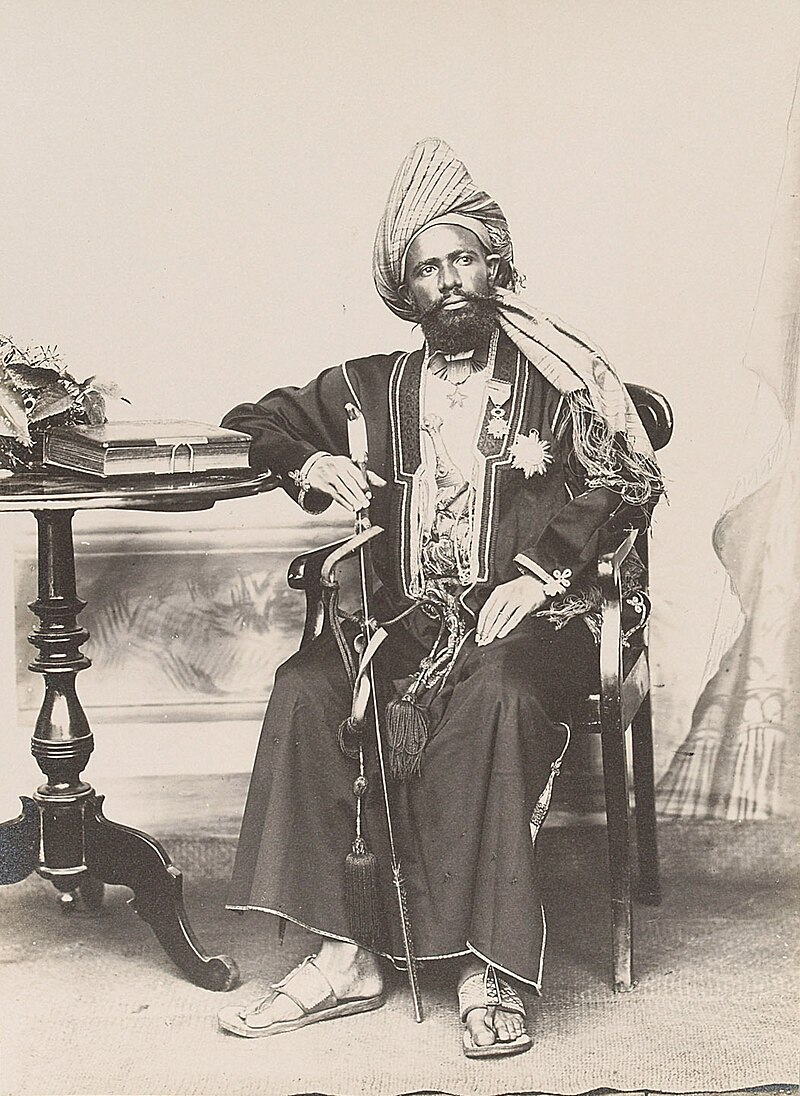
The establishment of the Sultanate of Grand Comore marked a pivotal moment in the history of the island. With the rise of Said Ali bin Said Omar Alawi as Sultan, a new era began for the people of Grand Comore. This event solidified the Sultan's authority and set the stage for the Sultanate to play a prominent role in the region.
Under Sultan Said Ali's leadership, the Sultanate of Grand Comore experienced a period of stability and economic growth. The Sultan implemented reforms that aimed to modernize the island's infrastructure and improve the living conditions of its inhabitants. Trade flourished, and Grand Comore became known for its thriving marketplaces and bustling ports.
The establishment of the Sultanate of Grand Comore had a lasting impact on the island's political landscape. It strengthened the Sultan's position as a leader and helped to consolidate power within the region. The Sultanate's influence extended beyond Grand Comore, shaping the dynamics of the Comoros archipelago as a whole.
Overall, the establishment of the Sultanate of Grand Comore was a defining moment in the history of the island, ushering in a period of progress and development. #SultanateOfGrandComore #SaidAliBinSaidOmarAlawi #ComorosHistory
View details1886
In 1886, Comoros became a French protectorate under the Treaty of April 25. This agreement allowed France to control the foreign affairs and defense of the islands, while the local sultans retained their power over internal affairs. The decision to establish this protectorate was influenced by French colonial interests in the Indian Ocean region.
The French protectorate had a significant impact on the socio-political landscape of Comoros. The islands became more integrated into the French colonial empire, leading to changes in administration, economy, and culture. French influence brought about infrastructural development and the introduction of European customs and governance systems.
The establishment of the French protectorate in Comoros marked a shift in power dynamics and gradually eroded the traditional authority of the local rulers. The islands' strategic location in the Indian Ocean heightened their importance to France, further solidifying their control over the region.
#Comoros #FrenchProtectorate #Colonialism #SocioPoliticalImpact #IndianOcean #France
View details1841
In 1841, French forces landed on the Comoros Islands, establishing a significant presence in the region. The archipelago, strategically located in the Indian Ocean, had long been a hub for trade and a point of interest for European powers seeking to expand their influence.
The arrival of the French marked a shift in the political landscape of the islands, as they gradually asserted control over the local rulers and established a colonial administration. This move had lasting effects on the economy, culture, and governance of the Comoros Islands.
French colonization brought changes to the traditional way of life on the islands, introducing new systems of governance, education, and infrastructure. The Comoros became an important outpost for the French Empire, serving as a base for trade and military operations in the region.
The impact of French presence in the Comoros Islands can still be seen today in the architecture, language, and customs of the islanders. The legacy of colonialism continues to influence the political and social dynamics of the region.
#FrenchColonization #ComorosIslands #EuropeanExpansion
View details1505
In 1527, Portuguese sailors made landfall on the islands of Comoros, altering the course of history in the region. This event marked the beginning of European exploration and colonization in the Indian Ocean, as well as the introduction of new technologies, crops, and animals to the islands. The arrival of the Portuguese had a profound impact on the local population, leading to cultural exchanges and trade relationships that would shape the socio-economic landscape of Comoros for centuries to come. The islands' strategic location made them a crucial stop for Portuguese ships traveling between Africa and Asia, further enhancing their importance in global trade networks. The legacy of this encounter can still be seen in the Creole language spoken in Comoros, as well as in the architecture, cuisine, and customs of the islanders. The arrival of the Portuguese sailors on the islands of Comoros in 1527 laid the foundation for a complex and multifaceted history that continues to influence the region to this day. #PortugueseExploration #CulturalExchange #GlobalTrade
View details1500
In 1500, the Sultanate of Ndzuwani was established on Anjouan Island, part of the Comoros archipelago. This marked a pivotal moment in the island's history as it transitioned into a formalized governance structure under the leadership of a Sultan. The Sultanate provided a centralized authority that brought stability and organization to the island's political landscape.
The establishment of the Sultanate of Ndzuwani had a lasting impact on the social, economic, and cultural development of Anjouan Island. It brought about a system of governance that influenced local customs, trade relationships, and diplomatic ties with neighboring regions. The Sultanate played a crucial role in shaping the identity and character of the island, creating a sense of unity and belonging among its inhabitants.
This historical event paved the way for Anjouan's integration into the broader Comoros archipelago and set the stage for future interactions with European colonial powers. The Sultanate of Ndzuwani endured for centuries, leaving a legacy that continues to resonate in the cultural heritage of the island and its people.
#SultanateOfNdzuwani #AnjouanIsland #ComorosHistory #GovernanceLegacy
View details1427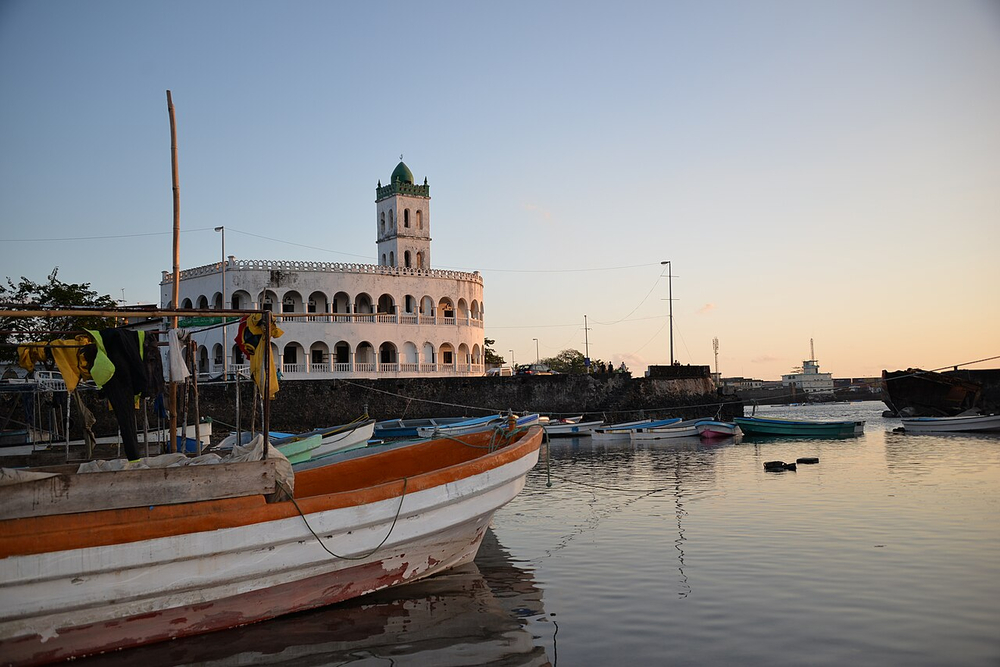
The construction of the Old Friday Mosque in Moroni marked a crucial development in the architectural and cultural history of Comoros. The mosque, also known as the Vendredi Mosque, stands as one of the oldest and most significant religious structures in the country, reflecting the early influences of Islamic traditions in the region.
Erected under the rule of Sultan Ali bin Al-Hassan in the 15th century, the mosque served as a place of worship and community gathering for the local population. Its distinctive blend of Swahili, Arabic, and Indian architectural styles showcases the diverse cultural heritage of the Comorian people.
The construction of the Old Friday Mosque not only provided a spiritual center for the residents of Moroni but also served as a symbol of religious tolerance and unity in the region. It remains a testament to the enduring influence of Islam in Comorian society and a site of pilgrimage for Muslims from across the archipelago.
Today, the Old Friday Mosque stands as a revered historical landmark, attracting visitors and researchers interested in its unique architectural design and cultural significance. The mosque continues to play a vital role in the religious and social life of the community, embodying the rich heritage and traditions of Comoros.
#OldFridayMosque #Moroni #ComorosCulture #ReligiousHeritage #ArchitecturalLegacy
View details1420
The settlement of Anjouan by Shirazi Arabs marked a pivotal moment in the history of Comoros. The Shirazi Arabs, hailing from the Swahili coast, brought with them a rich cultural heritage that influenced the region for centuries to come. Their arrival on the island of Anjouan facilitated the exchange of ideas, technologies, and goods, contributing to the island's development and prosperity.
The Shirazi Arabs introduced new agricultural practices, such as the cultivation of spices and fruits, which thrived in the island's fertile soil. They also played a significant role in the development of trade networks, connecting Anjouan to other parts of the Indian Ocean world. This not only enriched the local economy but also fostered cultural exchanges with diverse peoples.
The integration of Shirazi Arab customs and traditions with those of the indigenous population created a unique and vibrant society on Anjouan. This fusion of cultures gave rise to a distinct Comorian identity that continues to shape the island's social fabric to this day.
The settlement of Anjouan by Shirazi Arabs stands as a testament to the enduring impact of cultural exchange and interaction. It highlights the significance of cross-cultural connections in shaping the history and development of societies. #ShiraziArabs #ComorosHistory #CulturalExchange
View details1230
In the early 13th century, the Comoros Islands came under the influence of Swahili culture, marking a significant shift in the region's cultural landscape. Swahili traders and sailors navigated the Indian Ocean, bringing with them their language, customs, and beliefs.
Over time, the Swahili culture intertwined with the local traditions of the Comoros, resulting in a unique blend of practices. This cultural fusion impacted various aspects of daily life, including language, food, music, and religious beliefs. The Swahili influence also introduced new architectural styles and artistic expressions to the islands.
As a result, the Comoros Islands became a melting pot of diverse cultural elements, enriching the social fabric of the region. This cultural exchange facilitated trade and communication between the islands and the Swahili Coast, contributing to the economic development of the region.
Today, the legacy of the Swahili influence on the Comoros Islands can still be seen in the language spoken, the traditional dishes enjoyed, and the vibrant music and dance performances. The fusion of Swahili and local cultures continues to shape the identity of the people of the Comoros, highlighting the enduring impact of this historical event.
#ComorosIslands #SwahiliCulture #CulturalExchange #HistoricalLegacy
View details1100
In the early 1100s, Arab merchants arrived at the islands of Comoros, seeking to establish new trade routes in the Indian Ocean. Their arrival marked a pivotal moment in the region's history, introducing Islamic culture and commerce to the local population.
The Arab merchants brought with them a wealth of goods, including spices, perfumes, textiles, and precious metals, introducing the inhabitants of Comoros to a diverse range of products previously unknown to them. This led to a flourishing trade network between the islands and the Arab world, boosting the economy of Comoros and enriching its cultural heritage.
The establishment of trade relations with the Arab merchants not only brought economic prosperity to Comoros but also facilitated the exchange of ideas, languages, and traditions between the two regions. The influence of Arab culture can still be seen in various aspects of Comorian society today, from architecture and cuisine to language and religion.
Overall, the arrival of Arab merchants in Comoros in the early 1100s was a transformative event that shaped the trajectory of the islands' history, fostering a legacy of intercultural exchange and economic growth. #ArabMerchants #TradeRelations #CulturalExchange #ComorosEconomy
View details0750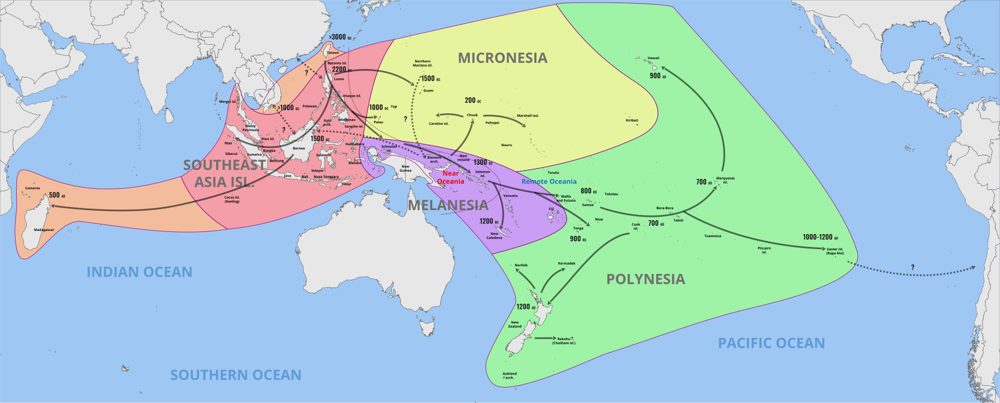
In the 8th century, Austronesian peoples settled in the Comoros Islands, located in the Indian Ocean between Africa and Madagascar. This migration brought a new language, culture, and way of life to the islands, shaping their society for centuries to come.
The arrival of the Austronesian peoples had a significant impact on the indigenous populations of the Comoros, leading to cultural exchanges and the development of a unique Creole culture. The newcomers brought new agricultural techniques, crops, and fishing methods, contributing to the islands' economy and dietary habits.
Interactions between the Austronesian settlers and the existing populations resulted in the blending of traditions, religions, and social customs, creating a diverse and vibrant community in the Comoros Islands. This cultural fusion continues to be reflected in the islands' art, music, and cuisine.
The settlement of Austronesian peoples in the Comoros Islands marked a turning point in the region's history, influencing the islands' demographic composition, cultural identity, and way of life. The legacy of this migration is still evident in the modern-day Comoros, showcasing a rich tapestry of influences from various cultures.
#AustronesianMigration #CulturalExchange #ComorosIslands
View details0600
Starting in the 7th century, Arab merchants and travelers introduced Islam to the Comoros, an archipelago situated in the Indian Ocean. The spread of Islam was gradual yet profound, deeply influencing the culture, traditions, and way of life of the local population.
The arrival of Islam in Comoros provided a unifying force among the diverse populations inhabiting the islands. It brought a common faith and language, fostering a sense of community and shared identity. Islamic teachings also played a vital role in shaping the social structure and governance of the society.
The introduction of Islam led to the establishment of mosques and Islamic schools, contributing to the education and religious practices of the Comorian people. Islamic principles and values became deeply integrated into everyday life, influencing various aspects such as language, art, music, and cuisine.
The impact of Islam in Comoros continues to be felt to this day, with the majority of the population identifying as Muslims and adhering to Islamic customs and traditions. The introduction of Islam marked a significant turning point in the history of the Comoros, shaping its cultural landscape and identity for centuries to come.
#Islam #Comoros #CulturalTransformation #ReligiousInfluence
View details