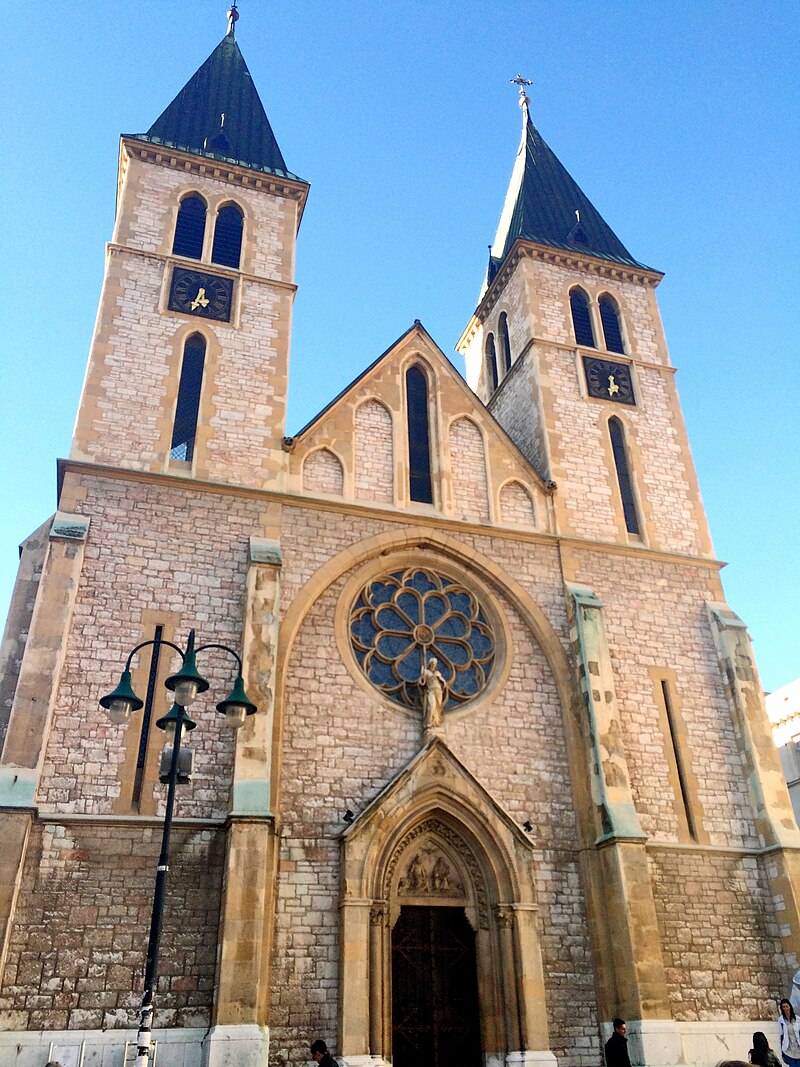
Bosnian Church Granted Autocephaly from Dubrovnik Archbishopric
Bosnia and Herzegovina
Religious
Political
5 min read
Updated By: History Editorial Network (HEN)
Published:
The Bosnian Church's move to achieve autonomy from the Archbishopric of Dubrovnik marked a pivotal change in the religious landscape of Bosnia and Herzegovina. Prior to this transition, the Bosnian Church operated under the ecclesiastical jurisdiction of the Archbishopric of Dubrovnik, which significantly influenced its structure and doctrines. The push for autocephaly emerged from a growing desire among Bosnian clergy and laity for greater independence in managing religious affairs and addressing local spiritual needs.
The endeavor to gain autocephaly coincided with a period of political and social consolidation within the region. The local leadership in Bosnia sought to solidify their cultural and religious identity, which was distinct from neighboring states influenced by Latin and Byzantine Christianity. The attainment of autocephaly meant that the Bosnian Church could elect its own bishops, establish its liturgical practices, and manage its administrative matters without external interference.
The impact of this newfound religious autonomy was significant. It fostered a sense of unity and self-reliance among the Bosnian populace, reinforcing their cultural identity. The Bosnian Church began to develop unique practices and doctrines that reflected the specific needs and circumstances of the region. Additionally, the establishment of a self-governing church contributed to the stabilization of local governance structures, as religious and secular authorities often worked in close coordination.
This ecclesiastical independence also had broader geopolitical implications. The Bosnian Church's autonomy allowed Bosnia to navigate its relationships with both the Western and Eastern branches of Christianity more flexibly. As a result, Bosnia could better position itself within the complex tapestry of medieval European politics, balancing the influences of powerful neighboring states.
The acquisition of autocephaly by the Bosnian Church represents a clear example of how religious and political factors are deeply intertwined, shaping the course of regional history. It underscores the interconnectedness of ecclesiastical autonomy and national identity, portraying a period where local governance and cultural preservation were primary concerns.
#BosnianChurch #Autocephaly #ReligiousIndependence #BosnianHistory #CulturalIdentity #MedievalPolitics #MoofLife
Primary Reference
Serbia in the Middle Ages - Wikipedia

Explore the Life Moments of
 AI Twin