
Bahrain

The Pearl of the Gulf









1717
Oman's invasion of Bahrain in 1717 was rooted in a power struggle for control over the Gulf. The invasion was led by the Omani ruler, Nasir bin Murshid, who sought to extend his influence and gain access to Bahrain's strategic location and resources. The invasion sparked a period of instability and conflict in the region.
The impact of the invasion was profound, leading to widespread destruction and disruption of the local economy. The Omani forces imposed their authority over Bahrain, enforcing heavy taxation and causing resentment among the local population. The invasion also strained diplomatic relations between Oman and other regional powers, leading to further tensions in the Gulf.
In the aftermath of the invasion, Bahrain experienced a period of unrest and resistance against Omani rule. Local tribes and communities mounted resistance efforts, seeking to regain autonomy and push back against foreign intervention. The conflict eventually led to the expulsion of Omani forces from Bahrain, restoring a degree of independence to the region.
#Oman #Bahrain #Invasion #Conflict #Gulf #History
View details1683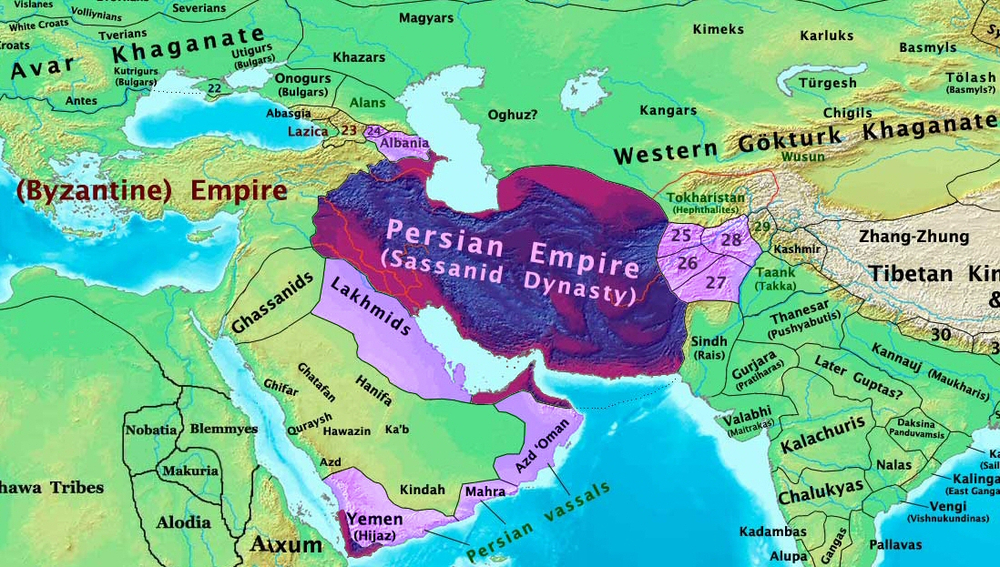
In 1683, Bahrain was ceded to the Dutch Republic by the Persian Empire. This event took place due to the strategic location of Bahrain in the Persian Gulf, making it a valuable territory for trade and naval purposes. The Dutch Republic, known for its strong maritime presence, saw an opportunity to expand its influence in the region by acquiring control over Bahrain. This transfer of power had significant implications for trade routes and political dynamics in the Persian Gulf.
The Persian Empire's decision to cede Bahrain to the Dutch Republic marked a shift in power dynamics in the region, as European colonial powers vied for control over key trade routes. The Dutch presence in Bahrain bolstered their influence in the Persian Gulf, allowing them to strengthen their trade networks and assert their authority in the area. This move also brought about cultural exchanges and interactions between the Dutch and the local population, shaping the social fabric of Bahrain.
The cession of Bahrain to the Dutch Republic underscored the geopolitical complexities of the time, as empires and colonial powers sought to extend their influence across the globe. It highlighted the strategic importance of Bahrain as a key player in the global trade network and a valuable asset for those seeking to expand their reach in the region.
#Bahrain #DutchRepublic #PersianEmpire #Trade #Geopolitics
View details1602
The Great Fire of al-Qatif began as a small blaze in a marketplace, quickly engulfing the town in flames. Fueled by strong winds, the fire spread rapidly, eventually reaching the neighboring country of Bahrain. The firestorm caused widespread destruction, consuming homes, businesses, and historical landmarks in its path.
The uncontrolled inferno left a trail of devastation in its wake, displacing thousands of residents and causing significant economic losses. Efforts to contain the fire were hampered by limited resources and the fire's fast-paced nature, leading to its uncontrollable spread across the region. The aftermath of the Great Fire of al-Qatif and its extension to Bahrain prompted a collective effort to rebuild and restore what was lost.
Communities came together to support one another during the challenging times, showcasing resilience and solidarity in the face of adversity. The event serves as a reminder of the destructive power of natural disasters and the importance of preparedness and unity in times of crisis. Today, it stands as a testament to the resilience of the people of al-Qatif and Bahrain in overcoming such a catastrophic event. #GreatFire #DisasterRecovery #CommunityResilience
View details1601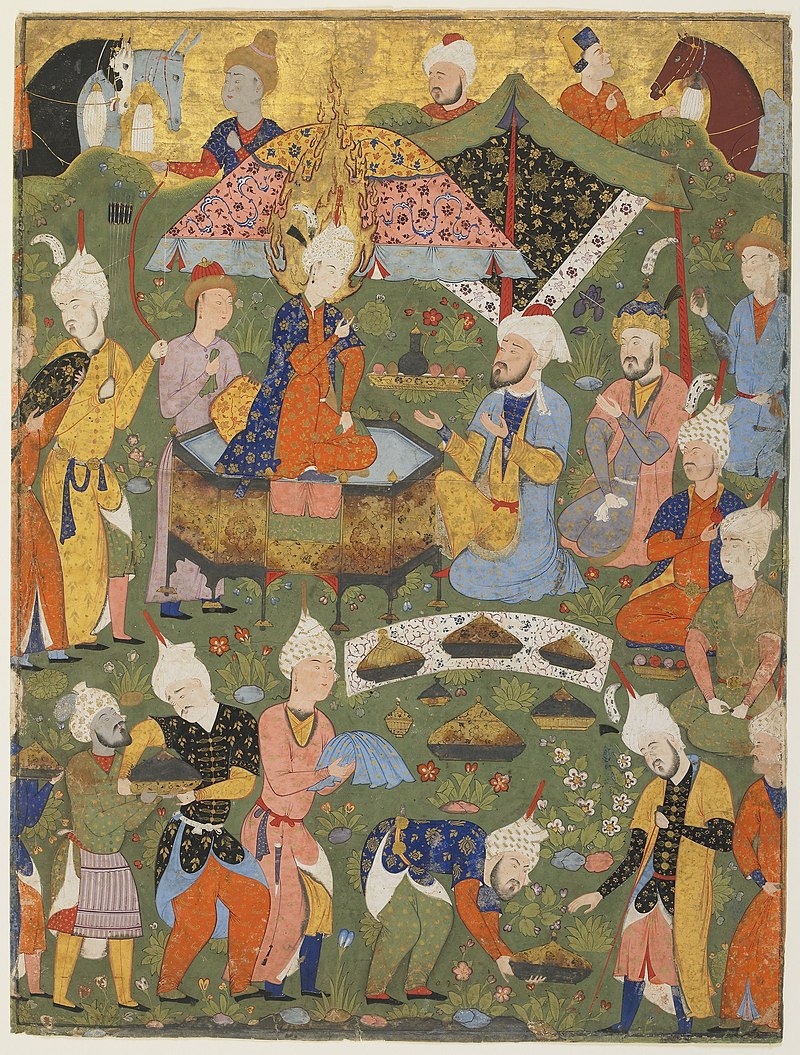
In 1602, Bahrain was subsumed into the Safavid Empire. The Safavids, seeking to expand their influence in the region, strategically took control of Bahrain, adding the island to their growing empire. This move altered the political landscape in the Persian Gulf, as Bahrain became a vital territorial possession for the Safavids.
Under Safavid rule, Bahrain's administration underwent significant changes, with new policies and governance structures put in place. The Safavids implemented their own cultural and religious practices in the region, impacting the daily lives of the inhabitants of Bahrain. Additionally, the Safavid Empire's control over Bahrain brought about economic transformations, influencing trade routes and commerce in the Persian Gulf.
The integration of Bahrain into the Safavid Empire had lasting implications for the island's inhabitants, shaping their identity and affiliations for generations to come. The Safavids' rule over Bahrain left a mark on the island's history, influencing its development and relationships with neighboring territories.
#Bahrain #SafavidEmpire #PoliticalTransformation #CulturalImpact #EconomicChanges #PersianGulfRelations
View details1558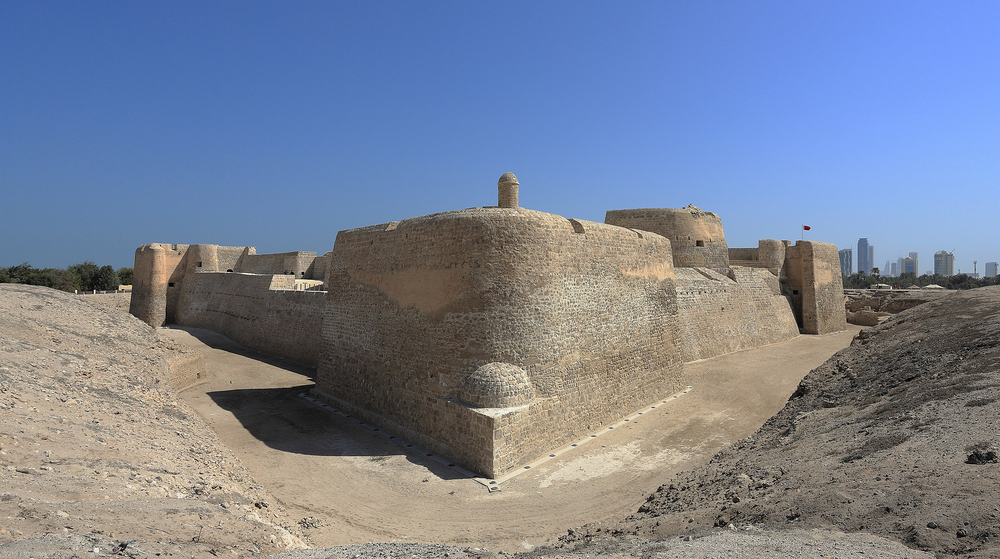
In 1559, the Ottomans successfully took control of Bahrain from the Portuguese. The Portuguese had ruled the region prior, using it as a strategic base for trade and naval activities in the Gulf. The Ottomans, ambitious in expanding their empire, saw Bahrain as a valuable addition due to its strategic location and lucrative pearl diving industry.
The capture of Bahrain by the Ottomans had a significant impact on the region. It marked the end of Portuguese control in Bahrain and strengthened the Ottoman presence in the Gulf. The Ottomans established Bahrain as an important outpost, expanding their influence in trade and defense in the region. They fortified the island and further developed its economy, particularly the pearl trade, which flourished under Ottoman rule.
The Ottomans capture of Bahrain from the Portuguese reshaped the geopolitical landscape of the Gulf region, impacting trade routes and power dynamics. The event also influenced the cultural and social fabric of Bahrain, introducing aspects of Ottoman administration and influence that would endure for centuries.
#BahrainHistory #OttomanEmpire #Geopolitics #CulturalImpact #TradeRoutes
View details1521
Antonio Correia's conquest led Bahrain to becoming part of the Portuguese Empire. This marked a significant shift in power and control over the region. The strategic location of Bahrain in the Arabian Gulf made it a valuable acquisition for the Portuguese, allowing them greater access and influence in trade routes.
Under Portuguese rule, Bahrain experienced changes in governance, administration, and culture. The Portuguese implemented their own systems and policies, impacting the daily lives of the local population. This period also saw an exchange of goods, ideas, and technologies between Portugal and Bahrain, shaping the socio-economic landscape of the region.
The conquest by Antonio Correia not only altered the geopolitical dynamics of Bahrain but also left a lasting legacy on its history. The Portuguese influence resonated in various aspects of Bahraini society for years to come. This event serves as a pivotal moment in the historical timeline of Bahrain, highlighting the interconnectedness of global powers in shaping local realities.
#Bahrain #PortugueseEmpire #Conquest #AntonioCorreia #Geopolitics #GlobalInfluence #CulturalExchange
View details1485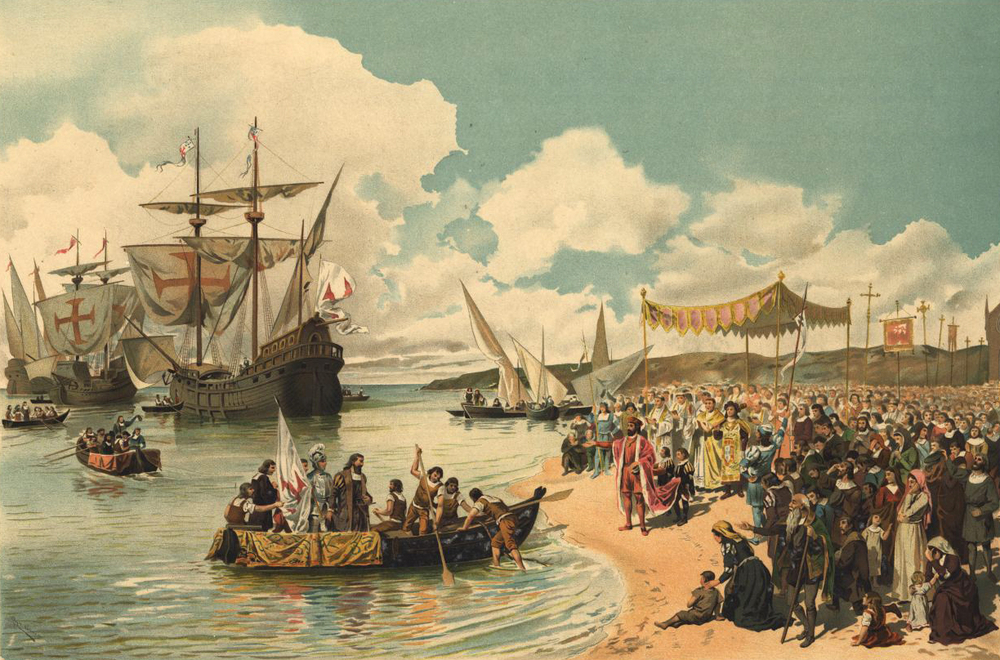
In 1485, Portuguese sailors under the command of explorer Vasco da Gama entered the Gulf waters near Bahrain, marking the first European presence in the region. This event was part of the larger Age of Exploration, during which European powers sought new trade routes and territories.
The arrival of Portuguese ships in the Gulf had a significant impact on the region's trade and politics. It introduced Europe to the lucrative spice trade of the East, leading to increased competition and eventually domination by European powers. The Portuguese presence also disrupted existing trade dynamics and alliances in the Gulf, reshaping the geopolitical landscape.
This event laid the foundation for centuries of European influence in the Gulf region, as well as the broader Middle East. It marked the beginning of a new era of interconnectedness between Europe and the Gulf, with lasting implications for trade, culture, and politics.
#PortugueseExploration #GulfTrade #EuropeanInfluence #BahrainHistory
View details1484
In 1485, the Bahrain Fort was constructed under Portuguese rule. The Portuguese aimed to establish strategic control over trade routes in the region, using the fort as a military stronghold. The fort's location overlooking the Arabian Gulf provided a vantage point for monitoring maritime activities and defending against potential threats.
The construction of the Bahrain Fort during this period marked a significant shift in the region's power dynamics. It symbolized the Portuguese influence in the Persian Gulf and their efforts to expand their empire. The fort's design showcased European military architecture, blending with the local environment.
With its thick walls and strategic location, the Bahrain Fort played a crucial role in the Portuguese defense system and control over the Persian Gulf trade routes. It also served as a symbol of authority and power, instilling fear and respect among the local population.
The legacy of the Bahrain Fort construction during the Portuguese era continues to shape Bahrain's history and heritage. It stands as a testament to the region's rich maritime history and the diverse influences that have shaped its identity over the centuries.
#BahrainFort #PortugueseRule #MaritimeHistory
View details1252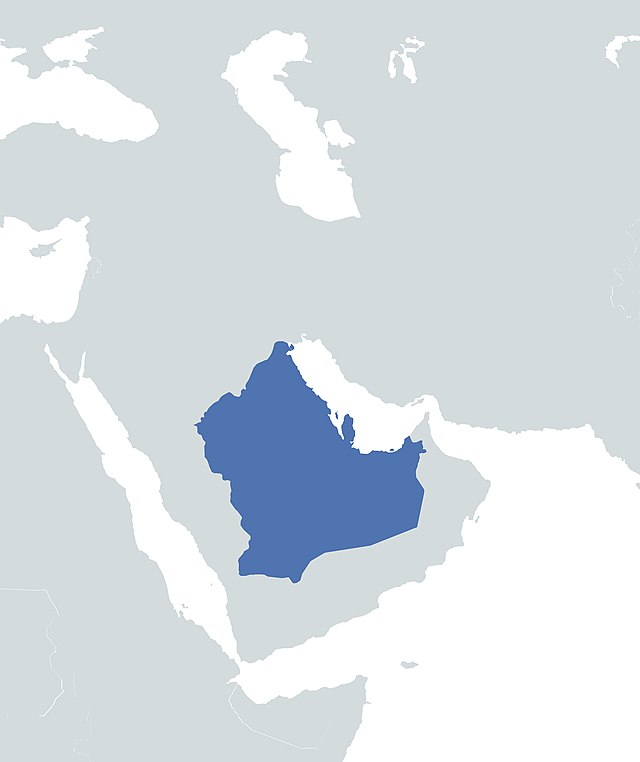
The Bahrani dynasty of the Usfurids of Banu Uqayl took control over eastern Arabia, including the islands of Bahrain. This marked a significant shift in power dynamics in the region. The Usfurids were able to consolidate their influence and establish themselves as rulers of the area.
The event had a lasting impact on the political landscape of Bahrain and its surrounding regions. The Usfurids implemented policies that shaped the governance and administration of the territories under their control. They also played a role in the cultural and economic development of the region.
The Usfurids' rule over Bahrain and eastern Arabia was characterized by stability and relative prosperity. Their leadership brought a sense of order and security to the local population. They also fostered trade and commerce, boosting the overall prosperity of the region.
Overall, the ascendance of the Bahrani dynasty of the Usfurids of Banu Uqayl as rulers of eastern Arabia, including Bahrain, had far-reaching consequences that shaped the course of history in the region.
#BahrainHistory #UsfuridsDynasty #PoliticalShift #RegionalControl
View details1153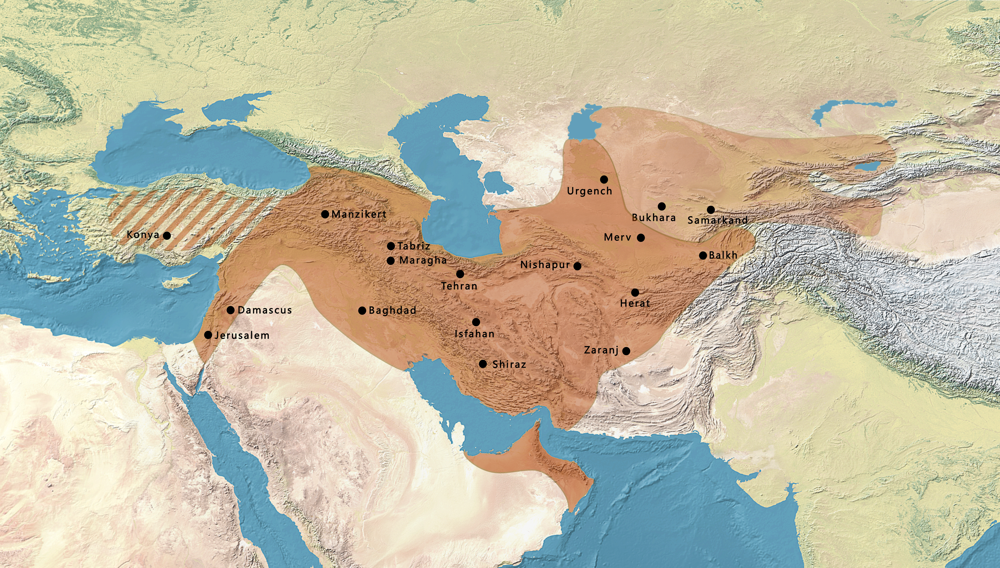
In 1154, the strategic location of Bahrain drew the Seljuk Turks' attention, prompting their presence in the region. The Seljuk Turks, known for their powerful military and expansionist ambitions, saw the island's position in the Arabian Gulf as a valuable asset for trade and geopolitical influence.
The Seljuk Turks' arrival in Bahrain marked a shift in regional dynamics, as their presence brought new opportunities for commerce and cultural exchange. They established trade routes connecting Bahrain to other parts of the Seljuk Empire, strengthening the island's economy and strategic importance.
The Seljuk Turks' control over Bahrain facilitated the exchange of goods, technologies, and ideas between the island and the broader Islamic world. This cultural interaction enriched Bahrain's society and contributed to its position as a vibrant center of commerce and intellectual activity in the region.
Overall, the Seljuk Turks' presence in Bahrain in 1154 had a lasting impact on the island's development, shaping its connections to the wider Islamic world and consolidating its role as a key player in regional trade and politics.
#BahrainHistory #SeljukTurks #TradeRoutes #CulturalExchange
View details1075
Sheikh Abdullah bin Ali Al Uyuni took control of Bahrain and Al-Hassa from the Qarmatians, founding the Uyunids Emirate. This event marked the end of the Qarmatian rule in the region and the establishment of a new ruling dynasty. The Uyunids Emirate brought stability and a new era of governance to the territories.
As a powerful and influential figure, Sheikh Abdullah bin Ali Al Uyuni's seizing of power reshaped the political landscape of Bahrain and Al-Hassa. The Uyunids Emirate's rule saw advancements in governance, trade, and infrastructure development in the region. The Uyunids Emirate's influence extended beyond its borders, impacting neighboring territories and relations with other ruling powers.
The establishment of the Uyunids Emirate under Sheikh Abdullah bin Ali Al Uyuni's leadership influenced the cultural, economic, and social aspects of Bahrain and Al-Hassa. The legacy of the Uyunids Emirate continued to shape the region's history for years to come.
#SheikhAbdullahbinAliAlUyuni #UyunidsEmirate #BahrainHistory
View details1047
The Banu Sulaim tribe's arrival in Bahrain marked a pivotal moment in the region's history. Hailing from the Arabian Peninsula, the tribe migrated seeking fertile lands and resources. Upon their arrival, they swiftly established dominance by defeating local tribes, subsequently laying the foundation for their rule over Bahrain. This event reshaped the social, political, and economic landscapes of the region.
The Banu Sulaim tribe's rule brought about significant changes in governance, trade, and culture in Bahrain. They implemented new forms of administration, fostering stability and order in the region. Their control over trade routes bolstered commerce, leading to economic prosperity. The tribe's unique traditions and customs permeated Bahraini society, leaving a lasting impact on the local culture.
The arrival of the Banu Sulaim tribe in Bahrain marked a turning point in the region's history. Their rule set the stage for centuries of influence, shaping the identity of Bahrain. Today, their legacy endures in the traditions, heritage, and customs of the Bahraini people. #BanuSulaim #BahrainHistory #TribeArrival
View details0899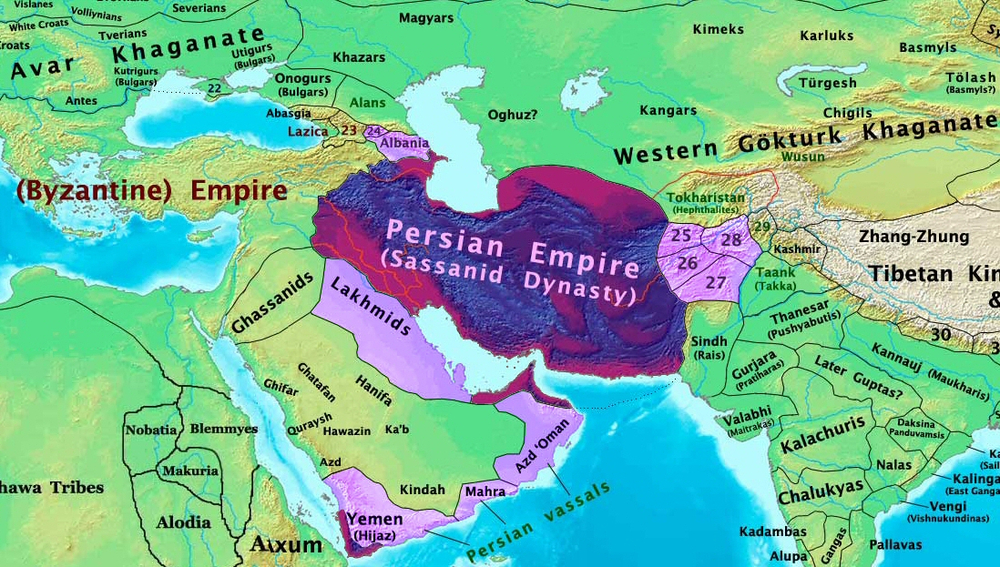
In 899, the Qarmatians established their state in Bahrain under the leadership of Abu Sa'id al-Hasan. Originating from eastern Arabia, the Qarmatians were an extremist sect of Ismaili Shia Muslims who rejected traditional Islamic authority and sought social equality through the redistribution of wealth and land.
The Qarmatian state in Bahrain implemented radical policies, such as the abolition of private property, equality of the sexes, and the collectivization of resources. They also launched military campaigns across the region, challenging Abbasid and local rulers, and disrupting trade routes in the Arabian Peninsula.
The establishment of the Qarmatian state in Bahrain had a significant impact on the political and social landscape of the region. Their rule brought about a period of instability and conflict, as well as cultural and religious transformation. The Qarmatians' influence extended beyond Bahrain, shaping the dynamics of power in the Arabian Gulf and influencing future developments in the Islamic world.
#QarmatianState #BahrainHistory #IsmailiMuslims
View details0749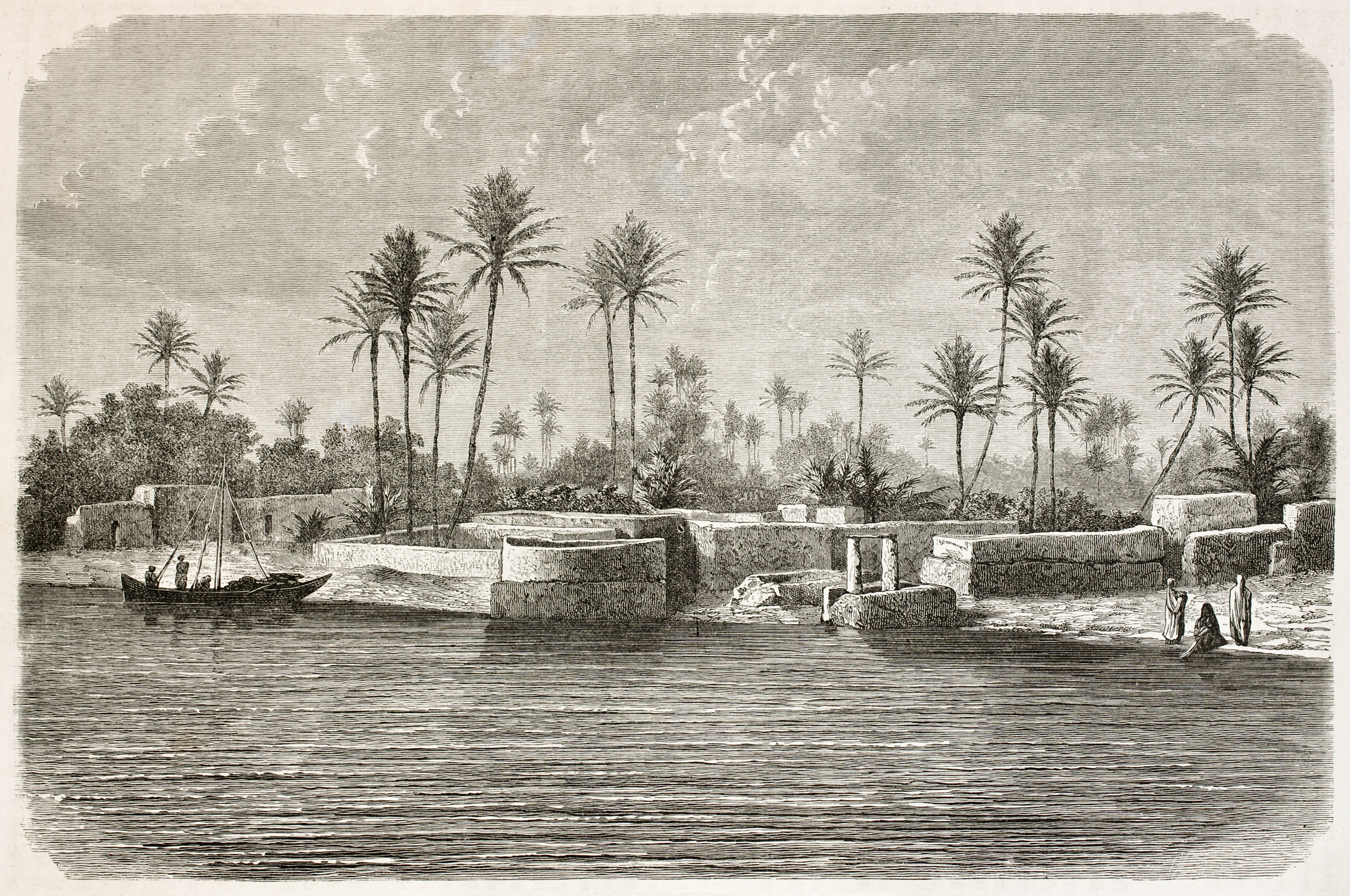
After Baghdad became the capital of the caliphate, Bahrain saw a surge in demand for foreign goods from China and South Asia. The strategic location of Bahrain in the Gulf made it a hub for trade between the East and the West. With the establishment of Baghdad as the center of the Islamic world, Bahrain became a crucial link in the trade network.
The increased demand for goods like silk, spices, and pottery from China and South Asia benefited Bahrain's economy significantly. Merchants from these regions flocked to Bahrain to take advantage of its position as a trading center. This influx of traders brought wealth and prosperity to the island.
As a result of the booming trade, Bahrain experienced an economic and cultural renaissance. The island became a melting pot of different cultures, influencing its art, architecture, and cuisine. The connections established during this period laid the foundation for Bahrain's future as a trading powerhouse in the region.
Bahrain's ties with China and South Asia continue to be strong, with trade remaining a vital part of the country's economy. The legacy of this historical event can still be seen in Bahrain's vibrant markets and diverse population.
#BahrainTradeHub #BaghdadCaliphateConnection #EastMeetsWest
View details0691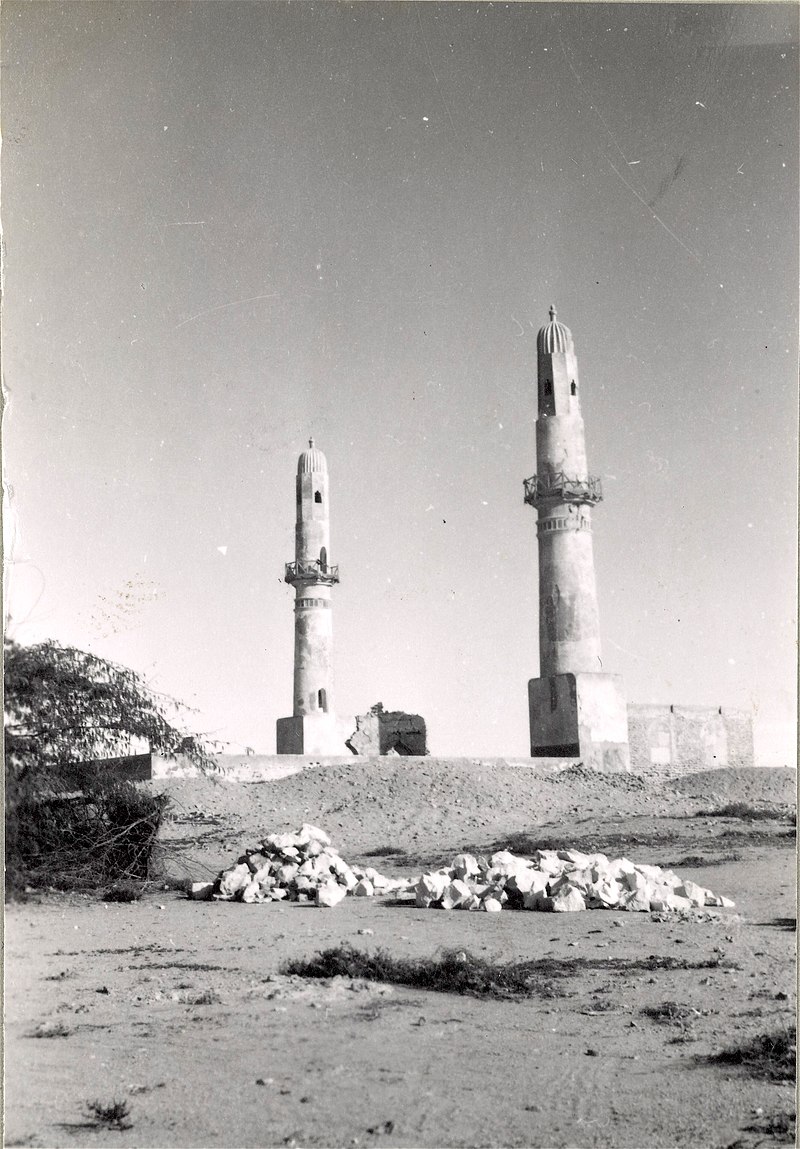
The construction of the Al Khamis Mosque, one of the oldest mosques in the region, began in 692. The mosque is located in Bahrain and holds historical significance. It served as a place of worship for early Muslim communities and contributed to the spread of Islam in the region. The mosque's unique architectural features and design reflect the ingenuity of its builders.
The Al Khamis Mosque has stood the test of time and remains an important cultural landmark in Bahrain. It continues to attract visitors and worshippers from around the world, offering a glimpse into the rich history and heritage of the region. The mosque's construction marked a milestone in the development of Islamic architecture in the area, setting a precedent for future mosque designs.
The Al Khamis Mosque's legacy lives on, serving as a reminder of Bahrain's deep-rooted Islamic heritage and historical significance. It stands as a symbol of religious tolerance and unity, welcoming people of all backgrounds to come together in prayer and reflection. The mosque's construction marked a pivotal moment in Bahrain's history, shaping its cultural identity for generations to come.
#AlKhamisMosque #BahrainHistory #IslamicHeritage
View details0628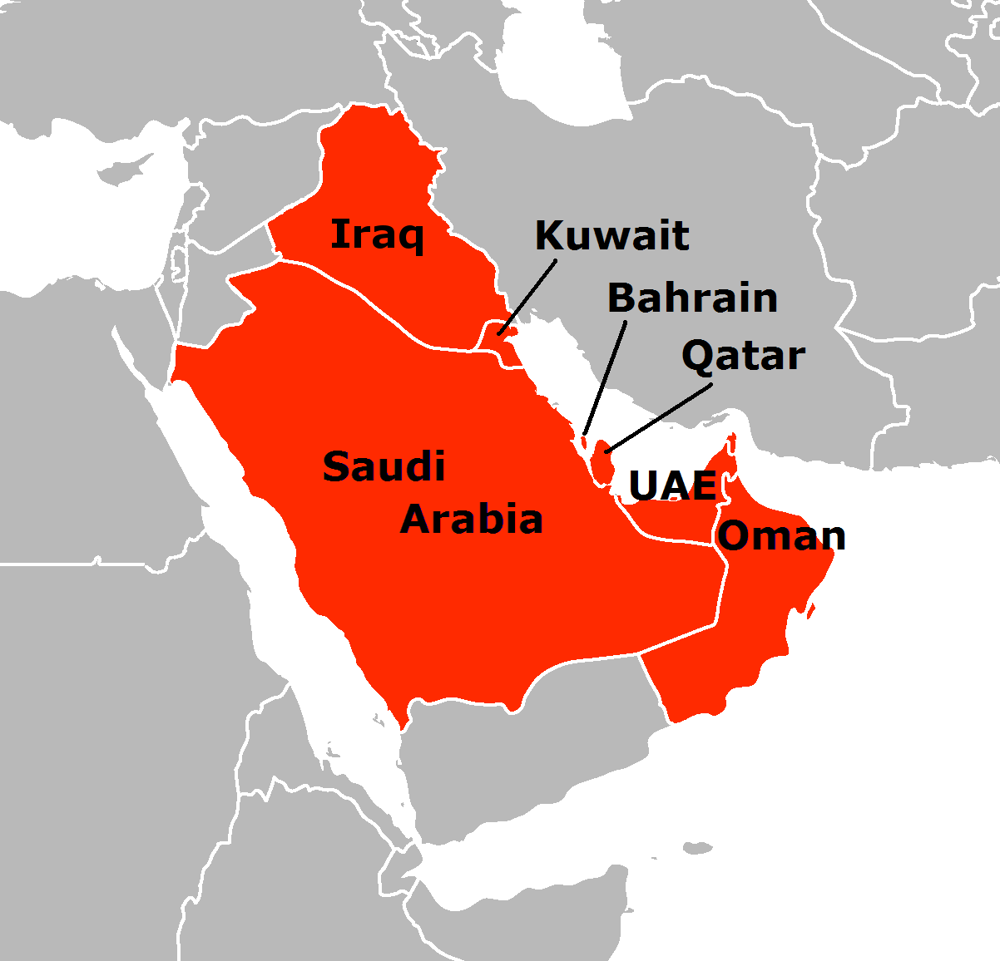
Following years of political unrest and religious diversity, Bahrain became integrated into the Islamic Caliphate in the year 628. This integration marked a significant turning point for the region, as it transitioned from a diverse community of beliefs to a unified Islamic state under the leadership of the Caliphate.
The impact of Bahrain becoming part of the Islamic Caliphate was profound, shaping the cultural, political, and religious landscape of the region for centuries to come. The Islamic influence brought a sense of unity among the people of Bahrain, establishing Islam as the dominant faith in the region.
Under the rule of the Caliphate, Bahrain experienced a period of stability and growth. The region benefited from advancements in various fields such as architecture, trade, and governance, contributing to the overall prosperity of the society.
The integration of Bahrain into the Islamic Caliphate not only solidified the region's religious identity but also established a foundation for future development and growth in various aspects of society.
#Bahrain #Islam #Caliphate #Unity #History
View details