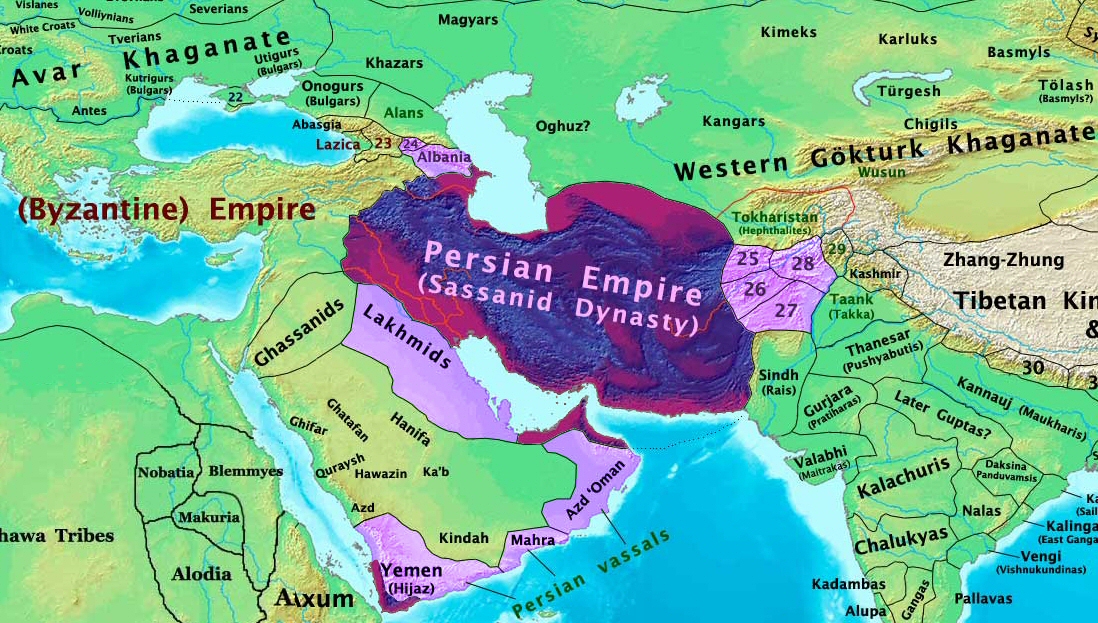
Bahrain ceded to Dutch Republic by the Persian Empire
Bahrain
Geopolitics
Trade
3 min read
Updated By: History Editorial Network (HEN)
Published:
Updated:
In 1683, Bahrain was ceded to the Dutch Republic by the Persian Empire. This event took place due to the strategic location of Bahrain in the Persian Gulf, making it a valuable territory for trade and naval purposes. The Dutch Republic, known for its strong maritime presence, saw an opportunity to expand its influence in the region by acquiring control over Bahrain. This transfer of power had significant implications for trade routes and political dynamics in the Persian Gulf.
The Persian Empire's decision to cede Bahrain to the Dutch Republic marked a shift in power dynamics in the region, as European colonial powers vied for control over key trade routes. The Dutch presence in Bahrain bolstered their influence in the Persian Gulf, allowing them to strengthen their trade networks and assert their authority in the area. This move also brought about cultural exchanges and interactions between the Dutch and the local population, shaping the social fabric of Bahrain.
The cession of Bahrain to the Dutch Republic underscored the geopolitical complexities of the time, as empires and colonial powers sought to extend their influence across the globe. It highlighted the strategic importance of Bahrain as a key player in the global trade network and a valuable asset for those seeking to expand their reach in the region.
#Bahrain #DutchRepublic #PersianEmpire #Trade #Geopolitics

Explore the Life Moments of
 AI Twin