
Djibouti

Horn of Harmony
Related Lives

Horror Movies
Nightmares on Screen

Canadian Federal Election
Canada Decides

World War I
The Great War

Serbia
The Heart of the Balkans

Prime Minister of the United Kingdom
The Head of Government

Finland
Land of a Thousand Lakes

The Presidents of the United States
Head of State


1376
In 1376, Sultan Sa'ad ad-Din Abdul Muhammad, known as Sa'ad ad-Din II, ascended to the throne following the death of his brother. His reign was marked by aggressive military campaigns against the Abyssinian Christian army, particularly targeting regional chiefs who were loyal to the Ethiopian Emperor. Notable among these were the chiefs at Zalan and Hadeya, whose support for the Emperor made them prime targets for Sa'ad ad-Din II's forces. According to historian Mordechai Abir, the Sultan's military tactics were characterized by hit-and-run raids, which were designed to disrupt and weaken the enemy's resolve. However, these aggressive actions ultimately had the opposite effect, as they galvanized the Christian ruler's determination to eliminate Muslim influence in the region. This period of conflict set the stage for ongoing hostilities between the Muslim and Christian states in the Horn of Africa, with Sa'ad ad-Din II's reign being a significant chapter in the historical narrative of the Ethiopian Empire's struggle against external threats. #mooflife #mof #MomentOfLife #Sa'adAd-dinIi #EthiopianEmpire #AbyssinianChristianArmy #MuslimRule #HornOfAfrica
View details1288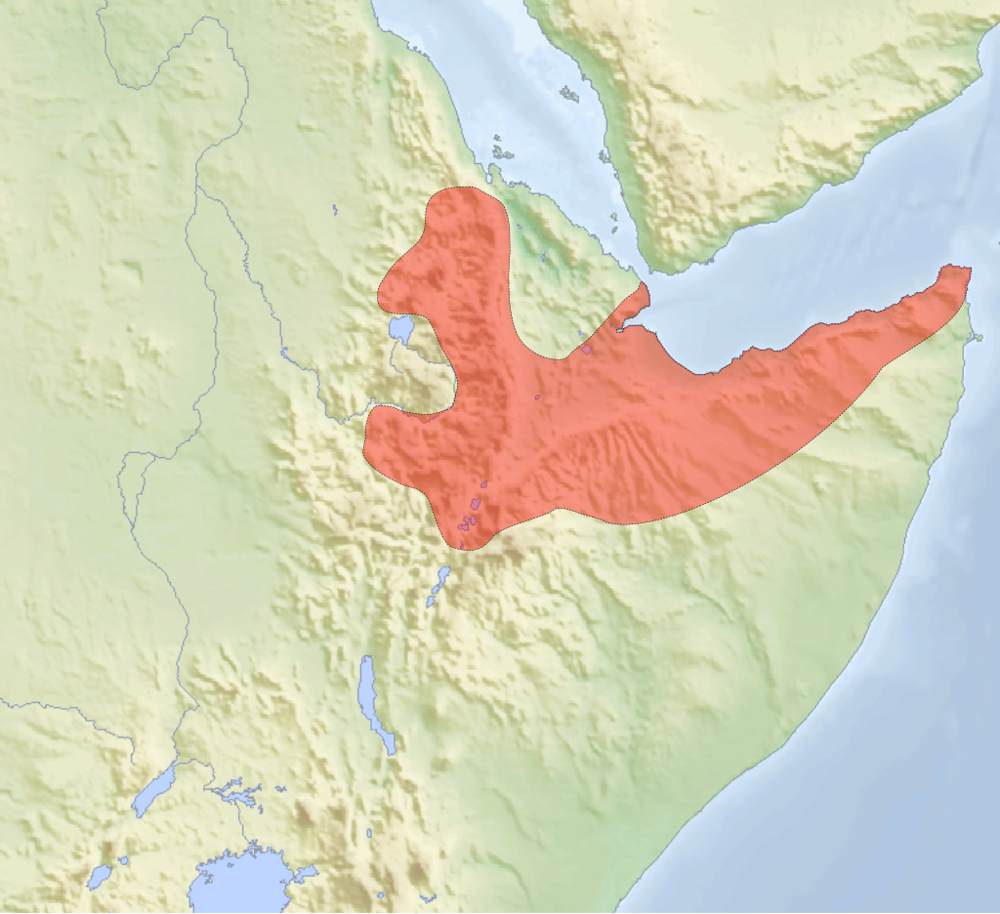
The Kingdom of Adal, a small yet wealthy entity, has its earliest historical reference linked to the collapse of the Makhzumi dynasty in July 1288. During this tumultuous period, the notable leader 'Ali Baziyu spearheaded a military campaign in the regions of Adal and Mora. This campaign culminated in the decisive defeat and subsequent execution of the local lords, marking a significant shift in power dynamics in the region. Following this victory, 'Ali Baziyu, who emerged as the Sultan, strategically annexed both Adal and Mora into his expanding kingdom. This annexation not only solidified his control but also enhanced the economic and political stature of his realm. The city of Zeila, recognized as the headquarters of the Kingdom of Adal, played a crucial role in its administration and trade, further contributing to its wealth. The historical significance of Adal is also noted by travelers such as Marco Polo, who highlighted its importance in the broader context of trade and cultural exchange in the region. The events of 1288 thus mark a pivotal moment in the history of Adal, setting the stage for its future developments and interactions with neighboring powers. #mooflife #mof #MomentOfLife #Adal #Mora #AliBaziyu #MakhzumiDynasty #HistoricalCampaigns
View details1285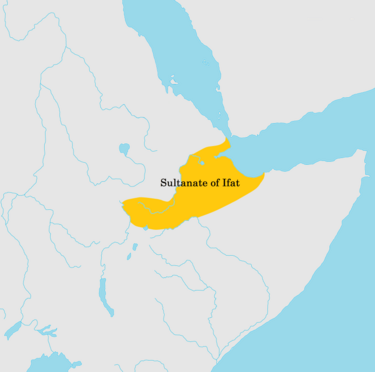
The Ifat Sultanate, founded by the Walashma dynasty, was a powerful medieval Muslim state in the Horn of Africa. Emerging in the late 13th century, it played a significant role in the region's political and economic landscape. The sultanate was known for its expansionist ambitions, extending its influence into present-day Djibouti and Somaliland. As a vital trade hub, Ifat controlled key routes connecting the interior of Africa to the Red Sea, facilitating commerce between Arab merchants and African traders. Its strategic position allowed it to flourish culturally and economically, shaping the historical trajectory of the Horn of Africa.
Throughout its history, the Ifat Sultanate frequently clashed with the Christian Kingdom of Abyssinia, engaging in a series of conflicts over territory and religious dominance. Despite facing external pressures, the sultanate remained resilient, contributing to the spread of Islam and fostering a rich legacy of architectural and scholarly achievements. The Walashma dynasty played a crucial role in governance, strengthening the Islamic identity of the region. Ifat’s influence eventually paved the way for the rise of the more powerful Adal Sultanate, which continued its legacy of resistance and expansion. Today, the history of Ifat remains an essential chapter in the story of East Africa’s medieval civilizations.
#IfatSultanate #HornOfAfrica #IslamicHistory #WalashmaDynasty #MedievalAfrica #AfricanHistory #Djibouti #Somaliland #MomentsOfLife #MoofLife_Moment #MoofLife
View details9th century
The Adal Kingdom, also known as Awdal, Adl, or Adel, emerged in the early 9th century, primarily centered around the historic city of Zeila, which served as its capital. Established by local Somali clans, the kingdom played a significant role in the region's history and development. Zeila, an ancient city, was one of the earliest urban centers to embrace Islam shortly after the hijra, marking its importance in the spread of the religion across the Horn of Africa. The city became a bustling hub for merchants from various parts of the world, which significantly contributed to its wealth and cultural diversity. Notably, Zeila is home to the Masjid al-Qiblatayn, a two-mihrab mosque dating back to the 7th century, recognized as the oldest mosque in the region. The late 9th century saw the visit of Al-Yaqubi, an Arab Muslim scholar, who documented the thriving trade and cultural exchanges occurring in Zeila, further highlighting the city's prominence during this period. The establishment of the Adal Kingdom marked a pivotal moment in Somali history, laying the groundwork for future political and social developments in the region. #mooflife #mof #MomentOfLife #AdalKingdom #Zeila #SomaliHistory #IslamicHeritage #9thCentury
View details2000 BCE
During the reign of Mentuhotep III, around 2000 BC, Egypt saw significant maritime activity, particularly through expeditions to the fabled land of Punt. An officer named Hannu played a pivotal role in organizing these voyages, which were crucial for establishing trade routes and acquiring valuable resources such as gold, incense, and exotic animals. While Hannu's leadership was instrumental, it remains unclear whether he personally participated in these expeditions. The voyages to Punt were not isolated events; they were part of a broader pattern of trade and exploration that continued through subsequent dynasties, including the Sixth, Twelfth, and Eighteenth. Notably, during the Twelfth Dynasty, the significance of these trade missions was immortalized in literature, such as the 'Tale of the Shipwrecked Sailor,' which reflects the cultural importance of Punt in Egyptian society. The expeditions under Mentuhotep III laid the groundwork for future trading missions led by later pharaohs like Senusret I and Amenemhat II, further solidifying Egypt's economic and cultural ties with this mysterious and prosperous region. The legacy of these voyages continues to be a subject of interest for historians and archaeologists, shedding light on the complexities of ancient Egyptian trade and diplomacy. #mooflife #mof #MomentOfLife #MentuhotepIii #Punt #AncientEgypt #TradeExpeditions #11thDynasty
View details