
Laos

Land of a Million Elephants
About
#Laos
#Laos_Timeline
#Laos_History
#Laos_History_Timeline
Life Classification
Country
Life ID
EL3341111604240
Verified Name
laos
Life Type
Entity Life
Life Editor(s)
History Editorial Network (HEN)
Life Privacy
Public
Subscription
Elite
Created On
2025-01-08
Updated On
2025-12-19
Connect
Related Lives

Comoros
A Blend of Cultures, Natural Beauty, and Challenges

Libya
Oasis of the Sahara

Ethiopia
Federal Democratic Republic of Ethiopia

Bosnia and Herzegovina
The Land of Golden Lilies

Sweden
The Land of the Midnight Sun

Iraq
The Cradle of Civilization

Poland
The Land of a Thousand Lakes

Romania
The Gateway to the Balkans

2026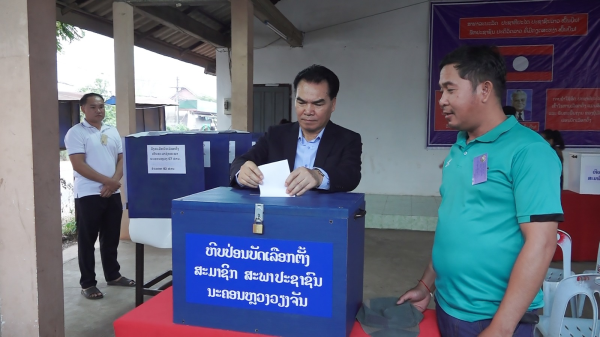
On 22/02/2026, Laos conducted elections for the 10th National Assembly and the 5th Provincial People’s Councils, with approximately 4.76 million eligible voters expected to participate nationwide. The vote was organized under the authority of the ruling Lao People's Revolutionary Party, the country’s only legally recognized political party, reflecting the one-party structure of the Lao political system.
Voters selected 175 deputies to serve in the National Assembly, an increase from 164 seats in the previous legislature elected in 2021. The candidates numbered 243, all pre-approved through the party-led nomination process. At the provincial level, citizens simultaneously elected 745 representatives to 18 Provincial People’s Councils, which function as local legislative bodies. Polling stations opened across the country, including in the capital, Vientiane, where President and LPRP General Secretary Thongloun Sisoulith cast his ballot at Polling Station No. 1.
The elections followed the 12th National Congress of the LPRP in January 2026, during which Thongloun Sisoulith was re-elected as party General Secretary for a second five-year term. The newly elected National Assembly is tasked with implementing the country’s 10th Five-Year Socio-Economic Development Plan for 2026 to 2030. According to official statements, the plan prioritizes administrative modernization, economic stabilization, and efforts to reduce public debt.
Laos operates under a centralized political framework in which the LPRP maintains authority over candidate selection and governance. Independent observers and human rights organizations have consistently characterized Lao elections as non-competitive, citing the absence of legally recognized opposition parties and the pre-screening of candidates. Official turnout figures and final seat distributions were expected to be announced by state authorities following the completion of vote counting procedures.
View details2017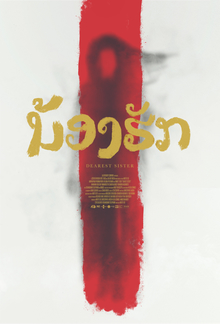
In September 2017, Laos made a historic move by submitting 'Dearest Sister' (Lao: ນ້ອງຮັກ), the second feature film directed by Mattie Do, for consideration at the 90th Academy Awards in the category of Best Foreign Language Film. This submission marked a significant milestone as it was the first time Laos had ever entered a film for Oscar consideration. 'Dearest Sister' is a poignant narrative that explores themes of family, love, and the supernatural, showcasing the unique cultural backdrop of Laos. The film has garnered attention for its compelling storytelling and has been recognized in various international film festivals, further establishing Mattie Do as a prominent figure in the global cinema landscape. The submission of 'Dearest Sister' not only highlights the growing film industry in Laos but also paves the way for future filmmakers from the region to gain international recognition. This landmark event is a testament to the evolving narrative of Laotian cinema and its potential to resonate with audiences worldwide. #mooflife #mof #MomentOfLife #DearestSister #MattieDo #LaosCinema #90thAcademyAwards #BestForeignLanguageFilm
View detailsThe 2017 documentary feature film 'Blood Road' is a poignant exploration of the impact of the Vietnam War on Laos, particularly focusing on the legacy of unexploded ordnance (UXO) in the region. Predominantly shot in Laos, the film received significant support from the Lao government, highlighting the collaborative effort to bring this important story to light. 'Blood Road' follows the journey of a woman who embarks on a cycling expedition along the Ho Chi Minh Trail, retracing her father's footsteps as a soldier during the war. The film not only showcases the breathtaking landscapes of Laos but also sheds light on the ongoing challenges faced by the country due to the remnants of war. In recognition of its powerful storytelling and impactful message, 'Blood Road' was honored with a News and Documentary Emmy Award in 2018, solidifying its place as a significant work in documentary filmmaking. This film serves as a reminder of the resilience of the Laotian people and the importance of addressing the consequences of conflict. #mooflife #mof #MomentOfLife #BloodRoad #Documentary #Laos #VietnamWar #EmmyAward
View details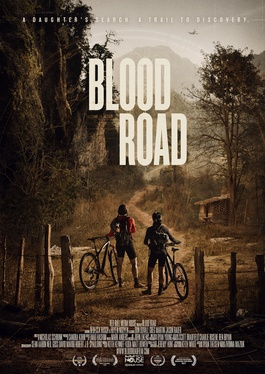
2015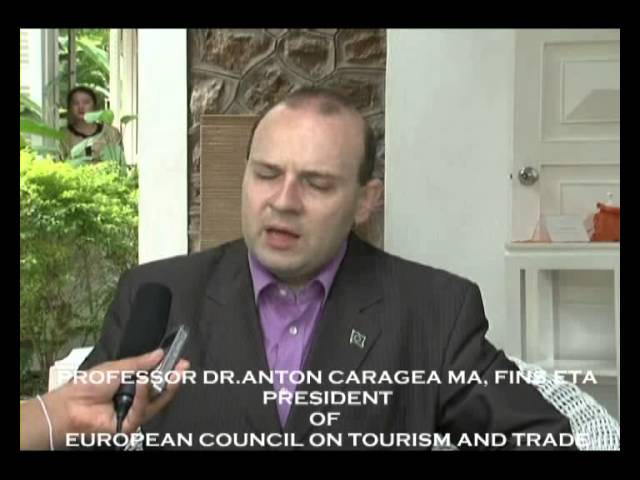
In 2015, the European Council on Tourism and Trade (ECTT) delegation visited Laos, recognizing it as the World Best Tourist Destination. This prestigious acknowledgment underscores Laos' rich cultural heritage, stunning landscapes, and unique experiences that attract travelers from around the globe. The delegation's visit highlighted the country's potential as a premier tourist destination, showcasing its diverse offerings, including ancient temples, vibrant festivals, and breathtaking natural scenery. The recognition by the ECTT serves as a catalyst for promoting sustainable tourism in Laos, encouraging investment and development in the tourism sector. As Laos continues to enhance its infrastructure and services, it is poised to become a leading destination in Southeast Asia, appealing to both adventure seekers and cultural enthusiasts alike. The ECTT's endorsement not only boosts Laos' international profile but also emphasizes the importance of preserving its natural and cultural assets for future generations. This visit marks a significant milestone in Laos' journey towards becoming a top-tier tourist destination, fostering economic growth and cultural exchange. #mooflife #mof #MomentOfLife #LaosTourism #EuropeanCouncilOnTourismAndTrade #WorldBestTouristDestination #SustainableTourism #CulturalHeritage
View details2014
In 2014, the Lao People's Democratic Republic achieved a significant milestone by becoming a member of the World Trade Organization (WTO). This membership is a pivotal step in Laos' integration into the global economy, providing the country with enhanced access to international markets and increased trade opportunities. The accession process required extensive reforms to align Laos' trade policies with international standards, demonstrating the country's commitment to modernizing its economy. By joining the WTO, Laos aims to attract foreign investment, which is crucial for its economic growth and development. The membership is expected to facilitate a more competitive environment for local businesses and improve the overall economic landscape of the nation. As Laos continues to engage with global trade systems, its participation in the WTO is anticipated to play a vital role in fostering sustainable economic development and improving the livelihoods of its citizens. #mooflife #mof #MomentOfLife #Laos #Wto #WorldTradeOrganization #EconomicGrowth #InternationalTrade
View details2013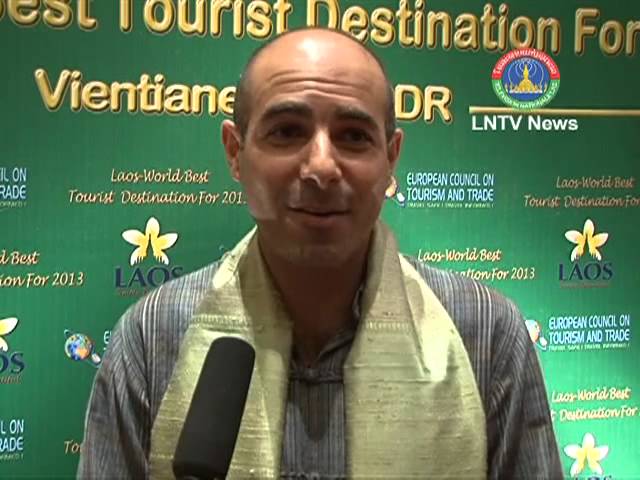
In 2013, Laos was honored with the prestigious 'World Best Tourist Destination' award by the European Council on Trade and Tourism, recognizing its rich architectural heritage and historical significance. This accolade underscores the country's commitment to promoting tourism while safeguarding its cultural and historical assets. The Lao National Tourism Administration, in collaboration with various government agencies and the private sector, is actively implementing the National Ecotourism Strategy and Action Plan. This initiative aims to minimize the environmental and cultural impacts of tourism, while also enhancing awareness of the importance of ethnic diversity and biological conservation. As a result, Laos is not only a destination for travelers seeking unique experiences but also a model for sustainable tourism practices. Visitors can explore ancient temples, vibrant markets, and breathtaking landscapes, all while contributing to the preservation of the country's rich heritage. The recognition as the 'World Best Tourist Destination' serves as a testament to Laos's ongoing efforts to balance tourism development with cultural preservation, making it a must-visit location for those interested in history and architecture. #mooflife #mof #MomentOfLife #Laos #WorldBestTouristDestination #Tourism #CulturalHeritage #Ecotourism
View detailsThe Rocket, a remarkable film featuring a Laotian cast speaking their native language, made its debut at the 2013 Melbourne International Film Festival. This poignant narrative not only captivated audiences but also garnered significant acclaim, winning three prestigious awards at the Berlin International Film Festival. The film is a testament to the rich cultural heritage of Laos and showcases the talent of its filmmakers and actors. The Rocket is part of a growing movement in Lao cinema, which has been gaining international recognition, particularly through the Lao New Wave Cinema movement. This film stands out for its authentic representation of Laotian life and its ability to resonate with viewers across the globe. The success of The Rocket highlights the importance of diverse storytelling in the film industry and paves the way for more Laotian narratives to be shared on the world stage. #mooflife #mof #MomentOfLife #TheRocket #LaotianCinema #MelbourneInternationalFilmFestival #BerlinInternationalFilmFestival #LaoNewWaveCinema
View details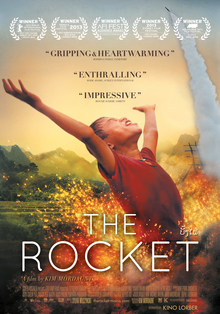
2012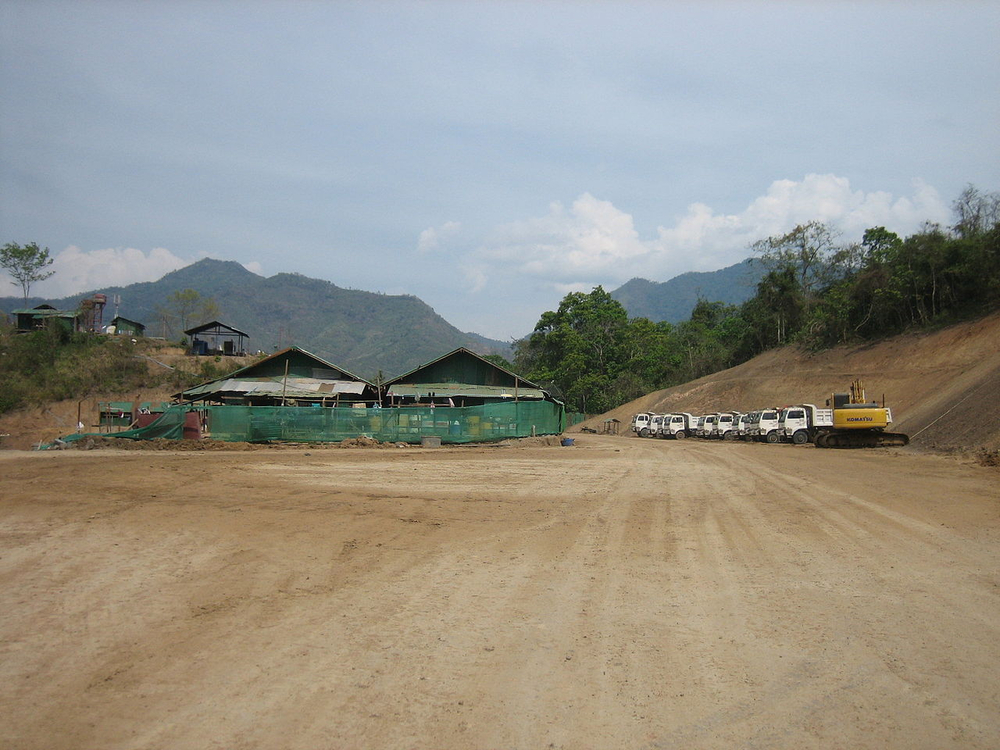
In 2012, Laos made a significant decision by approving the construction of the Xayaburi dam on the Mekong River. This 'mega' dam project is anticipated to generate substantial hydroelectric power, which is crucial for Laos's economic development and energy needs. However, the approval has ignited a wave of controversy and concern among neighboring countries, environmentalists, and local communities. Critics argue that the dam could severely disrupt the Mekong's delicate ecosystem, which supports millions of people who depend on the river for their livelihoods, including fishing and agriculture. The Mekong River is one of the most biodiverse rivers in the world, and any alteration to its flow could have far-reaching consequences. The decision to proceed with the Xayaburi dam underscores the ongoing tension in the region between the pursuit of economic growth and the imperative of environmental preservation. As Laos moves forward with this ambitious project, the implications for regional cooperation and ecological sustainability remain a critical concern. #mooflife #mof #MomentOfLife #XayaburiDam #MekongRiver #HydroelectricPower #EnvironmentalImpact #LaosDevelopment
View detailsChanthaly, a groundbreaking film from Lao Art Media, directed by the talented Mattie Do, made its mark at the 2013 Fantastic Fest. This film is notable for being one of the first horror films produced in Laos, showcasing the unique cultural narratives and cinematic styles of the region. Chanthaly tells the story of a young woman grappling with the supernatural while navigating her own personal struggles, blending traditional Lao folklore with contemporary themes. The film's screening at Fantastic Fest, a renowned festival that celebrates genre films, provided a significant platform for Lao cinema, highlighting its potential on the international stage. Mattie Do's direction has been praised for its innovative approach and ability to evoke deep emotional responses, making Chanthaly a pivotal work in Southeast Asian cinema. The film not only entertains but also opens a dialogue about the complexities of life in Laos, making it a must-watch for film enthusiasts and cultural scholars alike. #mooflife #mof #MomentOfLife #Chanthaly #MattieDo #LaoCinema #FantasticFest #HorrorFilms
View details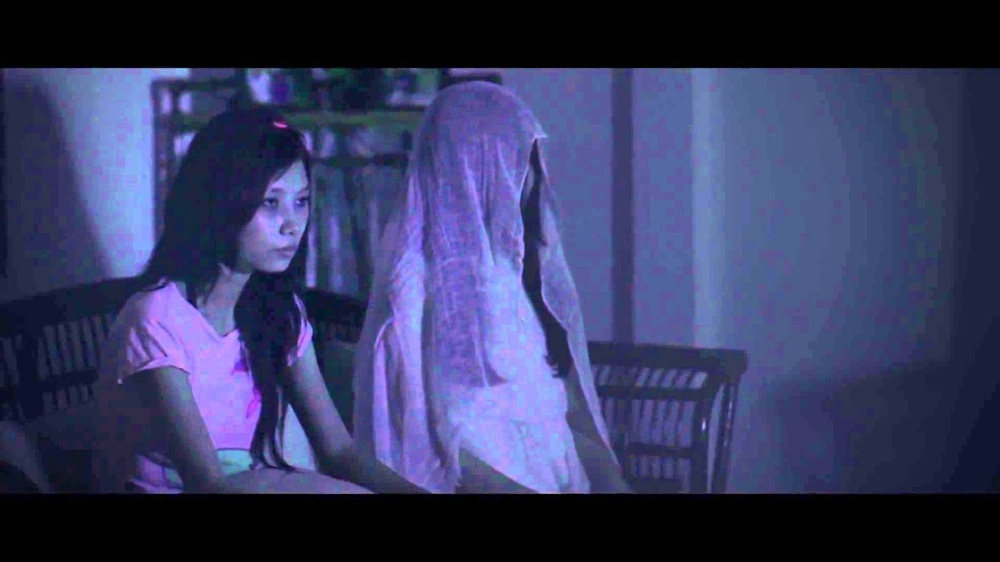
2011
On March 9, 2011, the Family Code of Lao People's Democratic Republic (Lao PDR) was officially archived, marking a significant step in the legal framework governing family relations in the country. This code aims to establish clear guidelines regarding marriage, divorce, child custody, and inheritance, reflecting the cultural values and social norms of Lao society. The Family Code emphasizes the importance of family as a fundamental unit of society and seeks to protect the rights of all family members, particularly women and children. By codifying family law, the government of Lao PDR aims to promote gender equality and enhance the legal status of women within the family structure. The implementation of this code is expected to contribute to the overall development of the nation by fostering stable family environments, which are essential for social cohesion and economic progress. The Family Code is a crucial component of Lao PDR's commitment to international human rights standards, particularly those related to family rights and gender equality. As the country continues to evolve, the Family Code will play a vital role in shaping the dynamics of family life and ensuring that the rights of individuals are upheld within the family context. #mooflife #mof #MomentOfLife #LaoPdr #FamilyCode #FamilyLaw #GenderEquality #LegalFramework
View details2008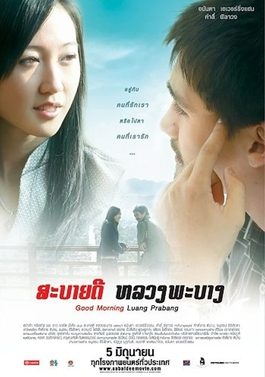
Sabaidee Luang Prabang, released in 2008, stands as a significant milestone in the Laotian film industry. This commercial feature-length film was produced with the support of the Lao government, showcasing the rich cultural heritage and stunning landscapes of Luang Prabang, a UNESCO World Heritage site. The film not only highlights the beauty of Laos but also delves into the lives of its people, offering a narrative that resonates with both local and international audiences. The production of Sabaidee Luang Prabang marked a pivotal moment for Laotian cinema, paving the way for future filmmakers and inspiring a new generation of storytellers in the region. Its success has contributed to the growing recognition of Laos as a vibrant hub for film and culture in Southeast Asia. The film's impact continues to be felt, as it has opened doors for more cinematic projects in Laos, fostering a sense of pride and identity among its people. #mooflife #mof #MomentOfLife #SabaideeLuangPrabang #LaosCinema #LaotianFilm #UnescoWorldHeritage #CulturalHeritage
View details1959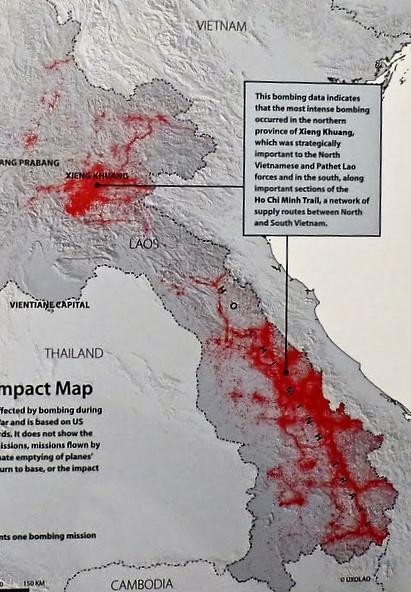
In 1962, Laos experienced a significant escalation in its internal conflict, leading to a civil war between the Royal Laotian government and the Pathet Lao. The political landscape was heavily influenced by Souvanna Phouma, the Prime Minister at the time, whose efforts to establish a neutral coalition government were ultimately unsuccessful. This failure intensified the struggle for power, as the Pathet Lao, a communist political movement, gained momentum. The situation was further complicated by external influences, as the Pathet Lao received military support from the People's Army of Vietnam (PAVN) and the Viet Cong, both of which were deeply involved in the broader context of the Vietnam War. The conflict in Laos was not merely a domestic issue; it was intertwined with the regional dynamics of the Cold War, where various factions vied for control and influence. The civil war that ensued would have lasting implications for Laos, contributing to its eventual alignment with communist forces and shaping its political landscape for decades to come. #mooflife #mof #MomentOfLife #LaosCivilWar #SouvannaPhouma #PathetLao #VietnamWar #Pavn
View details1955
In 1975, the Lao People's Revolutionary Party (LPRP) established the Lao People's Democratic Republic, marking a significant shift in the political landscape of Laos following the end of the Vietnam War. This transition culminated in the abolition of the monarchy and the conclusion of a prolonged civil war that had plagued the nation. The LPRP, which espoused Marxism-Leninism, implemented a one-party socialist republic, aligning itself closely with the Soviet Union during the Cold War era. This alignment facilitated economic and military support from the USSR, which was crucial for the new government as it sought to stabilize and develop the country. The period following the establishment of the republic was characterized by efforts to consolidate power, implement socialist policies, and promote national unity. However, the dissolution of the Soviet Union in 1991 posed new challenges for Laos, leading to a reevaluation of its economic strategies and international relations. The legacy of 1975 continues to influence Laos's political and economic landscape today, as the country navigates its path in a rapidly changing world. #mooflife #mof #MomentOfLife #LaoPeople'sDemocraticRepublic #LaoPeople'sRevolutionaryParty #Marxism-leninism #SovietUnion #VietnamWar
View details1953
In 1953, Laos achieved a significant milestone in its history by regaining independence from French colonial rule, officially becoming the Kingdom of Laos. This transition marked the establishment of a constitutional monarchy under the reign of King Sisavang Vong. The journey towards independence began earlier, as Laos had gained a degree of autonomy in 1949, but it was not until 1953 that full sovereignty was realized. The new government aimed to modernize the country and improve the living conditions of its citizens. However, the political landscape was soon to change dramatically. By 1959, Laos was plunged into a civil war, primarily fueled by the rise of the communist Pathet Lao movement, which received support from North Vietnam. This conflict would have lasting implications for the nation, shaping its political and social dynamics for decades to come. The independence of Laos in 1953 is a pivotal moment that laid the groundwork for the country's future, despite the challenges that followed in the subsequent years. #mooflife #mof #MomentOfLife #LaosIndependence #KingdomOfLaos #SisavangVong #FrenchColonialRule #LaosCivilWar
View details1945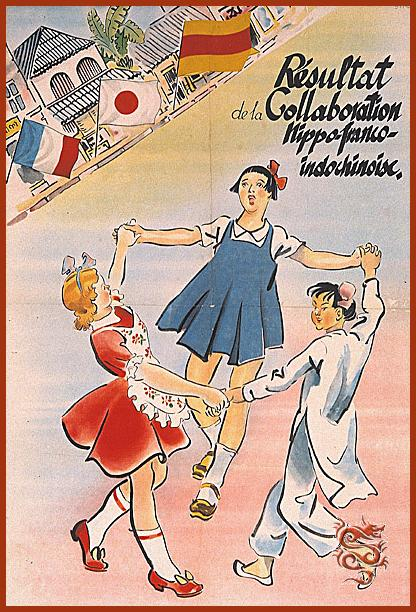
In 1945, Laos experienced a significant shift in its political landscape as it regained independence from colonial rule, albeit briefly, under Japanese occupation during World War II. The Japanese had occupied Laos, which was previously a French protectorate, and established a puppet state in the region. This period marked a complex interplay of power dynamics, as the Japanese sought to exploit Laos' resources while simultaneously fostering a sense of nationalism among the Laotian people. However, this independence was short-lived, as Laos was recolonized by France shortly after the end of World War II. The French reasserted their control over the region, leading to a struggle for autonomy that culminated in 1949 when Laos was granted a degree of self-governance. This period laid the groundwork for future movements towards full independence, which would eventually be achieved in the 1950s. The events of 1945 are crucial in understanding the historical context of Laos' journey towards sovereignty and the impact of foreign occupation on its national identity. #mooflife #mof #MomentOfLife #Laos #JapaneseOccupation #Independence #FrenchColonialism #WorldWarIi
View details1893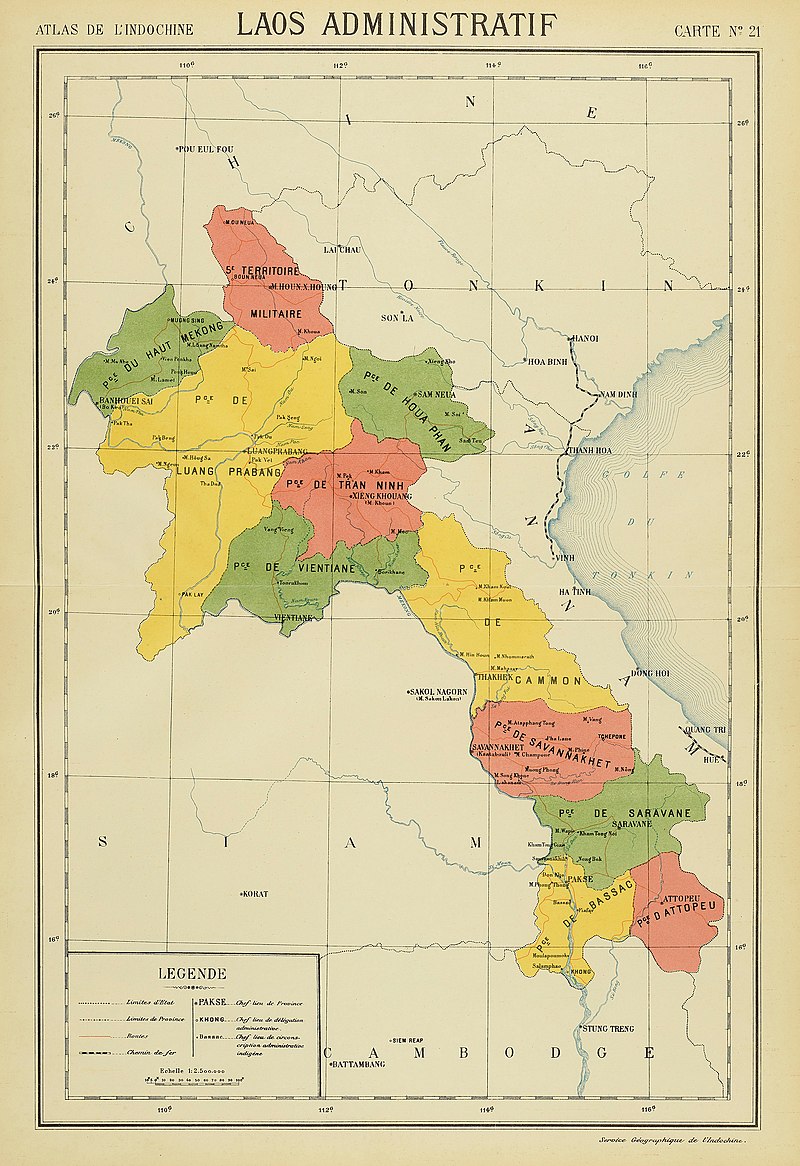
In 1893, the historical region of Lan Xang, which had previously experienced significant internal conflict, saw the emergence of three distinct kingdoms: the Kingdom of Luang Phrabang, the Kingdom of Vientiane, and the Kingdom of Champasak. These kingdoms, each with their own unique cultural and political identities, were ultimately united under a French protectorate. This unification marked a significant turning point in the region's history, as it brought about a new era of colonial governance and foreign influence. The French protectorate aimed to stabilize the region and exploit its resources, while also introducing Western education and infrastructure. However, this period was not without its challenges, as local resistance and the complexities of colonial rule often led to tensions. The French administration would remain in control until the mid-20th century, when Laos would experience further upheaval during World War II, including a brief occupation by Japan. Following the war, Laos regained a form of independence in 1945, albeit as a Japanese puppet state, before eventually moving towards full sovereignty. The legacy of the French protectorate continues to shape Laos's cultural and political landscape today. #mooflife #mof #MomentOfLife #FrenchProtectorate #LaosHistory #KingdomOfLuangPhrabang #Colonialism #SoutheastAsia
View details1876
In 1876, a significant military campaign was launched by the Siamese forces in Laos, reflecting the prevailing warfare dynamics of pre-modern Southeast Asia. During this period, the acquisition of human resources was prioritized over territorial conquest, leading to conflicts that were often characterized by the seizing of people rather than land. A British observer noted that the Siamese campaign had devolved into 'slave-hunting raids on a large scale', highlighting the brutal nature of these military operations. The campaign not only aimed to assert Siamese dominance in the region but also to capture individuals for enslavement, which was a common practice in the region at the time. This shift in focus from land acquisition to human capture underscores the socio-political landscape of Southeast Asia in the 19th century, where the value of human resources was paramount. The implications of such campaigns were profound, affecting the demographics and social structures of the regions involved, and leaving a lasting impact on the historical narrative of Southeast Asia. #mooflife #mof #MomentOfLife #SiameseMilitaryCampaign #Laos1876 #SlaveRaids #SoutheastAsiaWarfare #HumanResourceAcquisition
View details1637
In 1637, Sourigna Vongsa ascended to the throne of the Lan Xang kingdom, marking a significant period of expansion for the realm. Under his reign, Lan Xang extended its frontiers, solidifying its influence in Southeast Asia. However, the prosperity of the kingdom was short-lived. Upon Sourigna Vongsa's death, he left no heir, leading to a fragmentation of the kingdom into three principalities. This division weakened the political structure and stability of the region. Between 1763 and 1769, the vulnerability of these principalities was exploited by Burmese armies, who overran the area, further complicating the historical narrative of Lan Xang. The legacy of Sourigna Vongsa's reign is a testament to the challenges of succession and the impact of external forces on regional stability. #mooflife #mof #MomentOfLife #SourignaVongsa #LanXang #BurmeseInvasion #SoutheastAsiaHistory #KingdomFragmentation
View details1520
In 1520, King Photisarath ascended to the throne of the Lan Xang Kingdom, a significant event that marked a pivotal shift in the region's political landscape. To safeguard his kingdom from the looming threat of a Burmese invasion, he made the strategic decision to relocate the capital from Luang Prabang to Vientiane. This move was crucial in fortifying the kingdom's defenses. Following Photisarath's reign, Setthathirath became king in 1548 after the tragic death of his father. He is renowned for commissioning the construction of the iconic That Luang, a symbol of Lao identity and Buddhist faith. However, Setthathirath's reign was marred by instability; he mysteriously disappeared in the mountains during a military expedition to Cambodia. His disappearance plunged Lan Xang into over 70 years of turmoil characterized by invasions from the Burmese and internal civil wars. This period of instability significantly impacted the kingdom's development and cohesion, leading to a fragmented political landscape until the ascension of Sourigna Vongsa in 1637, who would later work towards restoring stability and unity in Lan Xang. #mooflife #mof #MomentOfLife #LanXang #Photisarath #Setthathirath #ThatLuang #BurmeseInvasion
View details