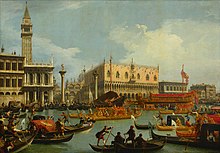
Doge of Venice: Transition to an Elective Position in the Administration.
Italy
Political
5 min read
Updated By: History Editorial Network (HEN)
Published:
In the year 697, a transformative event unfolded in Venice, Italy, with the establishment of the Doge of Venice as an elective position. Before this monumental shift, the Doge was a hereditary position passed down within select noble families. However, the system faced challenges including power struggles and potential abuse. To address these issues, the Venetians opted to introduce a new electoral process to choose their leader. The Doge of Venice served as the chief magistrate and leader of the Venetian Republic. The transition to an elective position meant that the Doge would now be elected by a council of prominent citizens, offering a more democratic approach to governance. This change aimed to reduce the concentration of power within a few elite families and prevent dynastic conflicts from destabilizing the city-state. With the establishment of the Doge as an elective position, Venice witnessed a more inclusive and transparent method of selecting its leader. Citizens could now participate in the political process through their representatives, ensuring a broader representation of the population's interests. This shift towards a more democratic system helped to strengthen the stability and legitimacy of the government. The impact of the electoral system for the Doge of Venice was profound. It not only promoted a sense of civic pride and unity among the Venetians but also enhanced the political stability of the Republic. By allowing for a more meritocratic selection process, the Venetians could choose leaders based on their abilities and qualifications rather than solely on their lineage. The establishment of the Doge of Venice as an elective position marked a turning point in the city-state's history, paving the way for a more inclusive and representative form of government. This decision resonated throughout the centuries, shaping Venice's political landscape and influencing future democratic movements. In conclusion, the transition to an elective Doge of Venice in 697 was a significant moment in Italian history, symbolizing the city-state's commitment to democratic principles and political reform. It stands as a testament to Venice's progressive spirit and its willingness to adapt to changing times. #VenetianRepublic #DemocraticReform #PoliticalHistory
Primary Reference
COMMISSION OF THE EUROPEAN COMMUNITIES Brussels, 21.11 ...

Explore the Life Moments of
 AI Twin