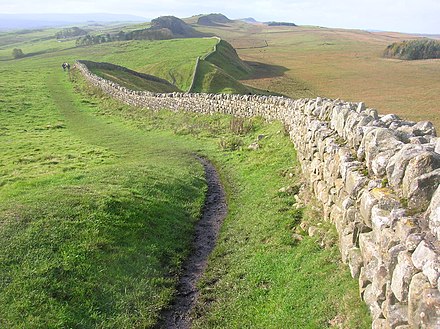
Emperor Hadrian initiates building Hadrian's Wall in Britain to mark Roman territory.
Italy
Tourism
3 min read
Updated By: History Editorial Network (HEN)
Published:
The Roman Emperor Hadrian initiated the construction of Hadrian's Wall in Britain. The Wall was built to mark the northern boundary of the Roman Empire and protect against invasions from the tribes beyond. Stretching over 73 miles from coast to coast, the Wall was a monumental feat of engineering, consisting of stone walls, forts, and defensive structures. Hadrian's Wall was strategically placed to control movement between Roman Britain and the unconquered territory to the north. It served as a clear symbol of Roman power and deterred potential invaders. The construction of the Wall also provided economic opportunities for soldiers and workers in the region. The impact of Hadrian's Wall was significant. It not only served a practical military purpose but also projected Roman authority and civilization. The Wall became a UNESCO World Heritage Site and a popular tourist destination, attracting visitors from around the world to marvel at its ancient grandeur. Hadrian's Wall symbolizes the Roman Empire's reach and influence, showcasing their military prowess and strategic planning. The construction of the Wall reflects the Roman vision of order and control in their vast empire. It stands as a reminder of the enduring legacy of Roman engineering and governance. #HadriansWall #RomanEmpire #MilitaryHistory #EngineeringMarvel
Primary Reference
Historic England Regional Timeline

Explore the Life Moments of
 AI Twin