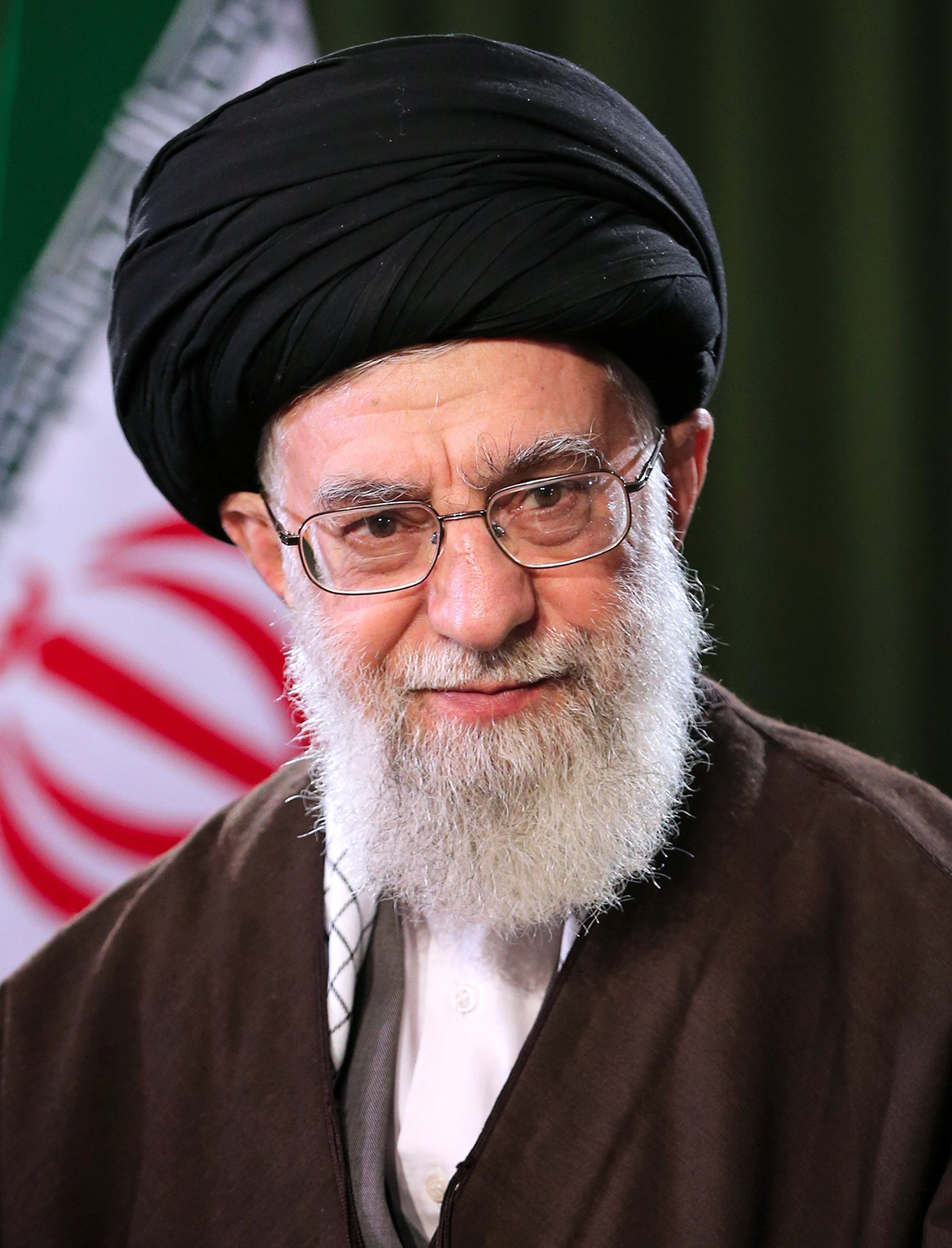
Ali Khamenei Succeeds Khomeini as Iran's Supreme Leader
Political
4 min read
Updated By: History Editorial Network (HEN)
Published:
After the passing of Ruhollah Khomeini, Ali Khamenei succeeded him as the second Supreme Leader of Iran. Khamenei had been serving as the President of Iran since 1981 and was known for his loyalty to Khomeini's revolutionary ideals. His appointment marked a significant transition in Iran's leadership structure.
Khamenei's tenure as Supreme Leader brought about several key changes in Iran. He played a crucial role in steering the country through various internal and external challenges. Under his leadership, Iran continued to pursue its revolutionary goals while also prioritizing stability and development.
Khamenei's policies were characterized by a mix of conservatism and pragmatism. He sought to maintain Iran's sovereignty and independence while also engaging with the international community on certain issues. The economy, social reforms, and foreign relations were some areas where his influence was particularly notable.
Khamenei's appointment as the Supreme Leader had a profound impact on Iran's political landscape. His leadership style and policies shaped the country's trajectory for decades to come. The transition from Khomeini to Khamenei marked a new chapter in Iran's history, with implications for both domestic governance and international relations.
The legacy of Ali Khamenei as the Supreme Leader of Iran remains a subject of debate and analysis. His actions and decisions have had lasting consequences for the country and its people. The complexities of his leadership, including his relationships with different factions within Iran, continue to be a topic of interest for scholars and observers.
#Iran #SupremeLeader #Transition #Legacy
Primary Reference
Ali Khamenei - Wikipedia

Explore the Life Moments of
 AI Twin