Tabriz: Ilkhanate's New Capital
Cultural
4 min read
Updated By: History Editorial Network (HEN)
Published:
Following the disintegration of the Mongol Empire, Hulagu Khan, grandson of Genghis Khan, sought to establish his own realm. In a strategic move, Hulagu selected Tabriz as the capital of the Ilkhanate. Tabriz's location in northwestern Iran made it a key hub for trade routes and a gateway to the Caucasus, Anatolia, and Iraq. The city's position allowed for easy communication with other parts of the empire.
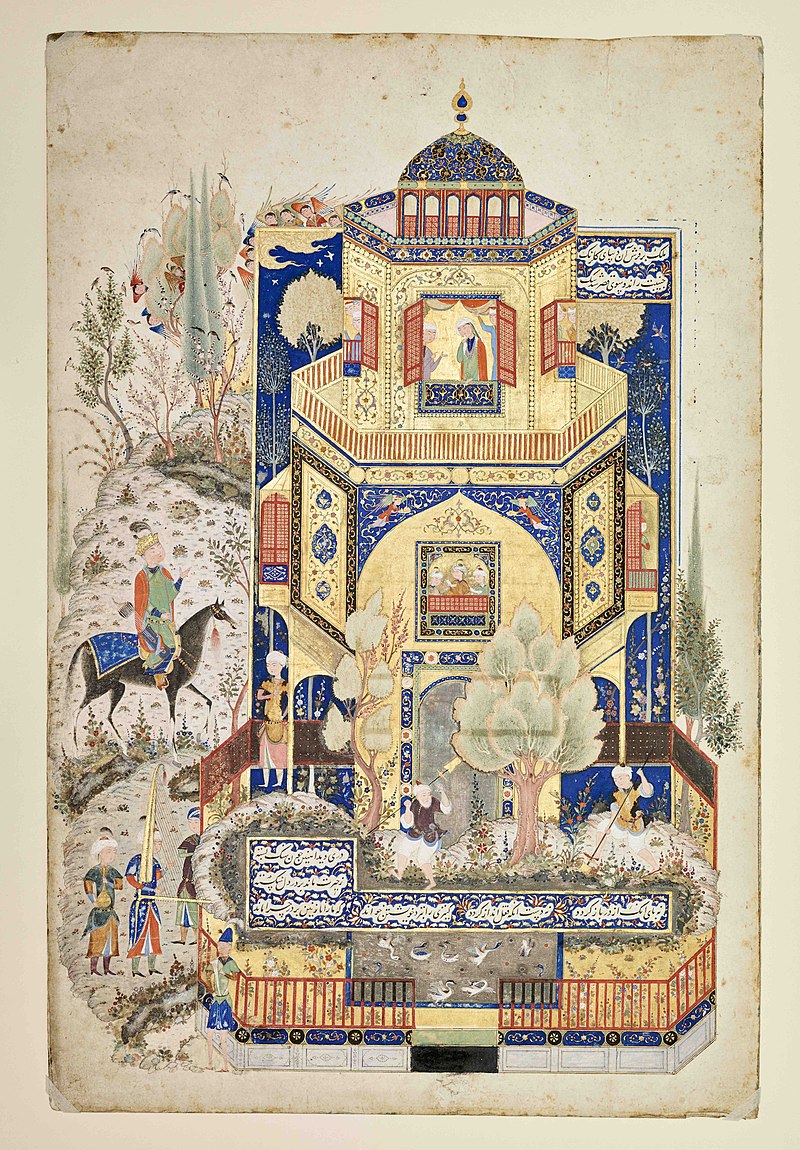
The establishment of Tabriz as the Ilkhanate's capital had significant implications. It elevated the city's status, attracting scholars, artists, and craftsmen, leading to a flourishing of art, culture, and architecture. Tabriz became a melting pot of diverse cultures, home to various ethnicities and religions. The Mongols' adoption of Islam also influenced the region's religious landscape.
The Ilkhanate's administration brought about changes in governance, with new laws and regulations implemented. Tabriz witnessed infrastructural developments, including the construction of mosques, palaces, and bazaars, transforming the city into a bustling urban center. The Mongols' patronage of the arts and sciences further enriched Tabriz's cultural heritage.
The establishment of Tabriz as the Ilkhanate's capital marked a pivotal moment in Iranian history, shaping the region's political and cultural landscape for centuries to come. It highlighted the Mongols' ability to adapt and integrate with local customs, fostering a sense of unity among disparate groups. Tabriz's prominence as a vibrant cosmopolitan city under Mongol rule set the stage for future dynasties and rulers to leave their mark on the region.
#Tabriz #IlkhanateCapital #CulturalFlourishing #HistoricalSignificance
Primary Reference
Ilkhanate - Wikipedia

Explore the Life Moments of
 AI Twin