Scientists 3D-Print a Heart Using a Patient’s Own Cells
Tel Aviv, Israel
Health
4 min read
Updated By: History Editorial Network (HEN)
Published:
Updated:
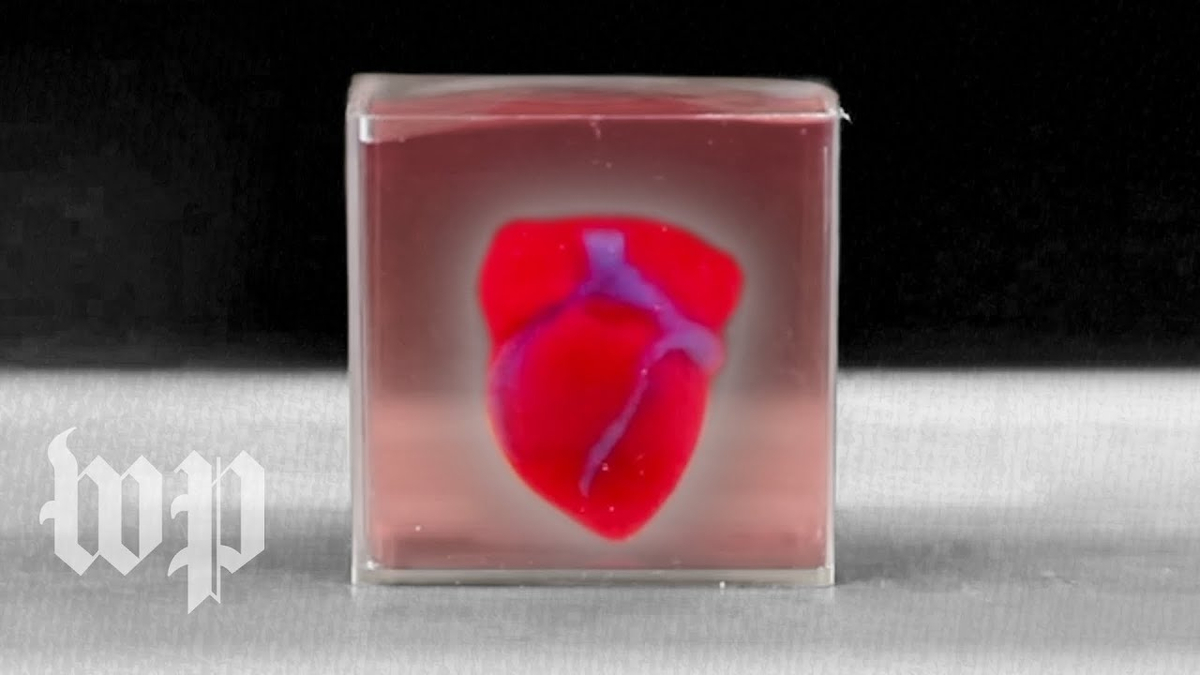
Tel Aviv University announced that they had successfully 3D-printed a small heart using human cells and biological materials derived from a patient. The findings were published in the journal Advanced Science and presented as a step forward in personalized tissue engineering.
The research team, led by Professor Tal Dvir, extracted fatty tissue from a patient and separated the cellular components from the extracellular matrix. The cells were reprogrammed into pluripotent stem cells and then differentiated into cardiac muscle cells and endothelial cells. Meanwhile, the extracellular matrix was processed into a personalized “bioink,” which was used in a 3D bioprinter to construct the heart structure layer by layer.
The printed heart, approximately the size of a rabbit’s heart (about 2.5 cm), included chambers and major blood vessels. According to the researchers, it was the first time an entire heart—with cells, blood vessels, ventricles, and chambers—had been printed using patient-specific biological materials. Previous efforts in tissue engineering had succeeded in printing simple tissues without vascularization, but not a complete organ structure.
Although the 3D-printed heart was able to contract, it did not yet function as a fully developed organ capable of pumping blood effectively. The researchers stated that further maturation and training of the printed tissue would be required before transplantation into animal models could be considered. The announcement was part of ongoing efforts worldwide to address the shortage of donor organs for transplantation.
#3DPrinting
#Bioprinting
#MedicalResearch
Primary Reference
TAU scientists print first ever 3D heart using patient’s own cells

Explore the Life Moments of
 AI Twin