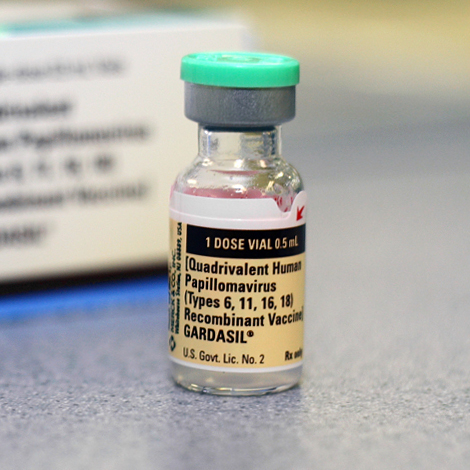
2006 First vaccine to target a cause of cancer
United States
Health
5 min read
Updated By: History Editorial Network (HEN)
Published:
U.S. Food and Drug Administration (FDA) approved Gardasil, the first vaccine designed to prevent infection with human papillomavirus (HPV) types known to cause cervical cancer, marking the first time a vaccine directly targeted a cause of cancer. Developed by Merck & Co., Gardasil was approved for use in females aged 9 to 26 years to prevent cervical cancer, precancerous cervical lesions, and genital warts associated with HPV types 6, 11, 16, and 18. Human papillomavirus is a group of more than 100 related viruses, with at least 14 types identified as high-risk for cancer. HPV types 16 and 18 are responsible for approximately 70% of cervical cancer cases worldwide, according to data from the World Health Organization. Before the introduction of HPV vaccination, cervical cancer was one of the most common cancers among women globally. In the United States, the Centers for Disease Control and Prevention (CDC) estimated that about 9,700 women were diagnosed with cervical cancer annually in the early 2000s, with approximately 3,700 deaths each year.
The development of Gardasil followed decades of research linking HPV infection to cervical cancer. German virologist Harald zur Hausen identified the role of HPV in cervical cancer in the 1970s and 1980s, work that later earned him the Nobel Prize in Physiology or Medicine in 2008. Clinical trials involving more than 20,000 participants demonstrated that the vaccine was highly effective in preventing precancerous cervical lesions caused by HPV types 16 and 18 in women who had not previously been infected with those strains. Following its U.S. approval, other countries authorized the vaccine later in 2006 and subsequent years. In 2009, the FDA expanded approval of Gardasil to include males aged 9 to 26 to prevent genital warts and reduce transmission. Public health agencies worldwide incorporated HPV vaccination into national immunization programs. Over time, studies in countries with high vaccination coverage reported reductions in HPV infections, genital warts, and cervical precancers among vaccinated populations.
The 2006 approval of Gardasil represented the first regulatory authorization of a vaccine specifically aimed at preventing a viral infection known to cause cancer, introducing a new preventive approach in oncology and infectious disease control.
#Gardasil
#HPV
#CervicalCancer
#FDA

Explore the Life Moments of
 AI Twin