Nobel Prize in Medical Microbiology Overview
Stockholm, Sweden
Medicine
Awards
Microbiology
3 min read
Updated By: History Editorial Network (HEN)
Published:
Updated:
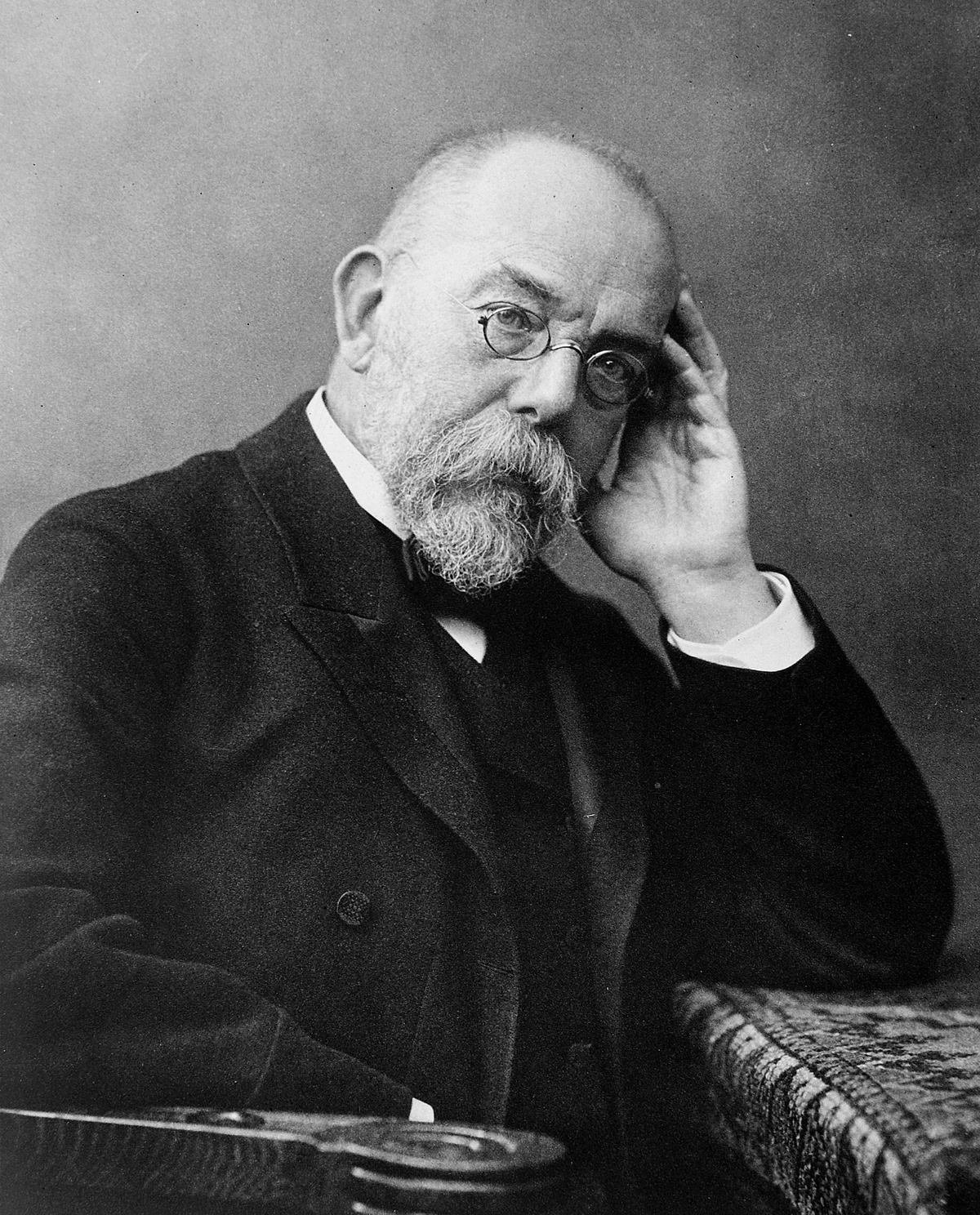
The Nobel Prize in Physiology or Medicine has recognized numerous contributions to the field of medical microbiology, a discipline that focuses on the study of microorganisms and their relationship to human health. One of the pivotal figures in this field is Robert Koch, who is often referred to as the founder of medical microbiology. His groundbreaking work laid the foundation for understanding infectious diseases and their causative agents. Koch's postulates, a series of criteria for establishing a causative relationship between a microbe and a disease, have been instrumental in the development of microbiological research and diagnostics. His research on Mycobacterium tuberculosis, the bacterium responsible for tuberculosis, not only advanced the understanding of this disease but also led to the development of diagnostic tests that are still in use today. The recognition of Koch's contributions through the Nobel Prize highlights the importance of microbiology in medicine and public health.
#mooflife
#MomentOfLife
#NobelPrize
#MedicalMicrobiology
#RobertKoch
#InfectiousDiseases
#MicrobiologyResearch
Primary Reference
Nobel Prize in Physiology or Medicine 1905

Explore the Life Moments of
 AI Twin