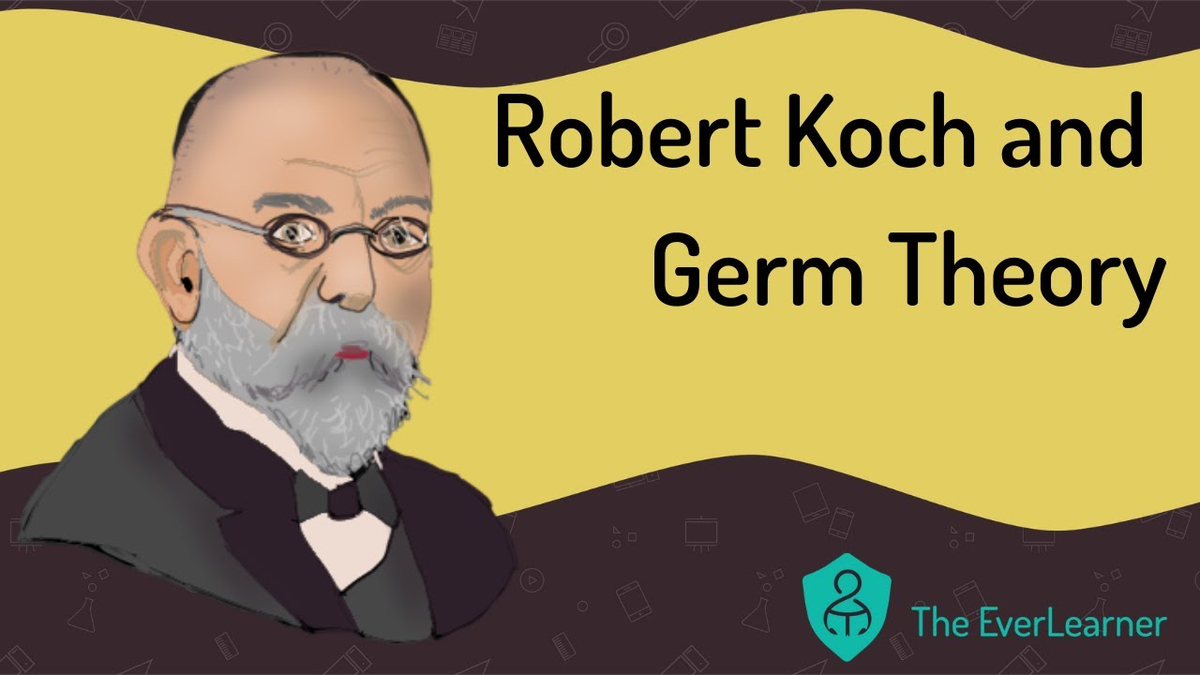
Koch's Acclaim and Germ Theory Impact
Berlin, Germany
Science
Medicine
4 min read
Updated By: History Editorial Network (HEN)
Published:
Updated:
Robert Koch's contributions to microbiology and the germ theory of disease have had a profound impact on medical science. His research laid the groundwork for understanding infectious diseases, particularly through his identification of specific pathogens responsible for various illnesses. One of his most notable achievements was the discovery of the tubercle bacillus, the bacterium responsible for tuberculosis. This discovery was pivotal in demonstrating that specific microorganisms could cause specific diseases, a principle that became a cornerstone of modern medicine. Koch's work not only advanced the field of bacteriology but also provided a scientific basis for the development of diagnostic techniques and treatments for infectious diseases. His treatise on bacterial pathology, published in the late 19th century, further solidified his reputation as a leading figure in medical research.
The impact of Koch's findings extended beyond the laboratory. The germ theory of disease revolutionized public health practices and led to significant changes in how societies approached sanitation, hygiene, and disease prevention. The identification of pathogens allowed for targeted interventions, such as vaccination and antibiotic treatments, which have saved countless lives. Koch's methodologies, including his postulates for linking specific pathogens to specific diseases, continue to influence research and clinical practices today. His legacy is evident in the ongoing efforts to combat infectious diseases worldwide, underscoring the importance of his work in shaping modern medicine and public health policies.
#mooflife
#MomentOfLife
#RobertKoch
#GermTheory
#TubercleBacillus
#InfectiousDiseases
#PublicHealth
Primary Reference
Robert Koch

Explore the Life Moments of
 AI Twin