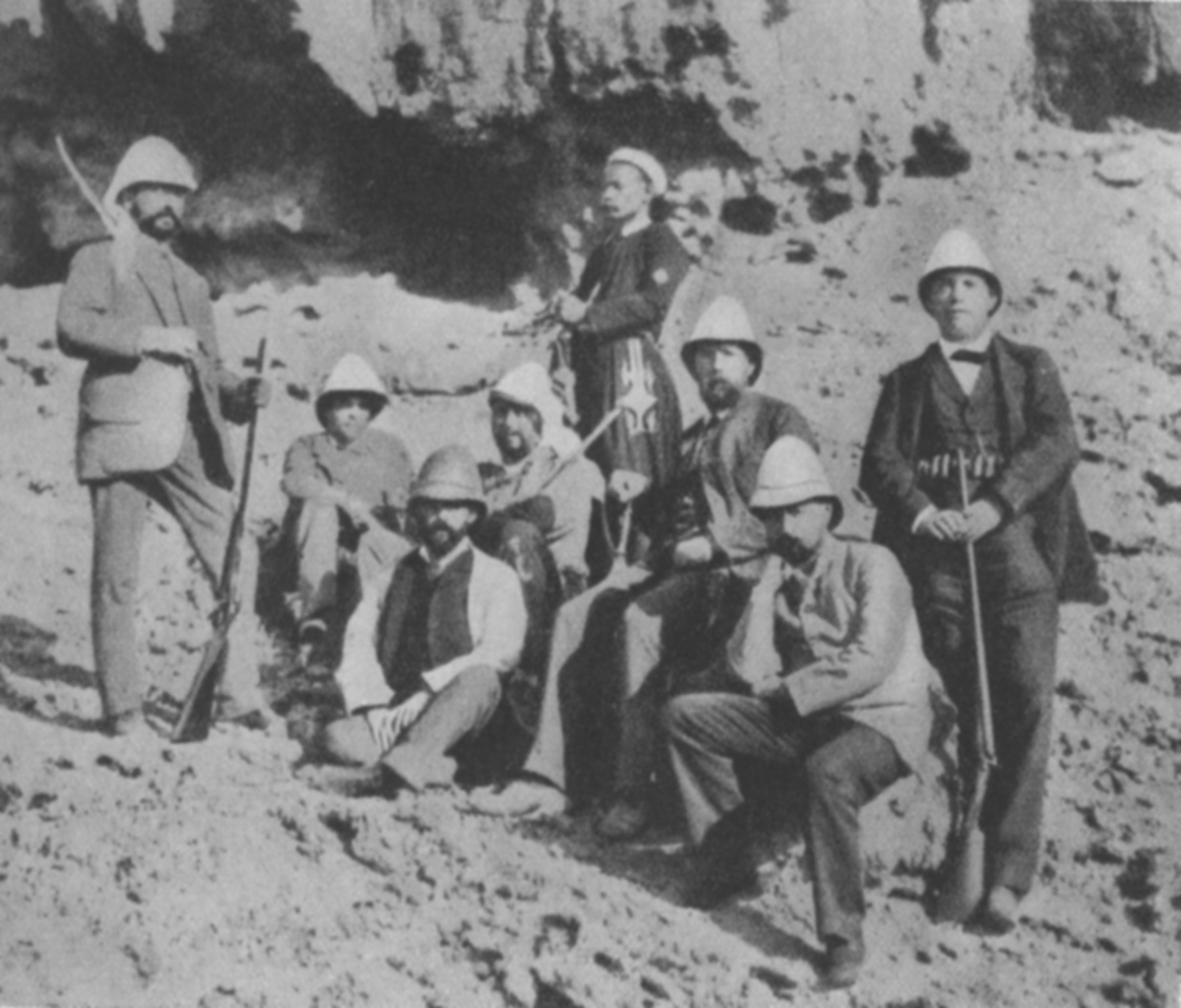
Koch's group discovers cholera pathogen
Kolkata, India
Epidemiology
Microbiology
Public Health
4 min read
Updated By: History Editorial Network (HEN)
Published:
Updated:
The discovery of the cholera pathogen by Koch's group marked a pivotal advancement in the field of bacteriology. This event was catalyzed by a cholera epidemic that emerged in Alexandria, Egypt, prompting medical investigations into the disease's cause. Two prominent medical missions were dispatched to address the crisis: one led by Louis Pasteur and the other by Robert Koch. Koch's team focused on isolating the causative agent of cholera, which was crucial for understanding the disease's transmission and developing effective treatments. Their research culminated in the identification of Vibrio cholerae, the bacterium responsible for cholera, which significantly enhanced the scientific community's comprehension of infectious diseases.
The impact of this discovery extended beyond the immediate context of the epidemic. By establishing a clear link between a specific pathogen and a disease, Koch's findings laid the groundwork for modern microbiology and public health initiatives. The identification of Vibrio cholerae not only facilitated the development of diagnostic methods but also informed strategies for cholera prevention and control. This breakthrough contributed to the establishment of Koch's postulates, a set of criteria for linking specific pathogens to specific diseases, which remains a cornerstone of infectious disease research. The work of Koch and his contemporaries ultimately transformed the approach to disease management and prevention, underscoring the importance of scientific inquiry in addressing public health challenges.
#mooflife
#MomentOfLife
#Koch
#Cholera
#VibrioCholerae
#Bacteriology
#PublicHealth
Primary Reference
Robert Koch

Explore the Life Moments of
 AI Twin