Establishment of Chiefdoms Across Hispaniola: Focus on Cacicazgo of Xaragua
Haiti
Cultural Heritage
4 min read
Updated By: History Editorial Network (HEN)
Published:
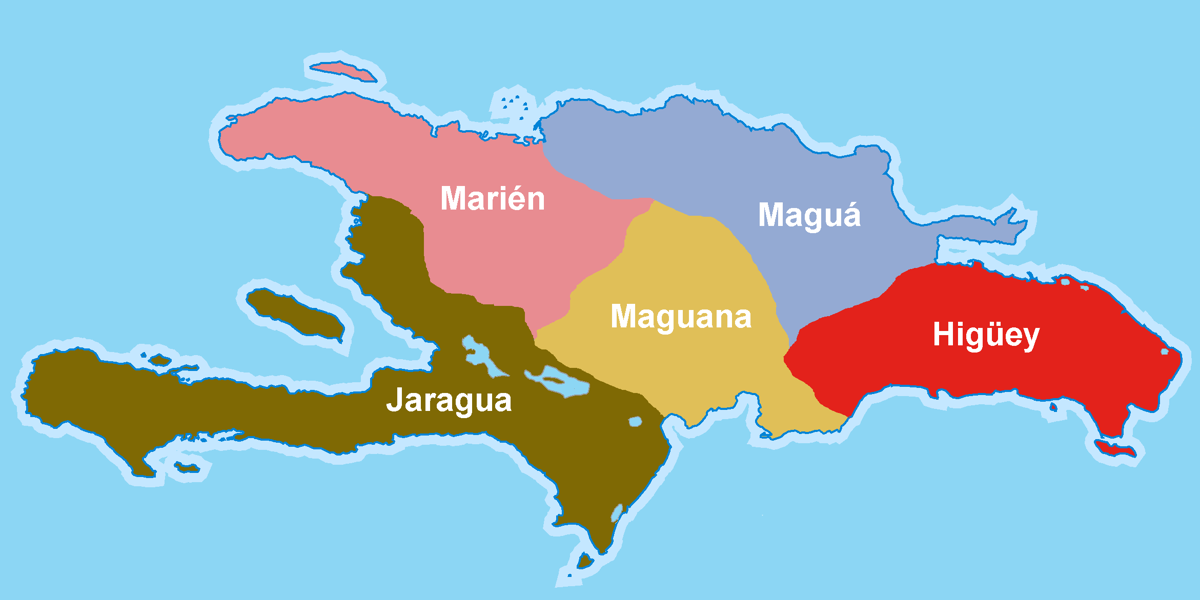
Chiefdoms emerged in Hispaniola in 1000, marking the landscape with structured societies. Among them was the Cacicazgo of Xaragua, situated in present-day Haiti. The establishment of these chiefdoms brought about a transformation in the social and political organization of the indigenous peoples inhabiting the island.
The rise of chiefdoms signified the development of hierarchical structures within the indigenous communities. Chiefs held authority over their territories and played crucial roles in decision-making processes, resource distribution, and conflict resolution. The Cacicazgo of Xaragua, in particular, thrived in the western region of Hispaniola, showcasing unique cultural practices and trading networks with neighboring chiefdoms.
The establishment of chiefdoms contributed to the overall diversity of the island's social fabric. Each chiefdom exhibited distinctive characteristics, from agricultural practices to religious beliefs, reflecting the rich tapestry of indigenous cultures in Hispaniola. Interactions between chiefdoms also fostered cultural exchange and trade, laying the groundwork for interconnected networks across the island.
The impact of the Cacicazgo of Xaragua and other chiefdoms reverberated throughout Hispaniola, shaping the dynamics of governance and societal interactions. These chiefdoms played vital roles in maintaining order, preserving traditions, and fostering community cohesion among the indigenous populations. Their legacy endures as a testament to the complex history and cultural heritage of Haiti.
#Chiefdoms #CacicazgoofXaragua #Hispaniola #IndigenousCommunities #CulturalHeritage #Haiti

Explore the Life Moments of
 AI Twin