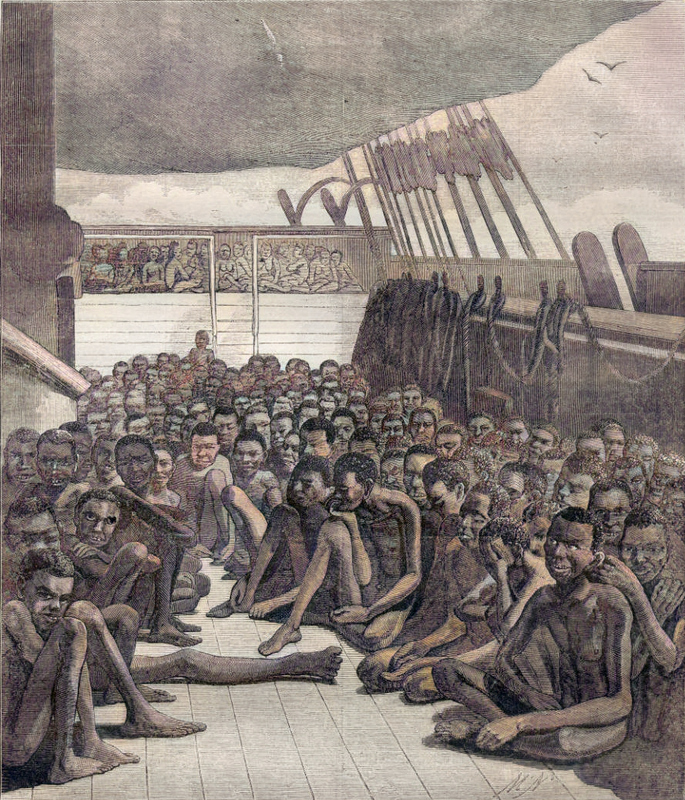
African slaves arrive in Hispaniola
Haiti
Colonial Haitian Culture
4 min read
Updated By: History Editorial Network (HEN)
Published:
In 1509, the arrival of African slaves to Hispaniola marked a pivotal moment in the island's history. The arrival of these slaves was a result of the growing demand for labor in the Spanish colonies, particularly in the flourishing sugar plantations. The native Taino population had suffered greatly due to diseases and harsh working conditions, leading to a need for alternative labor sources.
African slaves were forcibly brought to Hispaniola to work in the fields, mines, and households of the Spanish colonists. They were subjected to brutal living conditions, harsh treatment, and back-breaking labor. The transatlantic slave trade brought thousands of African men, women, and children to the island, where they endured unimaginable suffering and exploitation.
The arrival of African slaves had a profound impact on the demographic, social, and cultural landscape of Hispaniola. The African influence can be seen in various aspects of Haitian society today, including language, music, religion, and cuisine. The legacy of slavery continues to shape Haiti's complex history and identity, highlighting the resilience and strength of the Haitian people in the face of adversity.
The arrival of African slaves to Hispaniola underscores the dark chapter of human exploitation and serves as a somber reminder of the lasting repercussions of slavery. It is a story of resilience, resistance, and survival in the face of unimaginable hardship.
#AfricanSlaves #TransatlanticSlaveTrade #ColonialHistory #HaitianCulture

Explore the Life Moments of
 AI Twin