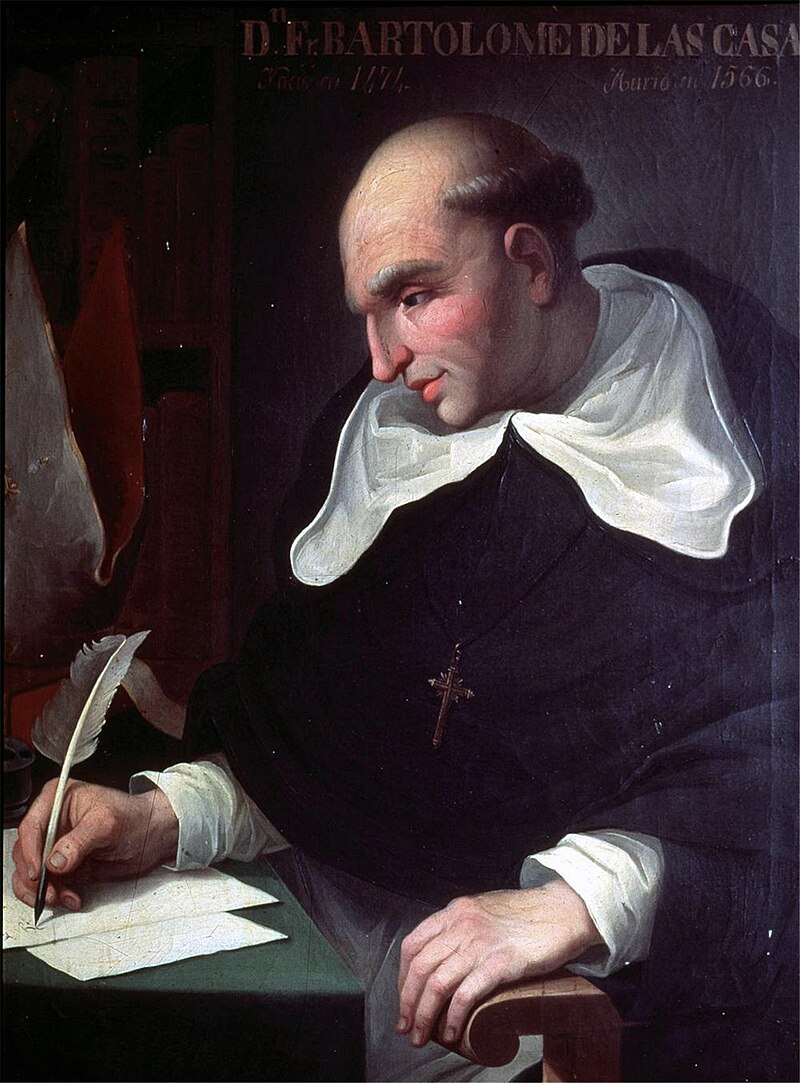
Arrival of Bartolome de las Casas: Critic of Indigenous Mistreatment
Haiti
Advocacy
Indigenous Rights
4 min read
Updated By: History Editorial Network (HEN)
Published:
In the early 1500s, Bartolome de las Casas, a Spanish friar and historian, arrived in Hispaniola, present-day Haiti. Witnessing the brutal mistreatment of indigenous peoples by Spanish colonizers, he became a vocal critic, advocating for the rights and dignity of the natives. Las Casas witnessed firsthand the atrocities committed in the name of colonization, including forced labor, violence, and disease that decimated the indigenous population.
His writings and speeches brought attention to the plight of the indigenous peoples, influencing the Spanish crown to enact laws to protect them. Las Casas was instrumental in the debate over the treatment of indigenous peoples, sparking discussions about ethics, morality, and the responsibilities of colonizers towards the native inhabitants of the lands they conquered.
Las Casas' advocacy marked a turning point in the treatment of indigenous peoples in the Caribbean and beyond, challenging the prevailing notion of their inferiority and the justification for their exploitation. His efforts laid the foundation for the development of international law regarding human rights and shaped future debates on colonization, slavery, and justice.
The arrival of Bartolome de las Casas in Hispaniola and his subsequent advocacy for the rights of indigenous peoples remain a crucial chapter in the history of Haiti and the broader Caribbean region. His legacy serves as a reminder of the ongoing struggle for justice, equality, and respect for all peoples, regardless of their background or origin.
#BartolomeDeLasCasas #IndigenousRights #Colonialism #HumanRights #HistoricalAdvocacy #CaribbeanHistory #EthicalDebates #Justice #Equality #Haiti.

Explore the Life Moments of
 AI Twin