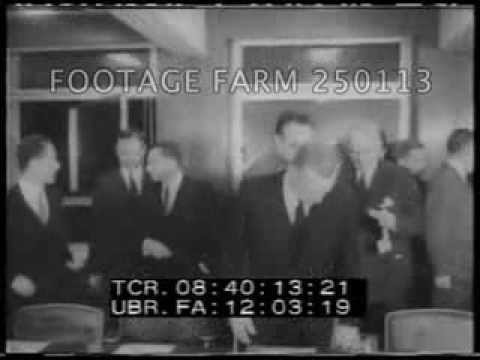
Charles de Gaulle's veto on UK's entry into the European Economic Community.
Brussels, Belgium
Political
European Integration
3 min read
Updated By: History Editorial Network (HEN)
Published:
In 1963, Charles de Gaulle, then President of France, vetoed the United Kingdom's entry into the European Economic Community (EEC). De Gaulle was apprehensive about the UK's close ties with the United States and saw its entry as a potential threat to French dominance within the EEC. Despite the UK's strong economy and strategic importance, de Gaulle believed that their membership would undermine the EEC's vision and integration.
The veto had a profound impact on both the UK and the EEC. It strained diplomatic relations between the two countries and left the UK seeking alternative paths for economic cooperation. The move also highlighted the complexities of decision-making within the EEC and the significant influence of member states' leaders on its direction.
De Gaulle's decision to block the UK's entry reshaped the trajectory of European integration and laid bare the challenges of balancing national interests within a supranational organization. It underscored the importance of political dynamics and individual leaders in shaping the future of the European project.
#CharlesdeGaulle #UKentryveto #EuropeanIntegration #DiplomaticRelations #EEC #SupranationalOrganization
Explore the Life Moments of
 AI Twin