The City of Brasília: Purpose-built Brazilian Capital
Brazil

Urban Planning
Modernization
3 min read
Updated By: History Editorial Network (HEN)
Published:
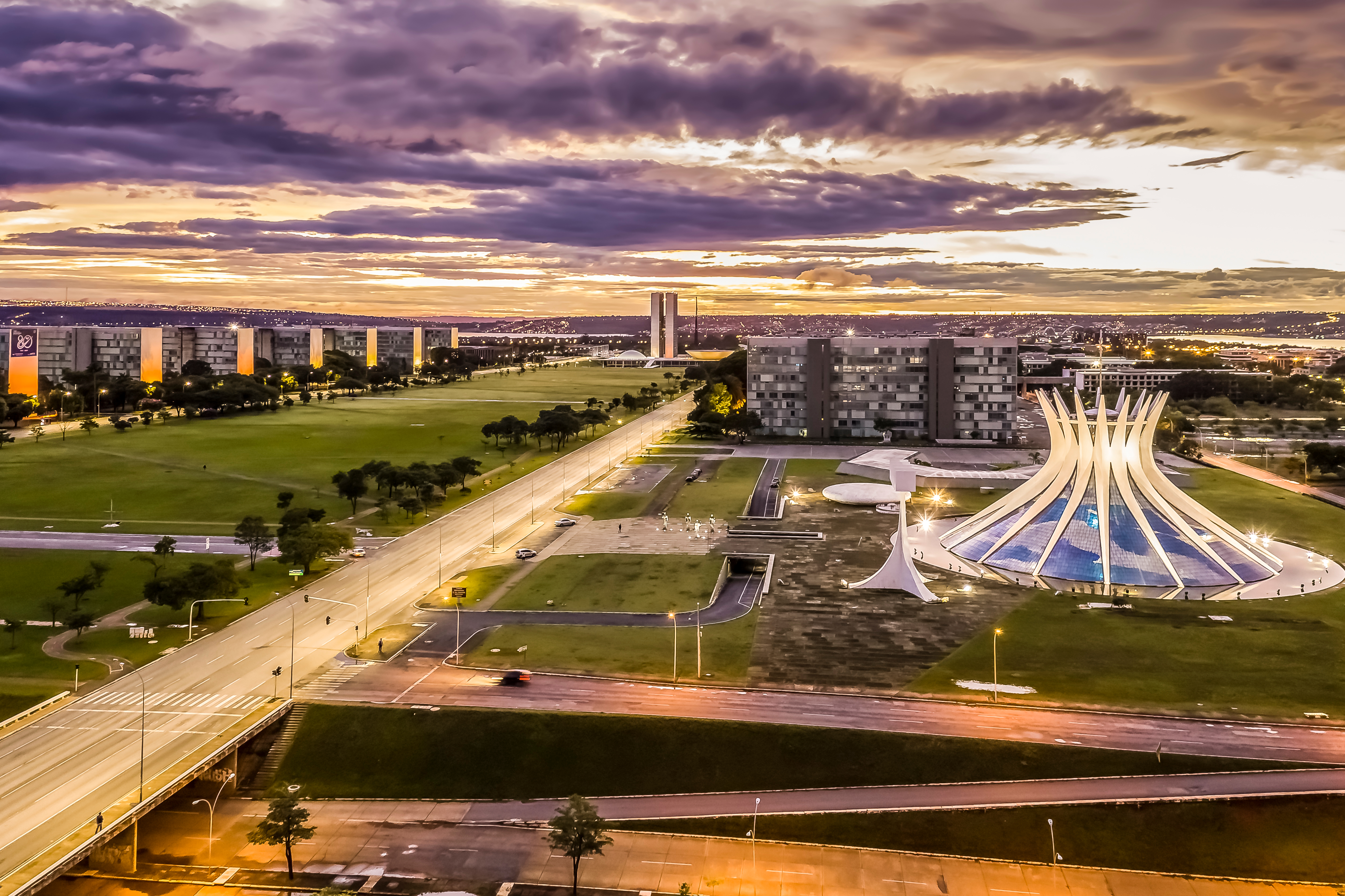
Brasília, the purpose-built capital of Brazil, was established to promote internal development and shift the focus from coastal cities. The visionary Juscelino Kubitschek spearheaded the ambitious project to construct a modern, centrally located capital in the heart of the country. The renowned architect Oscar Niemeyer and urban planner Lúcio Costa collaborated to design the city, known for its futuristic architecture and innovative urban planning.
The founding of Brasília had a profound impact on Brazil, symbolizing progress, unity, and national identity. The city's inauguration marked a milestone in Brazil's history, showcasing the country's commitment to innovation and modernization. The relocation of the capital from Rio de Janeiro to Brasília aimed to decentralize power and promote equal development across the nation.
With its distinctive layout resembling an airplane, Brasília became a UNESCO World Heritage Site in recognition of its architectural and urbanistic significance. The city's monumental buildings, such as the National Congress and the Cathedral of Brasília, attract tourists and architecture enthusiasts from around the world.
Brasília stands as a testament to Brazil's ability to envision and execute grand projects that shape the nation's identity and future trajectory. The city continues to serve as a political, cultural, and economic hub, embodying the spirit of unity and progress in Brazil. #Brasília #Brazil #UrbanPlanning #Modernization

Explore the Life Moments of
 AI Twin