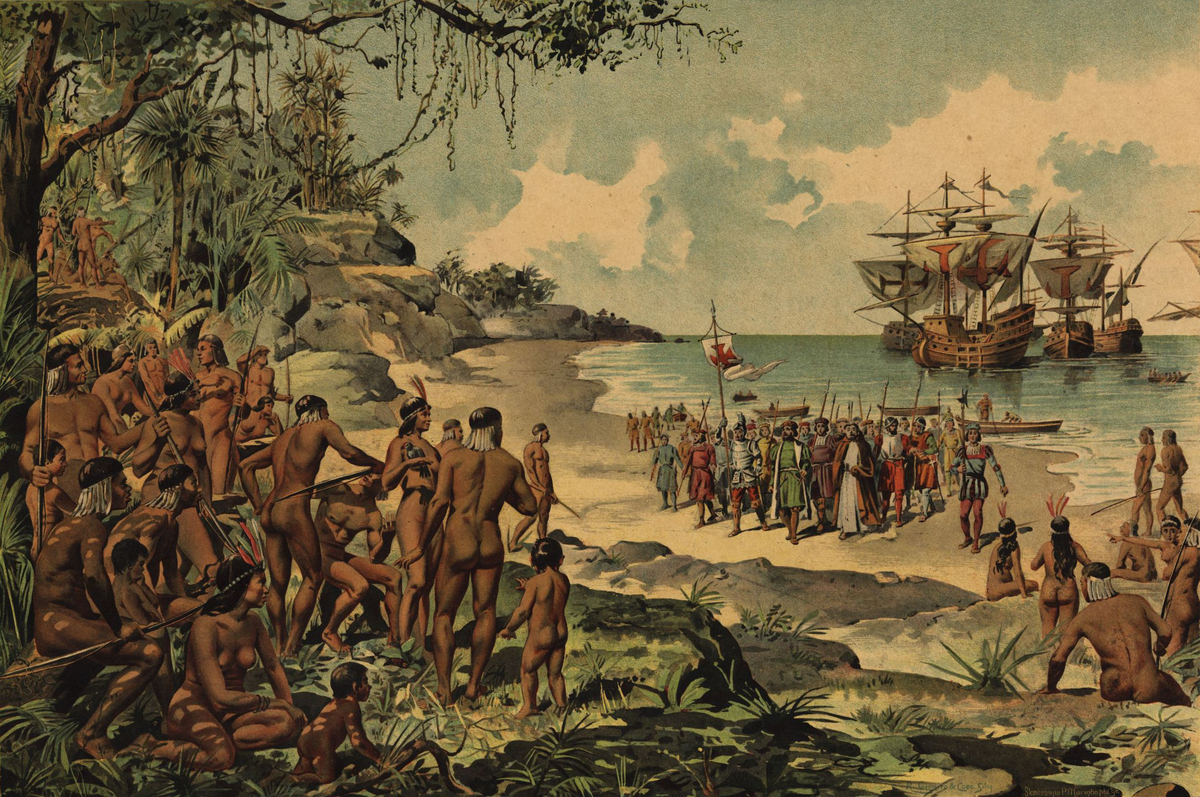
Portuguese Colonization in the Amazon
Brazil

Environmental
3 min read
Updated By: History Editorial Network (HEN)
Published:
Portuguese expansion into the Amazon region began in 1621, as part of the larger efforts to colonize and exploit resources in the newly discovered lands. This initiative aimed to establish control over the vast expanse of the Amazon rainforest, known for its rich biodiversity and resources. It involved the construction of forts and settlements along the Amazon River, enabling the Portuguese to assert their presence in the region.
The colonization of the Amazon by the Portuguese had a profound impact on the indigenous populations and the environment. The local tribes faced exploitation, enslavement, and disease brought by the colonizers. The ecosystem also suffered from deforestation, resource extraction, and changes in land use. This marked the beginning of a long history of conflict and environmental degradation in the Amazon region.
Despite the challenges and controversies surrounding the Portuguese colonization, it laid the foundation for the shaping of Brazil's borders, demographics, and cultural landscape. The legacy of this period continues to be felt in modern-day Brazil, where the Amazon remains a focal point of debate and conservation efforts. #PortugueseColonization #AmazonRegion #IndigenousImpact #EnvironmentalLegacy

Explore the Life Moments of
 AI Twin