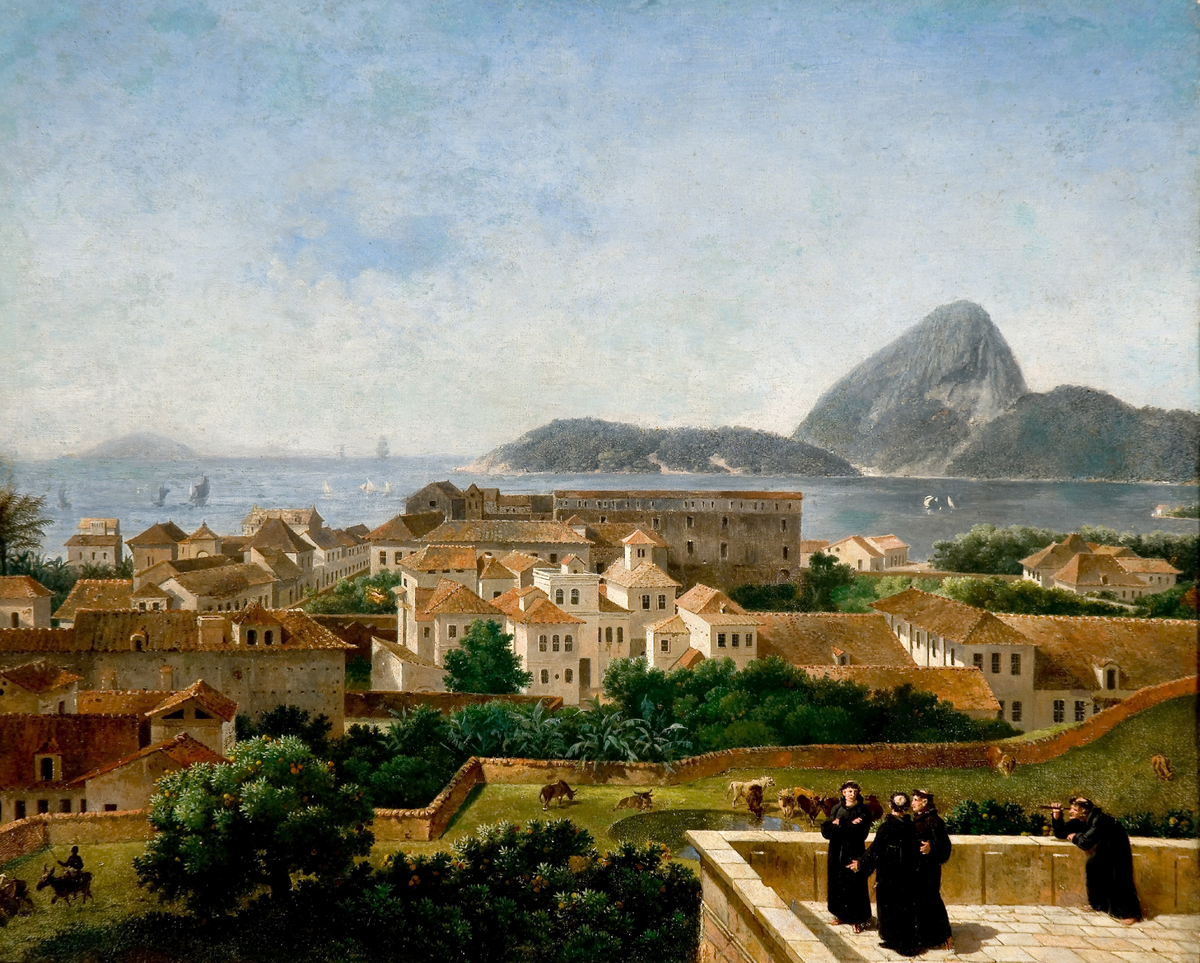
Colonial Capital Shift: Salvador to Rio de Janeiro
Brazil
Political
3 min read
Updated By: History Editorial Network (HEN)
Published:
Following years of political turmoil and instability in Brazil, a significant shift occurred as the colonial capital was moved from Salvador to Rio de Janeiro. This transfer marked a pivotal moment in the country's history, signifying a change in the center of political power.
The decision to relocate the capital was influenced by various factors, including strategic geographical considerations and efforts to consolidate control over the vast Brazilian territory. Rio de Janeiro's more central location and better accessibility to other regions made it a more suitable choice for governing the colonies effectively.
The transfer of the colonial capital had far-reaching implications for Brazil. It bolstered Rio de Janeiro's importance as a political and economic hub, attracting a wave of development and investment to the city. The shift also had social repercussions, as the local population experienced a shift in demographics and cultural dynamics.
Ultimately, the move of the colonial capital from Salvador to Rio de Janeiro reshaped the political landscape of Brazil, solidifying the latter's position as a primary seat of power in the region. It symbolized a new chapter in the country's history, laying the foundation for its future growth and development.
#BrazilianHistory #PoliticalPowerShift #ColonialCapitalTransfer

Explore the Life Moments of
 AI Twin