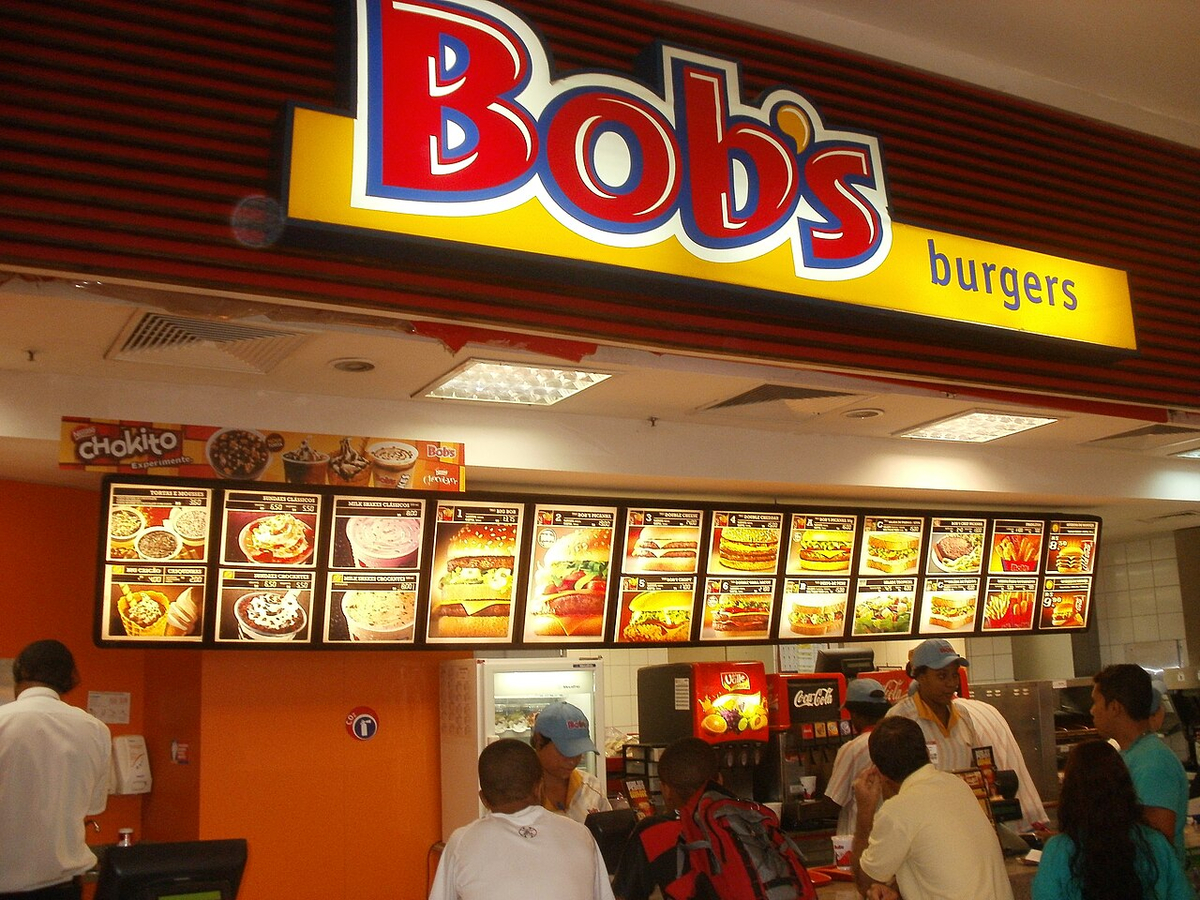
Bob's, Brazil's first fast food chain, opens in Rio de Janeiro
Brazil
9 min read
Updated By: History Editorial Network (HEN)
Published:
In 1952, Brazil saw the opening of its first fast food chain, Bob's, in Rio de Janeiro. This event marked a significant milestone in the country’s culinary and cultural landscape, introducing a new dining concept that would eventually become a staple in Brazilian society.
The Birth of Bob's
Bob's was founded by Robert Falkenburg, an American tennis player who won the Wimbledon Championships in 1948 and 1949. Falkenburg had a vision of bringing American-style fast food to Brazil, inspired by the success of similar establishments in the United States. Recognizing the potential market for quick, affordable, and tasty meals, he decided to introduce this novel dining experience to Brazilians.
The first Bob's restaurant opened its doors in Copacabana, one of Rio de Janeiro’s most iconic neighborhoods. The location was strategically chosen to attract both locals and tourists frequenting the famous beach.
Menu and Concept
Bob's offered a menu that was quite different from the traditional Brazilian fare. The restaurant featured American-style hamburgers, milkshakes, and fries, items that were relatively unknown to the Brazilian palate at the time. This unique menu quickly garnered attention and curiosity, drawing customers eager to try something new.
One of the signature items was the "Bob's Burger," which became immensely popular and helped establish the brand’s reputation. The fast food concept, emphasizing speed, convenience, and consistency, was also a fresh idea that resonated well with the busy lifestyles of urban Brazilians.
Expansion and Influence
The success of the initial Bob's outlet in Copacabana led to the opening of more branches across Rio de Janeiro and eventually throughout Brazil. Bob's growth was facilitated by the increasing urbanization and modernization of Brazilian cities during the mid-20th century. As more people moved to urban centers and adopted faster-paced lifestyles, the demand for quick and convenient dining options grew.
Bob's also played a role in shaping the fast food industry in Brazil. It introduced operational practices and marketing strategies that were innovative for the time. The chain's success demonstrated the viability of the fast food business model in Brazil, paving the way for other international and local fast food brands to enter the market.
Cultural Impact
Bob's introduction of fast food had a lasting cultural impact on Brazil. It changed dining habits and popularized a new kind of eating experience. The idea of grabbing a quick meal on the go or enjoying a casual bite with friends became ingrained in Brazilian society, especially among the younger generation.
Moreover, Bob's became more than just a place to eat; it was a symbol of modernity and cosmopolitanism. The brand’s American roots and stylish, contemporary ambiance appealed to many Brazilians, who associated it with a modern, progressive lifestyle.
Challenges and Adaptations
Over the decades, Bob's faced various challenges, including increased competition from both local and international fast food chains, such as McDonald's and Burger King. To remain competitive, Bob's continuously adapted its menu and business strategies. The chain introduced localized menu items to cater to Brazilian tastes and preferences, such as adding tropical fruits to its milkshakes and offering regional dishes alongside its classic offerings.
Bob's also invested in technological advancements, adopting online ordering systems and modernizing its outlets to improve customer experience. These adaptations helped the brand maintain its relevance in a rapidly changing market.
Legacy
Today, Bob's is a well-established and beloved fast food chain in Brazil, with hundreds of locations across the country. It remains a significant player in the Brazilian fast food industry, known for its quality, innovation, and commitment to customer satisfaction.
The opening of Bob's in 1952 was a pioneering moment in Brazil's culinary history. It introduced a new dining concept that transformed eating habits and influenced the development of the fast food industry in the country. Bob's legacy continues to be felt today, as it remains a cherished part of Brazil’s gastronomic landscape.
#BobsBrazil #FastFood #BrazilianHistory #CulinaryInnovation #1952 #RioDeJaneiro #CulturalImpact #ModernDining #RobertFalkenburg #MomentsOfLife #MoofLife_Moment #MoofLife

Explore the Life Moments of
 AI Twin