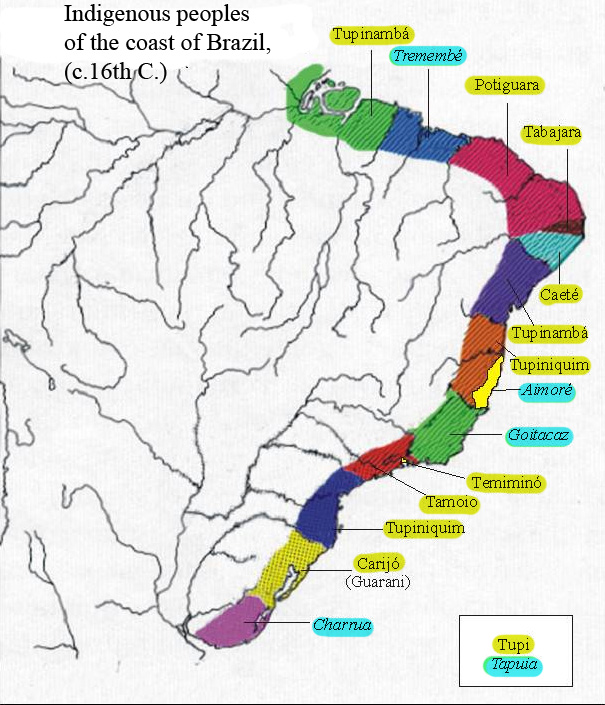
Native Tapuia Confederation Formed Against Portuguese Colonialism
Brazil
Political
3 min read
Updated By: History Editorial Network (HEN)
Published:
Native tribes in Brazil united to form the Tapuia Confederation, resisting Portuguese colonization efforts. The Confederation comprised various indigenous groups, including the Potiguar, Caicó, and Cariri peoples, jointly defending their territories and autonomy. The alliance strategically countered the encroaching Portuguese forces, impeding their expansion into indigenous lands and preserving native sovereignty.
The establishment of the Tapuia Confederation had a significant impact on the region, leading to intensified resistance against colonial intrusion. The unified front presented by the indigenous tribes posed a formidable challenge to Portuguese attempts at conquest, demonstrating the strength of indigenous solidarity in the face of external threats. The Confederation's collective defense efforts helped safeguard indigenous cultures, traditions, and territories from the destabilizing effects of colonization.
This historic event exemplifies the indigenous resistance against European colonization in Brazil, showcasing the resilience and determination of native peoples to protect their way of life. The Tapuia Confederation stands as a symbol of indigenous unity and defiance, inspiring generations to come in the ongoing struggle for indigenous rights and recognition. #TapuiaConfederation #IndigenousResistance #PortugueseColonization #BrazilianHistory.

Explore the Life Moments of
 AI Twin