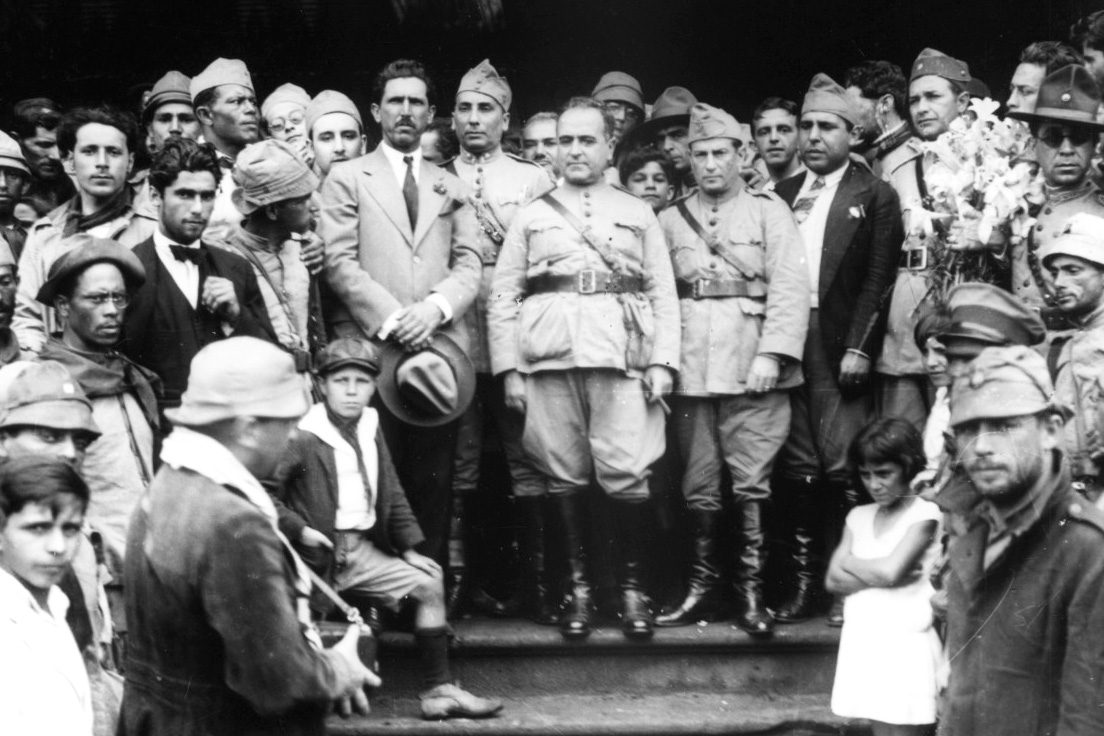
Brazilian Revolution 1930
Brazil

Political
3 min read
Updated By: History Editorial Network (HEN)
Published:
In 1930, Brazil underwent a significant political shift known as the Brazilian Revolution. Fueled by widespread discontent with the ruling oligarchy, the revolution saw Getulio Vargas rise to power. Vargas, a charismatic leader, implemented reforms aimed at modernizing the country and improving the lives of the working class.
The revolution marked a departure from the traditional power structures in Brazil, ushering in a period of increased centralization and state intervention in the economy. Vargas' government focused on industrialization, labor rights, and social welfare programs, laying the foundation for Brazil's development in the 20th century.
The impact of the Brazilian Revolution was profound, shaping the country's political and economic landscape for decades to come. Vargas' legacy is still felt in Brazil today, with many of the policies he implemented during his time in power continuing to influence the country's governance.
#BrazilianRevolution #GetulioVargas #PoliticalShift

Explore the Life Moments of
 AI Twin