Einstein's Transition to Berlin: Impact on Science and Society
German
Science
Academic
3 min read
Updated By: History Editorial Network (HEN)
Published:
Updated:
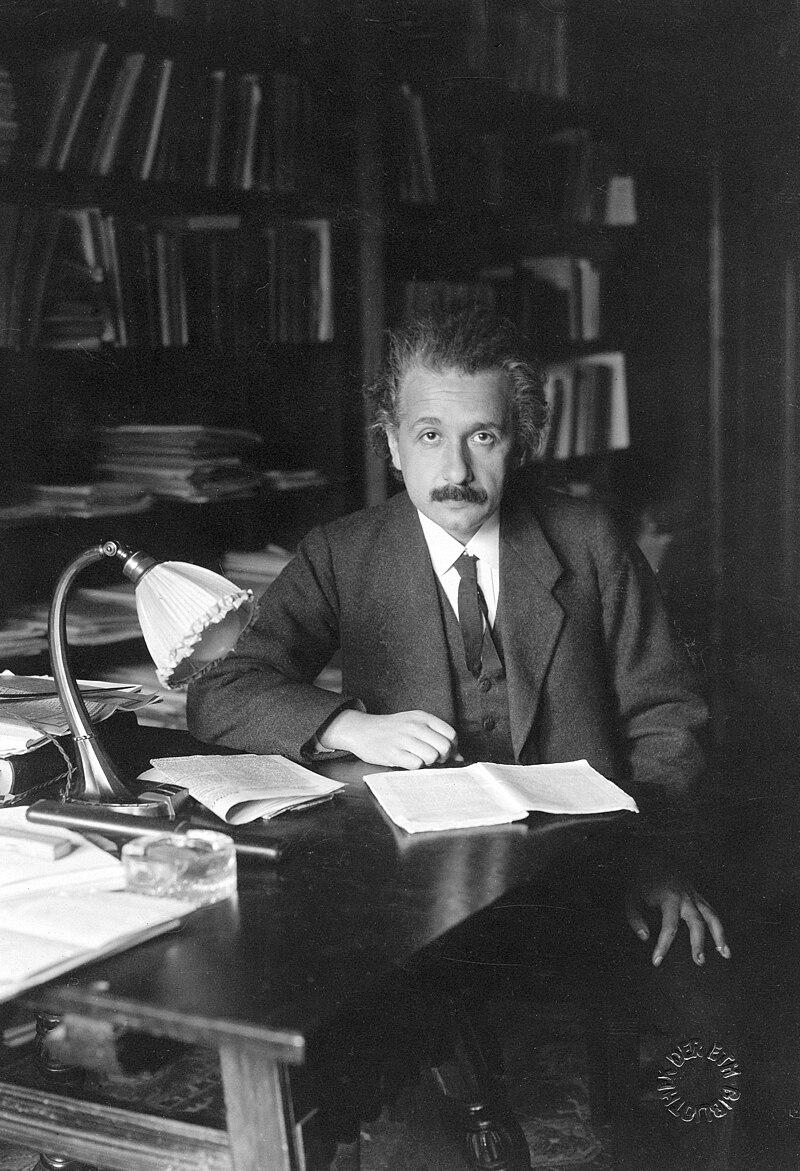
Albert Einstein relocated to Berlin to assume his new role at Humboldt University. This move marked an important transition in his career, placing him at one of the most prestigious academic institutions of the time. Humboldt University, known for its influential contributions to science and humanities, provided Einstein with a substantial platform for his research.
Einstein's tenure at Humboldt University began during a period of significant scientific discovery. Berlin, a burgeoning center for scientific thought and innovation, offered numerous opportunities for collaboration with leading scientists. One key reason behind Einstein’s move was the attractive offer which included membership of the Prussian Academy of Sciences, facilitating greater focus on theoretical physics without the burden of teaching duties. His contributions to the field of physics, including his work on the theory of relativity and the photoelectric effect, gained further recognition and enhanced the scientific community’s understanding of the universe.
The impact of Einstein’s relocation to Berlin extended beyond academic circles. It influenced the broader public’s perception of science and its role in society. His research at Humboldt University bolstered Germany’s position at the forefront of scientific inquiry, aligning with the era’s drive for knowledge and technological advancement.
#AlbertEinstein #HumboldtUniversity #Berlin #ScientificResearch #Physics #MoofLife
Explore the Life Moments of
 AI Twin