Einstein's Regretful Decision: Impact of Atomic Bomb Letter on Global Affairs
German
Science
Political
5 min read
Updated By: History Editorial Network (HEN)
Published:
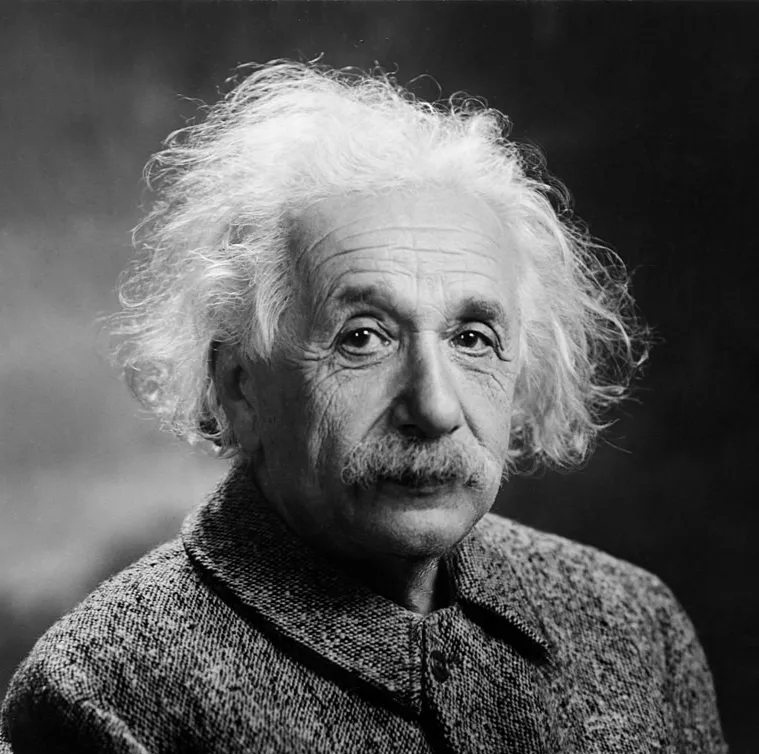
Albert Einstein, reflecting on his decision to sign a letter addressed to President Franklin D. Roosevelt, felt a deep sense of regret. The letter, which he had co-signed with physicist Leo Szilard and other scientists, had urged the U.S. government to accelerate its atomic bomb research, fearing that Nazi Germany was developing similar capabilities.
Einstein's recommendation was based solely on the potential threat posed by Nazi Germany. The letter catalyzed the inception of the Manhattan Project, a top-secret government program that ultimately led to the creation of the atomic bombs dropped on Hiroshima and Nagasaki. The bombs caused immense devastation and loss of life, marking a profound ethical dilemma for Einstein who was a pacifist by nature.
The impact of the letter's influence on nuclear research was enormous. The Manhattan Project, which employed over 130,000 people and cost nearly $2 billion at the time (approximately $24 billion inflation-adjusted), was a technical and scientific undertaking with vast geopolitical ramifications.
Despite the eventual defeat of Nazi Germany before these weapons were used, the existence and horrific use of atomic bombs in warfare had far-reaching consequences on global politics, military strategy, and international relations. Einstein's realization of these outcomes led to his intensified efforts toward nuclear disarmament and global peace.
Einstein's reflections underline the perennial tension between scientific discovery and its ethical implications. His support for the letter was driven by uncertainty and the fear of a nuclear-armed fascist regime. In retrospect, he viewed his advocacy as a significant misjudgment, prompting him to spend his later years advocating against the proliferation of nuclear weapons.
His regret highlights the unintended consequences of scientific endeavors when removed from their broader ethical contexts. This realization shaped his subsequent contributions toward promoting responsible scientific practices.
#MoofLife #Einstein #EthicsInScience #AtomicAge #NuclearDisarmament #ScientificResponsibility #WorldWarII
Explore the Life Moments of
 AI Twin